The margin between success and failure in medical procedures can be microscopically small, and every millimetre matters. Within this demanding space, guidewire technology plays a vital role, providing clinicians with the delicate balance of control, flexibility, and strength required to navigate complex anatomical pathways.
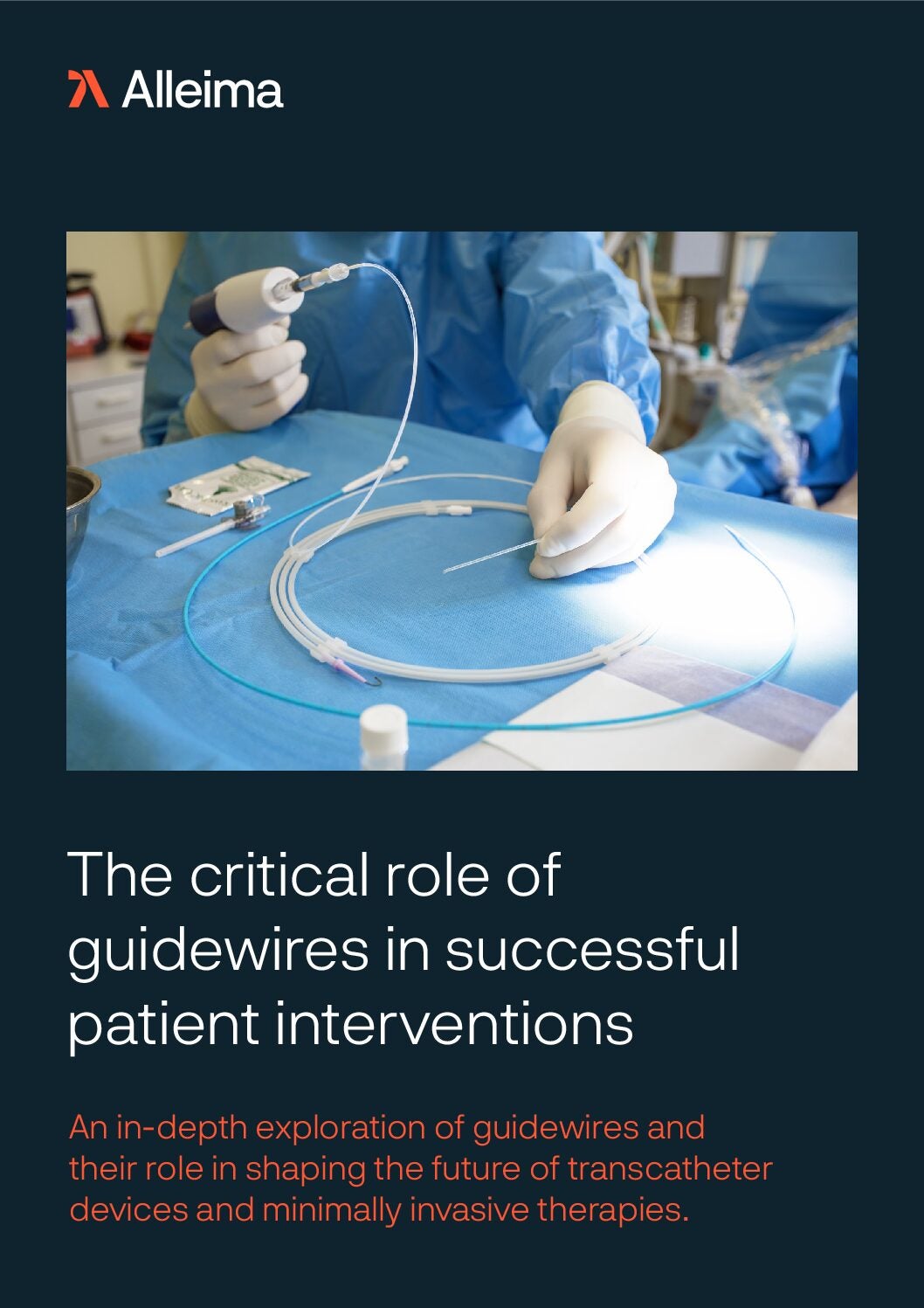
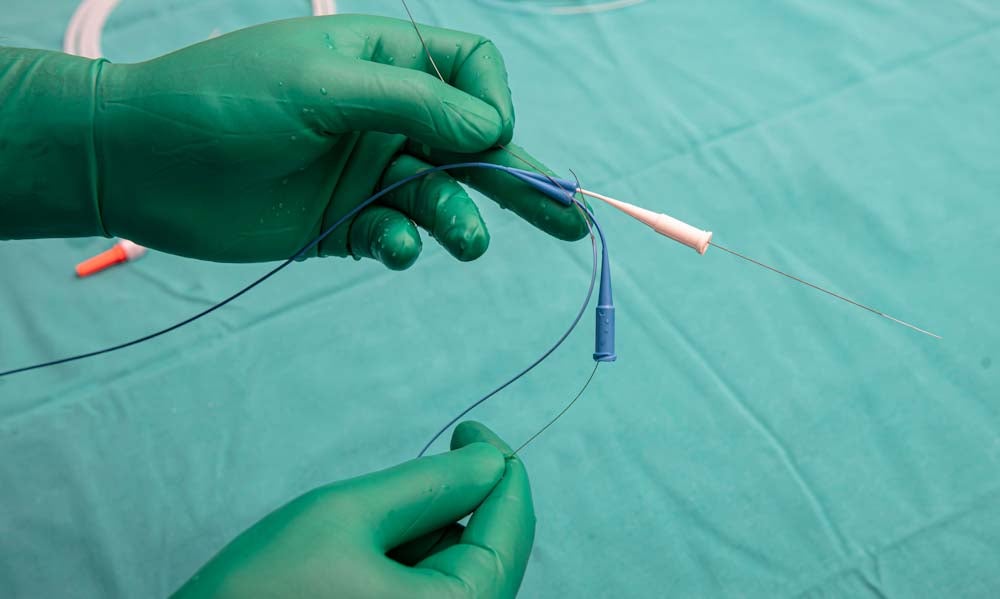
Guidewires are slim, highly flexible wires designed to guide medical devices such as catheters into place during procedures ranging from cardiac interventions to minimally invasive surgeries. Their innovative design and functionality enable surgeons and interventional specialists to access difficult-to-reach areas within the body with exceptional precision, greatly reducing patient risk and enhancing procedural outcomes. Recent advancements in guidewire technology, metallurgy, and manufacturing have transformed medical procedures, making them safer, more cost-effective, and reducing recovery times.
GlobalData currently predicts that the transcatheter accessories market, which includes guidewires, will be worth $24.8bn by 2034, growing at a compound annual growth rate (CAGR) of 4.70%.
The versatility of guidewires extends far beyond cardiac interventions; they are indispensable in neurosurgical procedures, where precision is paramount to avoid damage to delicate neural tissue. In urology, guidewires facilitate the navigation of complex anatomical pathways, allowing for the effective treatment of conditions such as kidney stones and urinary tract obstructions. Furthermore, their applications in interventional radiology, vascular surgery, and robotic-assisted procedures underscore their critical role in modern healthcare. This broad range of uses exemplifies the importance of continuous innovation in guidewire design and manufacturing to meet the diverse requirements of medical device companies and clinicians alike.
Advances in guidewire technology in medical applications
One example of the benefits of advanced guidewire technology is angioplasty, a procedure for the treatment of blocked arteries. Traditionally, these procedures were major surgeries involving considerable risk, prolonged recovery, and significant discomfort for patients.
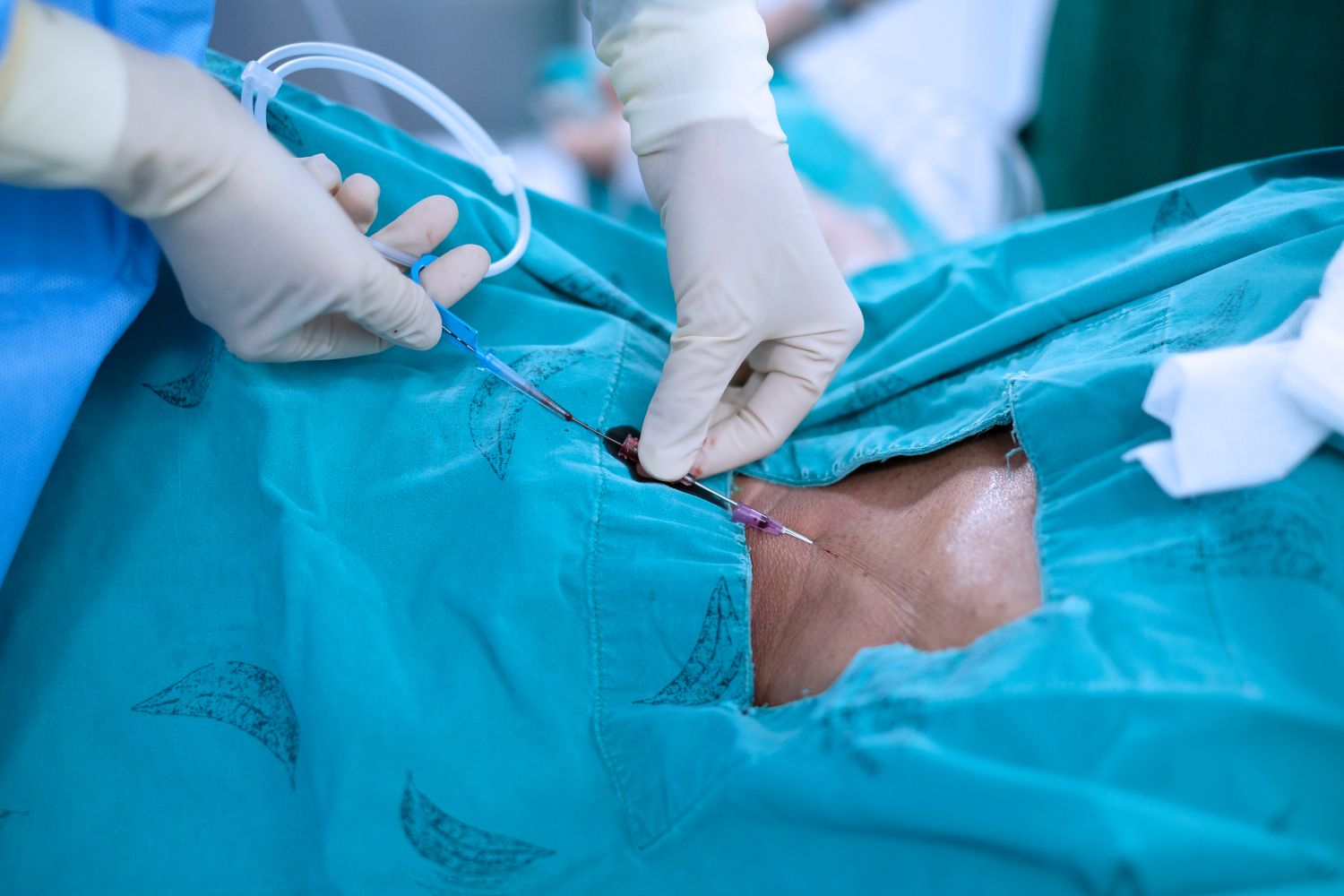
However, thanks to the evolution of guidewire technology, angioplasties are now predominantly minimally invasive. Cardiologists thread guidewires through arteries to reach and unblock narrow or obstructed blood vessels, reducing the trauma associated with open surgery. Patients benefit from shorter recovery times, fewer complications, and considerably lower healthcare costs.
Guidewires are also crucial for precisely guiding medical devices in various minimally-invasive procedures. They ensure accurate navigation of ablation catheters, for instance in treating arrhythmias and help place implants like cardiac stents, occluders or interatrial shunts reducing misplacement risks.
Further exciting avenues include pressure-sensitive guidewires, which can measure intravascular pressure directly and allow cardiologists to assess the severity of arterial blockages instantaneously during procedures. This precision has notably improved the decision-making process in coronary interventions, ensuring only necessary treatments are performed, which enhances patient safety and outcomes.
Advancements in metallurgy have helped make guidewires more resistant to fatigue and corrosion while improving malleability. Guidewires made from nitinol have multiple advantages over traditional devices made from stainless steel, including excellent shape memory and superelasticity that optimise the implants’ performance.
Another innovation in guidewire technology is the steerable guidewire. Surgeons are now able to manipulate the tip of the guidewire remotely, allowing unprecedented directional control within the body. Such control is invaluable in delicate neurological procedures, where precision must be absolute to avoid damage. Coupled with this development are micro-guidewires, specially designed for neurosurgical interventions. Micro-guidewires are designed to be smaller than those used for coronary procedures as the anatomical pathways they need to navigate are even more specific. These innovations have expanded possibilities within interventional radiology, vascular surgery, and urology, paving the way for complex treatments previously considered too risky or outright impossible.
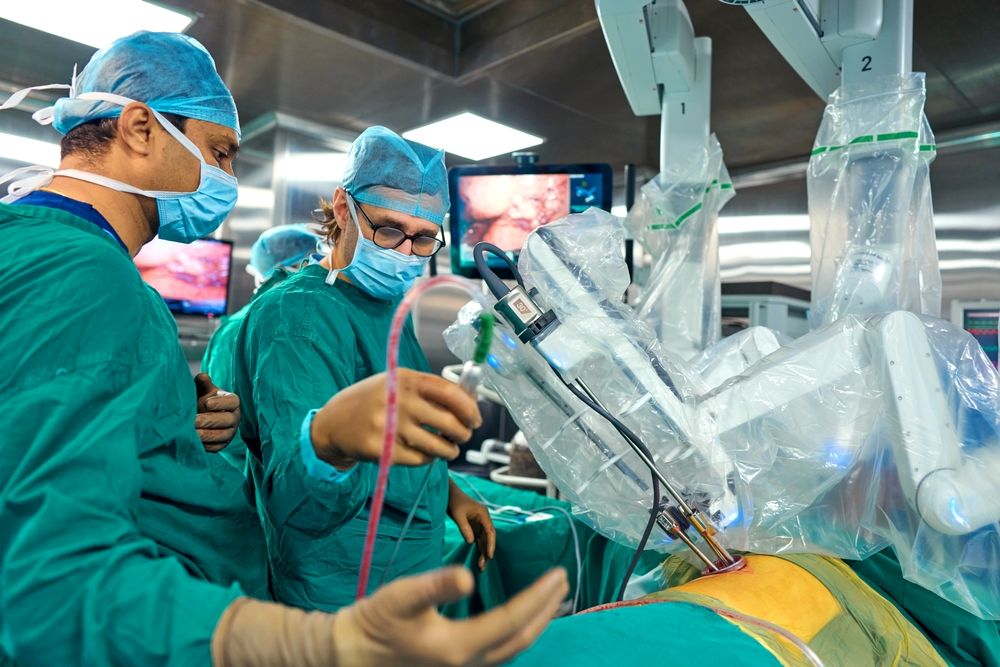
Moreover, the rise of robotics in medicine has further elevated the potential of guidewire technology. Robotic-assisted procedures harness the precision and consistency of guidewires, offering surgeons augmented control. The integration of guidewires with robotic systems can significantly enhance procedural accuracy, reduce radiation exposure for clinicians, and further diminish patient risk.
Guidewire manufacturing for medical devices
Guidewire manufacturing is a specialised field that requires a combination of advanced engineering, material science, and rigorous quality control. The manufacturing process begins with selecting suitable raw materials, typically stainless steel, nitinol, or various polymer-coated metals, which provide distinct characteristics essential for guidewire functionality, such as flexibility, strength, and biocompatibility. These raw materials undergo precise drawing techniques to achieve exact diameters and tensile strengths required for navigating complex anatomical pathways with precision.
Following the drawing process, guidewires undergo critical heat treatments that further refine their mechanical properties, including flexibility, strength, and torque responsiveness. Heat treatment allows manufacturers to fine-tune the balance between rigidity and elasticity, essential for guidewires to navigate intricate pathways without compromising their structural integrity. Grinding operations further enhance precision, moulding guidewires so they have a smaller diameter at a tip that gradually increases in size.
Surface treatment is another crucial aspect of guidewire manufacturing. Advanced coating technologies are employed to enhance manoeuvrability, reduce friction, and ensure safety within delicate biological environments. Hydrophilic coatings, activated upon contact with bodily fluids, make guidewires exceptionally slippery, significantly improving their navigational capabilities through narrow vessels and reducing potential trauma to patient tissues. Coatings of this kind enable precise control over the thickness of the guidewire, while ensuring the core wire remains protected against damage during surgery.
Manufacturers may also integrate radiopaque markers within guidewires, essential for visual tracking during medical procedures. These markers, highly visible under imaging techniques like fluoroscopy or X-ray, allow clinicians real-time oversight and control, reducing procedural risks and improving patient outcomes. Additionally, guidewires must be compatible with any other devices, such as catheters, used during surgery. Manufacturing these essential and highly precise devices to a top standard requires significant expertise from trusted industry partner.
Material precision from expert partners
Offering unparalleled vertical integration that covers every stage, from initial design to advanced development and precision manufacturing, Alleima’s expertise in nitinol processing and comprehensive approach to engineering ensures seamless collaboration and innovation, delivering customised solutions tailored to meet the most demanding requirements of medical applications.
Alleima leverages its extensive expertise in advanced metallurgy and state-of-the-art manufacturing technologies to deliver exceptional solutions in guidewire development. Its capabilities are bolstered by its seamless end-to-end support from initial concept to final implementation. This comprehensive approach ensures precision, reliability, and innovation at every stage of the process.
In addition to its vast portfolio of over 200 medical-grade alloys, Alleima offers a standard range of high-performance guidewires tailored to meet diverse medical requirements. The acquisition of Endox in 2024 further expanded Alleima’s capabilities, adding advanced extrusion and laser technologies to its repertoire. These added competencies enable the design and manufacturing of highly customised guidewire solutions, ensuring optimal performance and quality for the most demanding applications.
To find out more, download the whitepaper below or visit the Alleima website.