Tense geopolitics continues to define the macroeconomic operating environment for every sector, including medical devices. Navigating policy and regulatory obstacles is a key aspect of doing business and so it becomes more important for OEMs to focus on innovation, making the right investment decisions and supplier partnerships that can support them to win in changing market conditions.
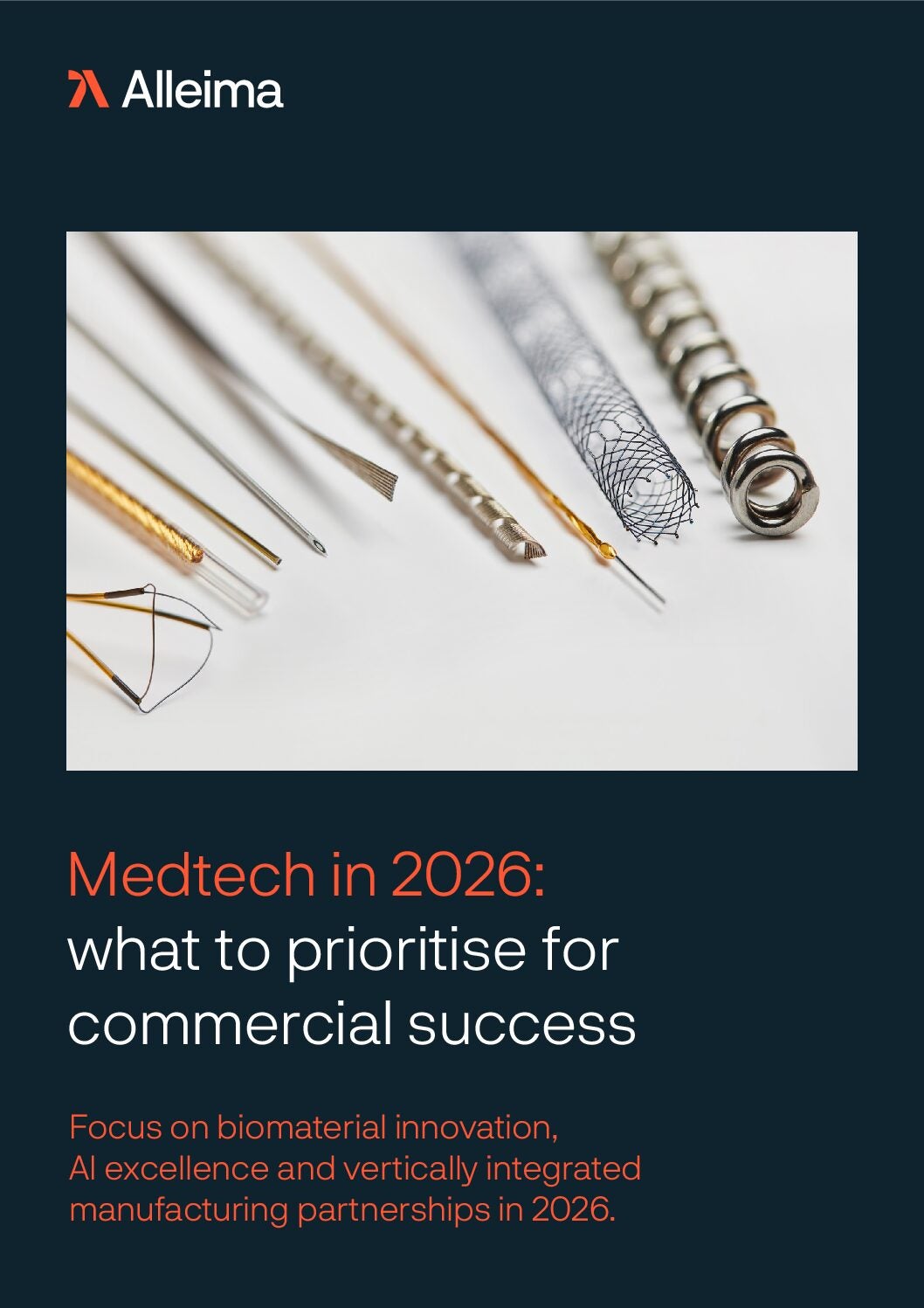
Alleima’s Medtech in 2026 report explores the shifting sands in the medical devices supply chain and what to prioritise in manufacturing to ensure long-term competitiveness.
Smaller, smarter devices redefining clinical performance
The report says that in 2026, medical device innovation is defined by the ability to deliver increasingly complex performance from small, precise, and integrated components.
High-precision interventions reduce trauma, shorten recovery times, and improve patient outcomes. Advances in imaging, miniaturised electronics, novel biomaterials, and robotic assistance are enabling an increasing number of complex procedures to be performed through catheters, endoscopes and implantable devices.
Device architectures are becoming smaller, more intelligent, and more connected and so performance is determined by material behaviour at the microscopic level and by the ability of supply chains to deliver consistency, traceability, and co-engineered innovation from concept through commercialisation.
According to Kevin Benz, strategic marketing manager at Alleima’s medical business unit, neurostimulation, pulsed field ablation (PFA) and interventional cardiology are at the forefront of innovation and adoption of minimally invasive treatment. That’s what Alleima, a global developer and manufacturer of advanced materials and wire-based precision components for the medical technology sector, is seeing first hand.
“These markets are pushing the limits of smaller, smarter devices, driven by the need for increasingly complex functionality within extremely confined anatomical spaces around the brain and heart where performance is directly influenced by material behaviour, component tolerances, and long-term mechanical stability”, he says in the Medtech in 2026: What to Prioritise for Commercial Success report, available to download below.
The Medtech in 2026 report explores the evolution of ablation technologies and how they are being used beyond cardiology. For example, early clinical studies are investigating nanosecond-pulsed field ablation (PFA) for benign thyroid nodules and solid tumour. Renal denervation (RDN), meanwhile, is re-emerging as a viable treatment for drug-resistant hypertension.
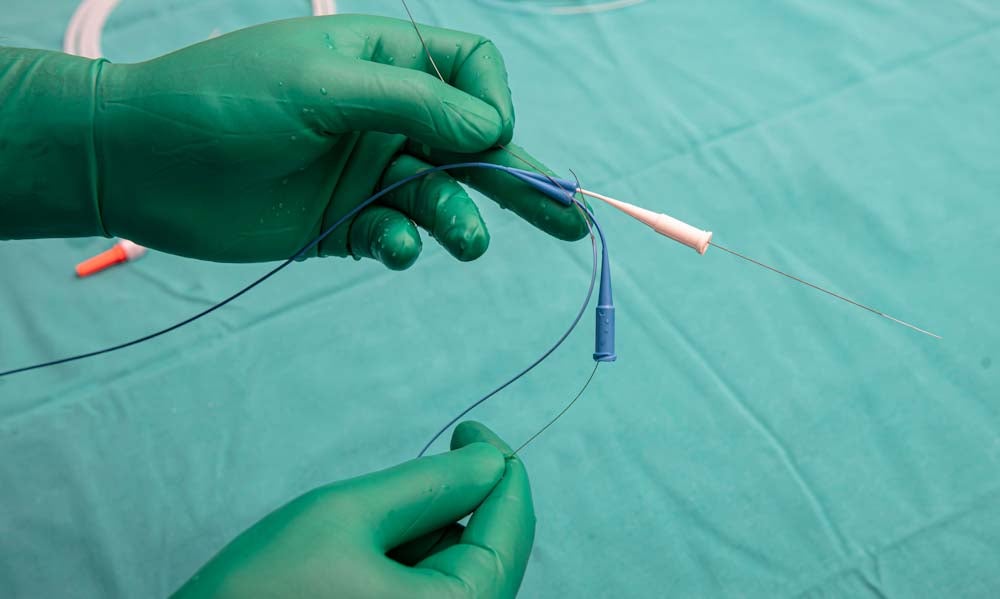
“We are working with device OEMs to achieve designs and performance that was inconceivable only a decade ago and we can do that because of our R&D in specialised medical alloys, ultra-fine wire drawing for highly integrated sensing capability and conductivity, nitinol processing and advanced insulation materials that operate reliably under demanding physiological conditions.”
New engineering demands
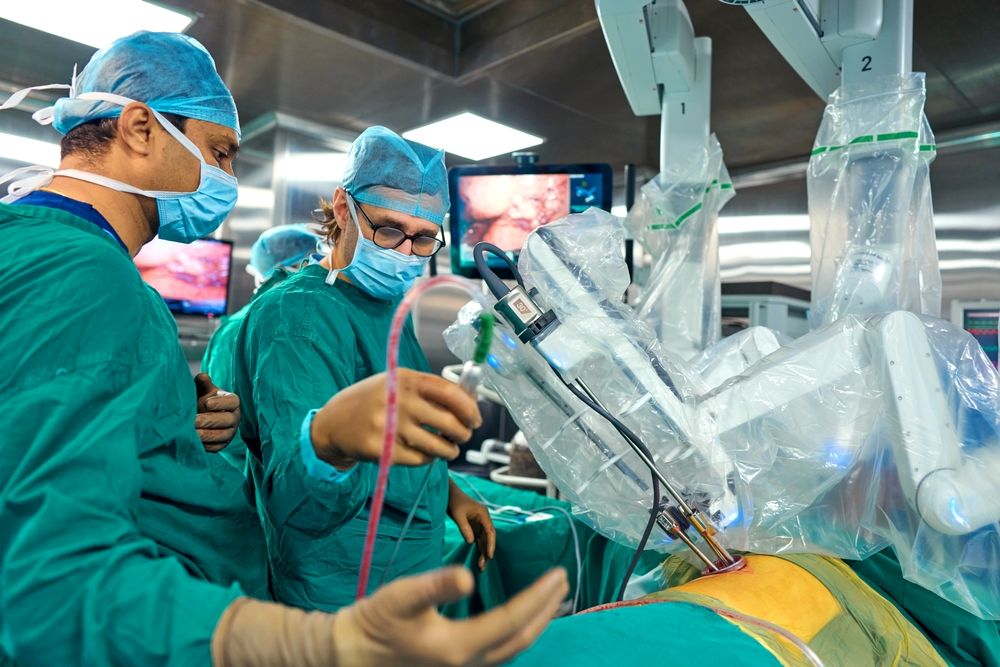
Meanwhile, robotic-assisted surgery continues to expand across surgical disciplines. Robotic systems improve precision, reduce surgeon fatigue, and enable complex manoeuvres in confined anatomical spaces. However, these benefits create new engineering demands. Components must deliver consistent performance across repeated flexing, sterilisation cycles, and mechanical stress while maintaining signal integrity and mechanical reliability.
As device complexity increases, traditional off-the-shelf materials and standard components are often insufficient. Engineering teams now rely on specialised alloys, advanced coatings, and micro-scale fabrication processes to meet performance requirements.
Surface engineering is also becoming critical to device function. Coatings, electropolishing, and finishing processes directly influence fatigue resistance, electrical conductivity, corrosion resistance, and biocompatibility. At microscopic scales, surface quality can determine whether a device performs reliably over time or fails prematurely.
The ESG imperative
Alongside technical innovation, sustainability is becoming a measurable procurement requirement across global healthcare markets. Hospitals, regulators, and purchasing organisations are increasingly evaluating device manufacturers based on carbon footprint, raw material sourcing, and end-of-life product planning.
Regulatory frameworks and standards are reinforcing this shift, with environmental management systems, responsible sourcing expectations, and traceability requirements expanding beyond safety compliance to include sustainability verification across the supply chain. Device manufacturers must now demonstrate not only which materials are used but also where they came from and how they were processed.
Furthermore, as device architectures become more complex, fragmented supplier networks can introduce variability, increase qualification timelines, and slow product launches. In response, many OEMs are moving toward vertically integrated supply partners that can deliver multiple processing steps and support collaborative development models.
Early alignment on materials, tolerances, and manufacturing processes can significantly reduce development cycles and improve time-to-market outcomes. In an environment where speed and reliability are critical competitive factors, supply chain strategy is becoming an extension of R&D strategy.
Preparing for the next era of patient care
The trends reshaping medical device innovation, from material precision and component miniaturisation to AI-enabled performance and sustainability accountability, are all interconnected. For device manufacturers, understanding how these forces combine is critical to future competitiveness.
Alleima’s 2026 Medtech report provides technical insight into latest material innovation, manufacturing strategies, and supply chain models that enable next-generation device performance, while also exploring how sustainability and traceability expectations are influencing development and procurement decisions across the industry.
Download the full Alleima Medtech in 2026 report to explore the technologies and strategies shaping the future of medical device innovation.