Medical devices are becoming smaller, smarter and more connected as original equipment manufacturers (OEMs) add sensing capabilities to products used in minimally invasive treatment and remote patient monitoring.
These trends are increasing demand for components capable of collecting reliable data without enlarging a device or compromising its mechanical performance. In guidewire-based procedures, integrated sensors can measure blood flow, pressure or temperature at the treatment site, helping clinicians navigate and make decisions in real time.
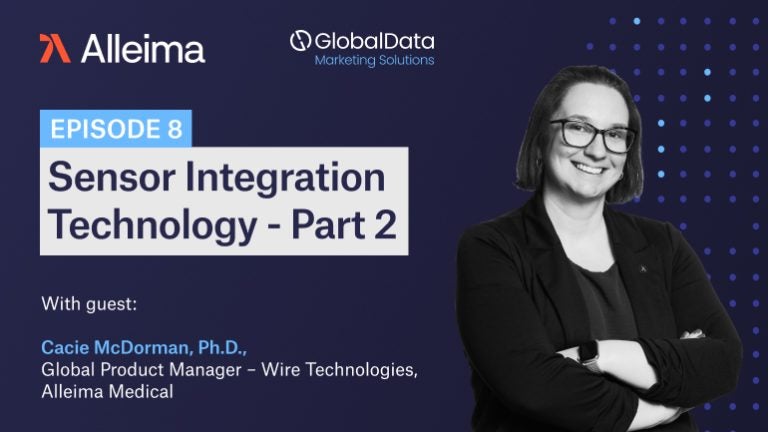
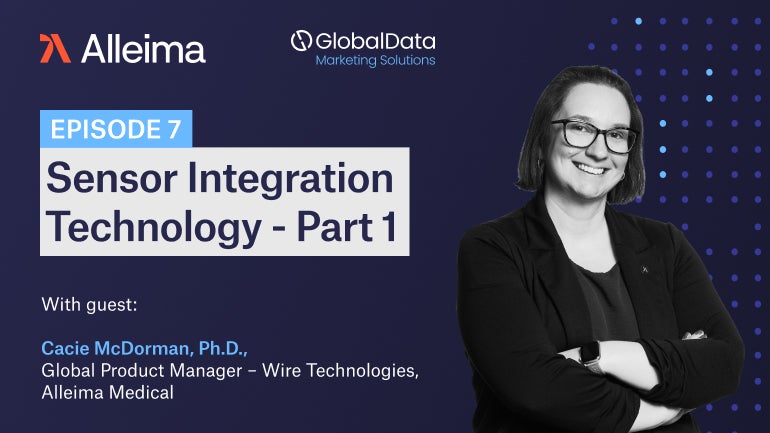
In episode seven of the Advancing the Future of MedTech with Alleima podcast series, Cacie McDorman, global product manager for wire technologies at Alleima, discusses the forces driving sensor integration and the engineering demands facing manufacturers.
The conversation spans connected wearables and disease-specific technologies such as continuous glucose monitors, as well as the evolution of guidewires from mechanical tools into platforms that can support both navigation and therapy.
Listen below:
However, as functionality increases, so does manufacturing complexity. OEMs must balance biocompatibility, durability, flexibility and signal integrity while working to tight tolerances and maintaining consistent quality at scale.
Alleima specialises in advanced materials and precision wire-based technologies for medical applications. McDorman explains why early collaboration with experienced manufacturing partners can help design teams select appropriate materials, coatings and processes, reducing the risk of costly changes later in development.
To hear more about sensor integration and the technologies enabling the next generation of medical devices, listen to the podcast.
Stay tuned for the next episode, which will explore the materials and manufacturing considerations in greater detail.
Catch up on earlier episodes below: