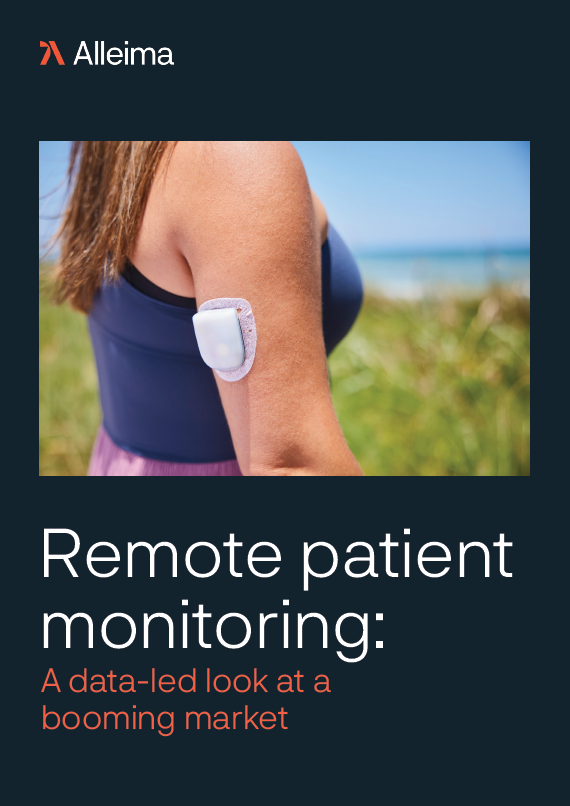
Continuous glucose monitors, pacemakers and neurostimulation systems all have something in common: these devices require small and advanced medical-grade wires to offer the performance, precision and patient safety global healthcare operators expect.
The chances are many people will have come across the devices and treatments that Alleima’s medical unit is instrumental in developing.
The company, based in Sandviken, Sweden but with operations worldwide, provides OEMs with the ultra-fine wire and wire-based sensor-enabled components for next-generation medical devices to expand life-changing minimally invasive procedures as well as supporting improvements in remote patient monitoring devices.
These devices are critical to give patients with diabetes and heart conditions, in particular, improved quality of life and the ability to better manage their conditions outside of the GP and hospital setting.
Every year, Alleima presents an innovation prize for its scientists and employees that it feels have delivered exceptional work in product and process development across the entire organisation.
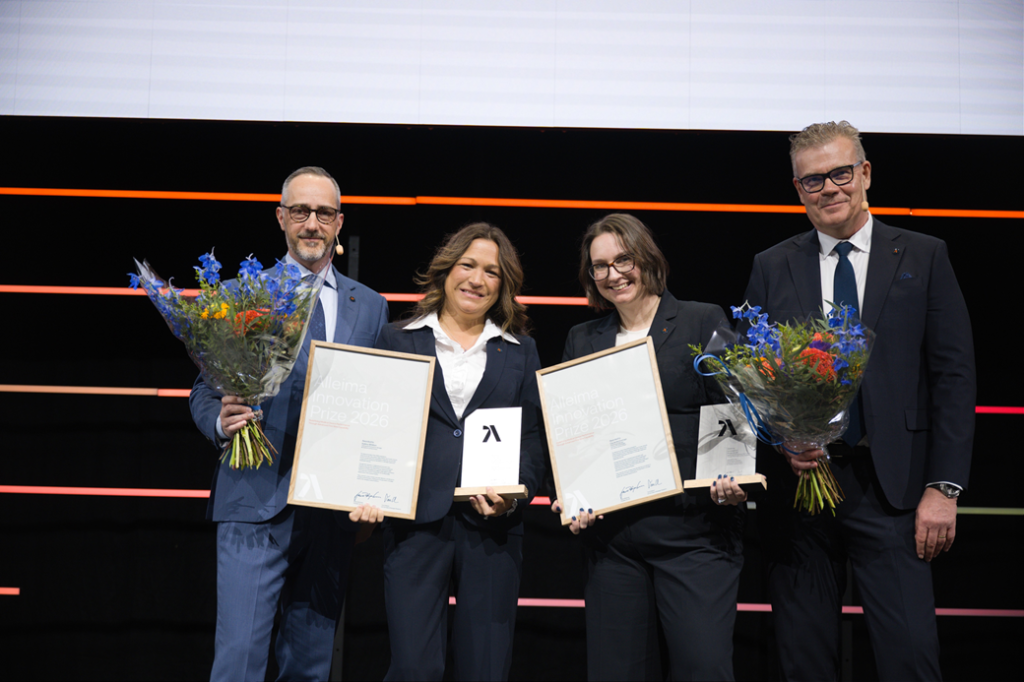
In 2026, this price was presented to Cacie McDorman, Gary Davies, Timothy Tacionis and Katina Whitten. Cacie (PhD) is a global product manager in wire technologies; Katina is a training and development manager, Timothy is the lead engineer and Gary is Vice President Strategic Business Development.
In this interview with Medical Device Network, the winners discussed the work behind the award, what motivates them, and where medical device technology is heading next.
Developing medical wire for increasingly sophisticated devices
Cacie, how has your career at Alleima evolved?
Cacie McDorman (CM): “I have been with Alleima for five and a half years. I started as a process engineer and then moved into engineering management. I am now the global product manager for wire technologies.”
What motivates you most about your work?
CM: “Everything we do directly impacts people’s lives in a positive way. If the medical device has wire, we probably had a role in developing it. This means that you likely know someone that our work has touched.”
Medical devices such as continuous glucose monitors, pacemakers and neurostimulation systems all have different performance requirements. How does your team develop wire for such varied applications?
CM: “Every device has its unique set of requirements. In something like a continuous glucose monitor, electrical performance and patient comfort dominate, while in a pacemaker, fatigue resistance becomes a key requirement. We work with our customers to determine what we can provide to meet their specific needs. This may require tailoring things like resistance, mechanical properties, coatings, and wire form or size.”
What trends do you expect to shape the next generation of medical wire?
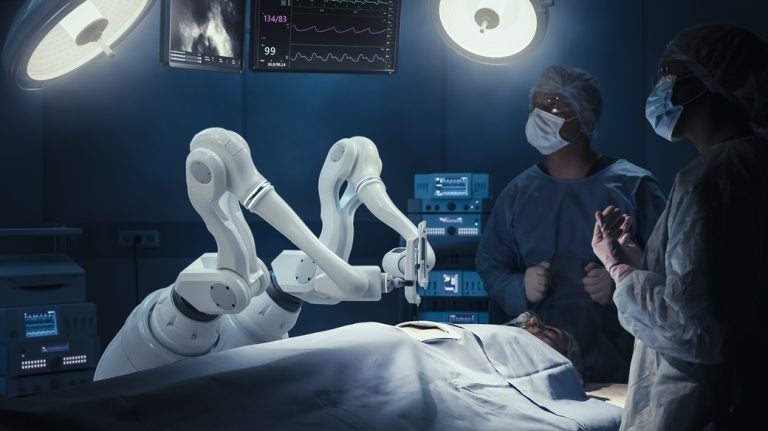
CM: “We have seen a need for more data in the market. This means that we expect the demand for integrated sensors to improve clinician feedback and disease treatment in standard medical devices to increase. We also see an increase in the brain-computer interface and robotic surgery markets.”
Solving materials challenges for medical device manufacturers
Gary, how has your career developed during your time at Alleima?
GD:”I have worked for Alleima for 24 years, holding various roles in engineering, R&D, quality, production and operations. I have been responsible for developing Alleima’s medical business unit strategy and supporting both greenfield and inorganic business expansion.”
What continues to motivate you?
GD:”Finding unique material solutions and seeing them come to life to support our customers creating life-changing devices is extremely motivating. This feeling is compounded when you learn details about the positive impact that our products ultimately have on someone’s life.”
How large is the engineering team supporting Alleima’s medical business?
GD: “Our products are based on technical solutions, so when we consider all of the staff involved with developing products, processes, equipment and supporting customer needs, Alleima’s medical business unit employs approximately 35 engineers in five different countries.”
Building the skills needed to support growing demand
You’ve worked at Alleima for three decades. How has your career evolved?
Katina Whitten (KW):”. I started working in production and, through the years, have been fortunate enough to work in many different areas, including Production Management, Supply Chain, Sales, Human Resources, and Training and Development. My experience across those areas has allowed me to shift my support to critical areas of need.”
KW: What keeps you passionate about your work?
KW: “What motivates me to come to work each morning is knowing that the products we make have a real and positive impact on people’s lives. I am proud to contribute to wire and components that help improve quality of life for people around the world. I am also energised by the opportunity to collaborate with colleagues and share experience and knowledge across the organisation. Being able to make a difference while learning from and supporting others is extremely rewarding.”
How do you scale production while maintaining quality?
KW: “Demand for our products has increased rapidly over the past five years, bringing both challenges and opportunities. To support this growth, we have focused on expanding and developing our workforce, investing in new equipment and technology, and building on our strengths while adding new core competencies to the business.”
Shaping the next generation of implantable and minimally invasive medical devices
Although their careers have taken different paths, McDorman, Davies, and Whitten all describe the same reward: solving complex engineering problems that ultimately improve patient care. The wires they make may be measured in fractions of a millimetre. Their impact is considerably larger, helping to overcome some of the major challenges with complex medical devices to allow more patients to benefit.
Read more about the Innovation prize at alleima.com. Lear more about Alleima and its manufacturing and materials expertise in this whitepaper below.