
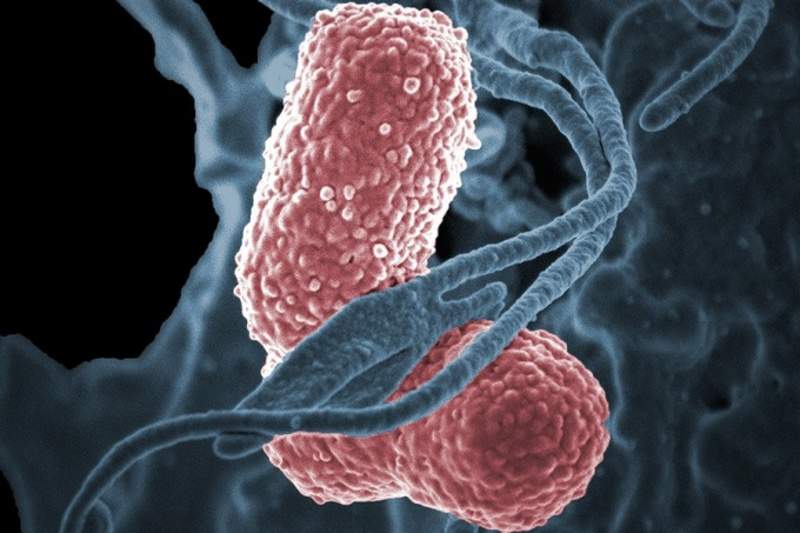
University of Buffalo researchers have discovered several biomarkers that can accurately detect a hypervirulent strain of Klebsiella pneumonia bacteria (K. pneumonia), which leads to sudden life-threatening complications.
Based on the theory that hypervirulence of the bacteria is due to genes present on a large virulence plasmid, the researchers went on to find that genes producing siderophores can act as biomarkers.
Go deeper with GlobalData


Discover B2B Marketing That Performs
Combine business intelligence and editorial excellence to reach engaged professionals across 36 leading media platforms.
In addition, higher concentrations of siderophores were found to predict hypervirulence. These biomarkers were validated in a mouse infection model.
Currently, there are no accurate approaches to differentiate between the K. pneumoniae classical strain and the hypervirulent strain.
While both the strains are deadly, the classical strain is said to be less virulent and causes infections in patients with an underlying disease or immune-compromised and hospitalised.
However, the hypervirulent strain can affect healthy, young people and results in blindness, flesh-eating infections, brain abscesses and death within days.
The research team expects that the latest discovery can help in the development of a new diagnostic test to clinically identify the hypervirulent K. pneumonia.
UB Jacobs School of Medicine and Biomedical Sciences professor Thomas Russo said: “The advantage of identifying these genetic biomarkers is that they can be developed into rapid nucleic acid tests, and if approved by the Food and Drug Administration, would then provide clinicians with an accurate method to quickly determine if a patient is suffering from an infection due to the classical or hypervirulent strain.”
According to the researchers, a definitive test will optimise patient care and also enable epidemiologic surveillance in order to track the frequency of infections and antimicrobial resistance by this strain.


