
Advita Ortho CEO Aurelio Sahagun outlines how the company’s award-winning Newton® Knee Balancing Technology is redefining data‑driven orthopedics—fusing real‑time soft‑tissue analytics, machine learning and intuitive software to give surgeons reproducible, personalized outcomes without the capital burden of robotics. From ASC‑friendly design and rigorous evidence generation to a scalable digital architecture across joints, Sahagun explains why the future of orthopedics lies in connected implant ecosystems where data, design and clinical intuition work as one.
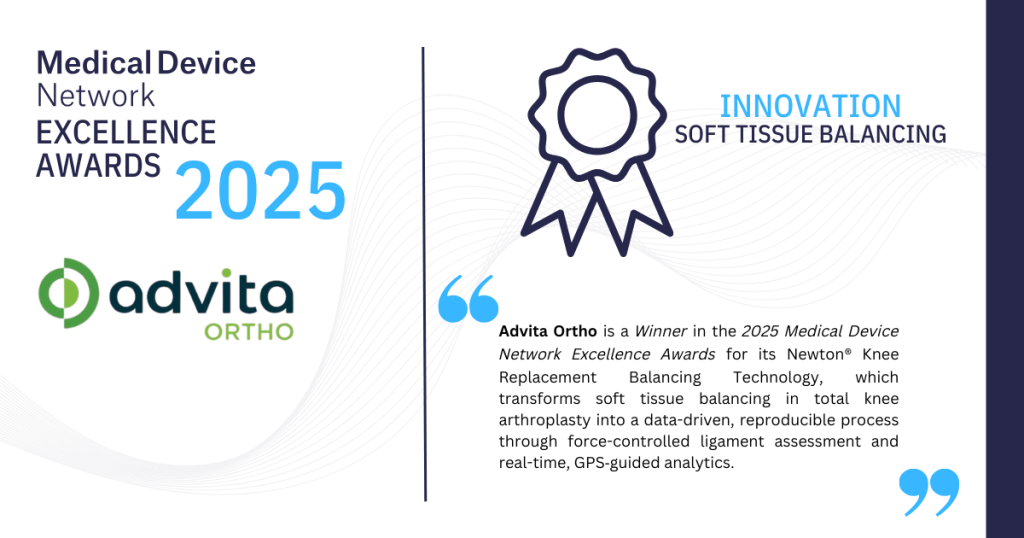
Advita Ortho won the Innovation award for Soft Tissue Balancing in the 2025 Medical Device Network Excellence Awards.
Go deeper with GlobalData


Discover B2B Marketing That Performs
Combine business intelligence and editorial excellence to reach engaged professionals across 36 leading media platforms.
Medical Device Network (MDN): Congratulations on the Innovation award. What does this recognition signal about where Advita Ortho is headed as a company?
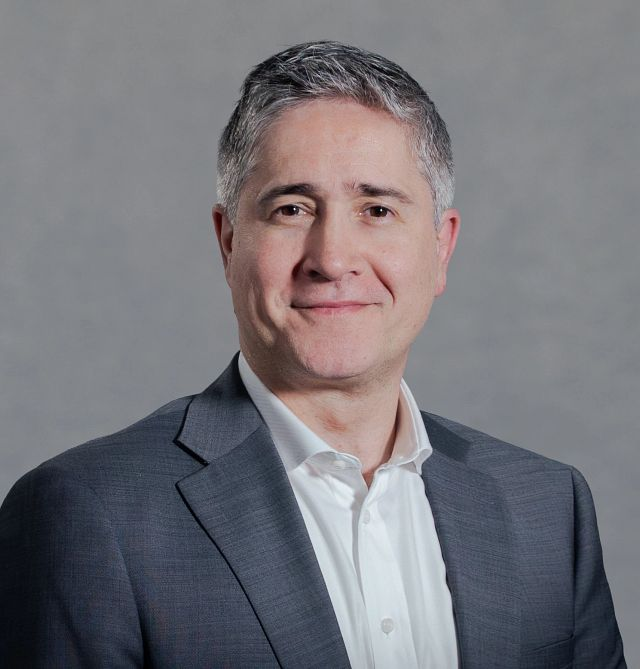
Aurelio Sahagun: We’re honored by this recognition because it represents both a product milestone and the mindset that drives Advita Ortho. We strive to make advanced, data-driven care that is practical and accessible in every setting, from large hospitals to smaller surgery centers.
MDN: How does the Newton Knee Balancing Technology reflect your broader vision for data-driven orthopedics and the role of software in implant ecosystems?
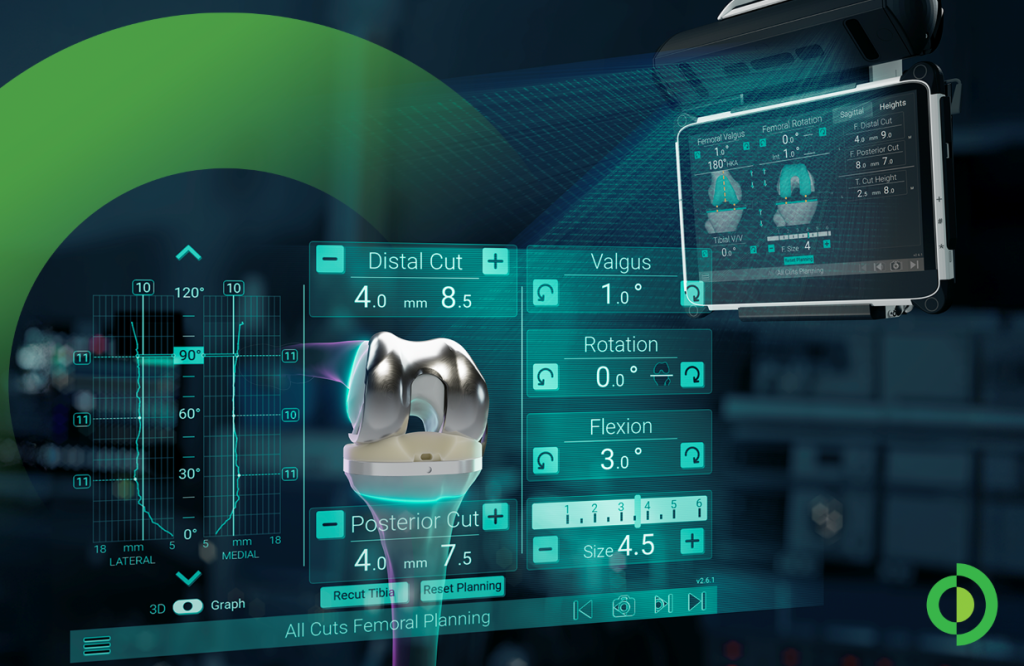
Aurelio Sahagun: Newton represents the convergence of data, insight and clinical intuition. It’s a framework for how we see the future of orthopedics. By providing a real-time visual representation of patient soft tissue dynamics, Newton helps surgeons make real-time decisions with confidence. It’s a bridge between pre-operative planning and intra-operative execution, showing how connected systems can elevate precision and consistency across the entire continuum of care.
MDN: Beyond the knee, how are you thinking about extending soft‑tissue analytics and planning principles across other joints and procedures?
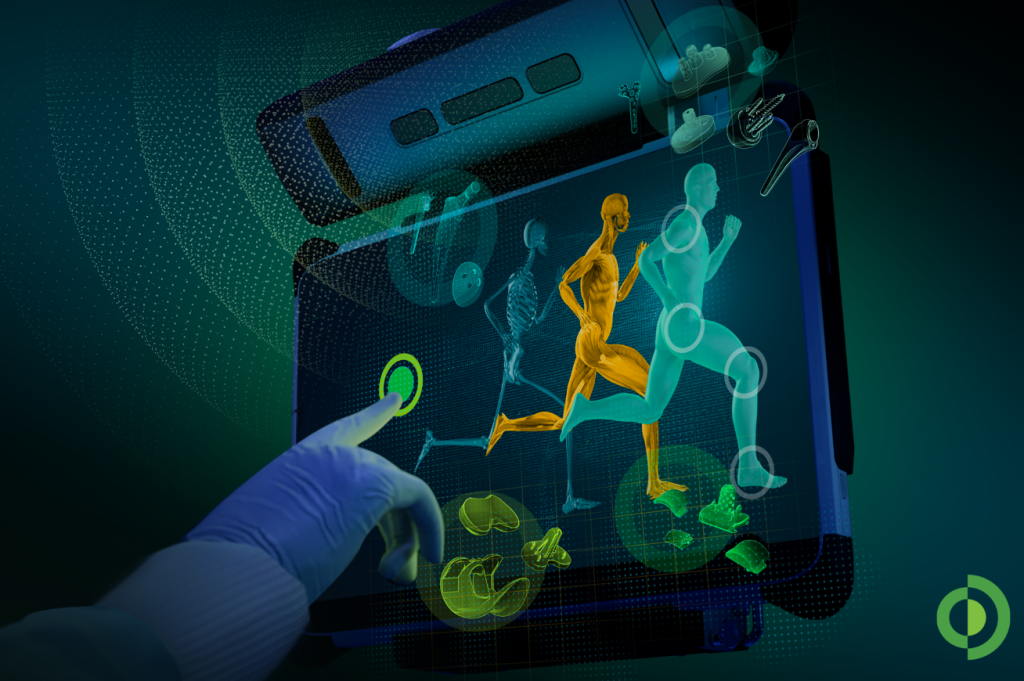
Aurelio Sahagun: The foundation we’ve built with Newton creates a scalable digital architecture that can support future applications in both planning and navigation. Ultimately, our goal is to give every surgeon the same quality of data-driven insight, regardless of operative joint or complexity, so that surgeons can implement a personalized plan for each patient, based on their unique bone size and shape, and joint soft tissue laxity.
MDN: What strategic bets—technology, talent, or partnerships—were most critical in moving Newton from concept to clinical adoption?
Aurelio Sahagun: At Advita Ortho, we transform ideas into data-driven innovations. Our strategic focus is on investing in cross-disciplinary talent, pairing software engineers with biomechanical experts and clinical researchers to build intuitive, surgeon-centric solutions, like Newton. Our technology focus centers around simpler, smarter solutions that provide tangible improved outcomes for patients.
MDN: The industry faces cost pressure, especially in ASCs. How do you deliver advanced capabilities without the capital burden typical of large robotic platforms?
Aurelio Sahagun: We designed Newton and our broader GPS platform to be practical by design. It’s compact and cost-effective with no annual maintenance contracts or capital cost hurdles. By reducing setup complexity and focusing on software-driven intelligence, we provide high-value capabilities that fit seamlessly into the ASC environment. Efficiency and affordability are built into the system, not added as afterthoughts.
MDN: How do you structure your evidence-generation strategy to demonstrate clinical and economic value?
Aurelio Sahagun: Evidence is central to our strategy. We maintain a continuous feedback loop with our surgeon partners, collecting data, publishing outcomes, and validating performance in real-world settings. Our goal is to show not only that our solutions work technically, but that they also drive measurable improvements in patient outcomes, workflow efficiency and total cost of care. We also invest in multi-center studies and registry initiatives to demonstrate reproducibility across diverse surgical environments.
MDN: With your recent patent strengthening the IP foundation, how will software and machine learning shape personalized planning over the next three to five years?
Aurelio Sahagun: Machine learning helps us understand the nuances of patient variability in ways that were previously unquantifiable. Our algorithms are leveraging thousands of data points to recognize patient specific soft tissue signatures to predict how each knee behaves under different loads and alignments. Over the next few years, this intelligence will power tailored planning recommendations that help surgeons personalize procedures faster, for greater predictability and reproducibility.
MDN: How does Newton support value-based care metrics that matter to administrators, such as length of stay, readmissions, revisions, and patient-reported outcomes?
Aurelio Sahagun: Newton directly supports value-based care by improving precision and predictability in alignment, two key drivers of patient satisfaction and long-term outcomes. Early data suggest that balanced soft-tissue tension contributes to faster recovery and reduced readmission risk. By quantifying these variables, we provide hospitals and ASCs with actionable insights that align clinical excellence with economic sustainability.
MDN: As you scale globally, how do you adapt to different surgical philosophies and regulatory expectations while maintaining consistency and training quality?
Aurelio Sahagun: We recognize that surgical philosophies vary across regions, and we see that diversity as a strength. Our global training programs are built on shared principles but localized execution. Wherever they are in the world, our goal is to empower surgeons to personalize care within their clinical realities while maintaining the same standards of safety, data integrity, and educational excellence.
MDN: Surgeon experience levels vary widely. What is your approach to ensuring reproducible results across the learning curve?
Aurelio Sahagun: Reproducibility is built into how we design. Our goal is for every surgeon, regardless of experience, to achieve consistent results from the first case forward. That starts with intuitive workflows, clear visualization, step-by-step guidance, and real-time feedback that removes ambiguity in decision-making.
MDN: Looking ahead, what milestones should clinicians and investors watch for that signal continued momentum in Newton’s adoption and impact?
Aurelio Sahagun: We’re focused on expanding access, generating long-term outcome data, and extending Newton’s capabilities across new joints and digital integrations. You’ll see continued investment in software intelligence, streamlined workflows, and training programs that make personalization the new standard of care. The next chapter isn’t about more technology, it’s about deeper connection between data, design, and human insight. That’s where the real transformation happens.
MDN: Aurelio, thank you for your insights on how Advita Ortho is using Newton to make data‑driven, personalized orthopedics both clinically impactful and operationally practical for today’s surgical environments.
About Aurelio Sahagun
Aurelio Sahagun was appointed Chief Executive Officer of Advita Ortho in November 2025, bringing more than 20 years of global experience in the medical device industry. He has led organizations across all major international markets and is recognized for successfully guiding innovative medical technologies from development through commercialization, delivering consistent, above-market growth.
Prior to joining the company, Sahagun served as President, North America, at Straumann Group, and previously as President of MicroPort Orthopedics. He began his MedTech career at Medtronic and later at Wright Medical Technology, where he advanced through a series of increasingly senior leadership roles.
Sahagun holds a bachelor’s degree in Economics from the Universidad Autónoma of Madrid and an MBA from HEC Paris.


