
A research team at the University of Texas has developed a new diagnostic tool to identify a species of mosquito that carries harmful viruses such as Zika, dengue, chikungunya and yellow fever.
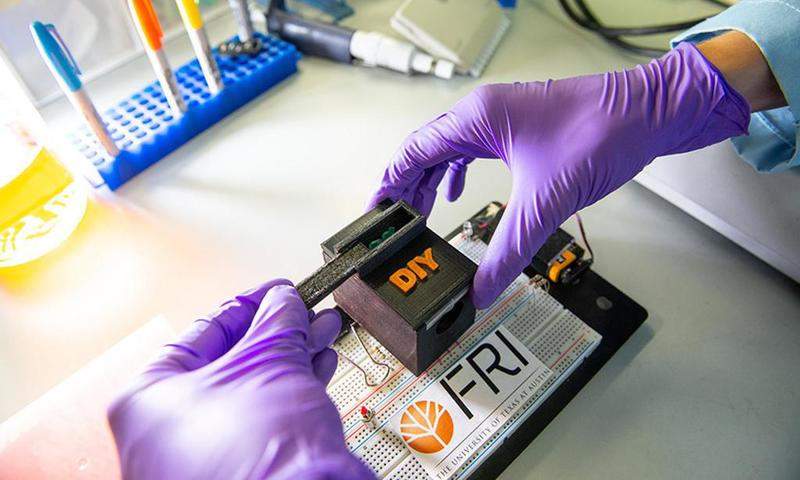
The tool comprises a smartphone camera, 3D-printed box and simple chemical test to assess if a dead mosquito is of the Aedes aegypti species.
Go deeper with GlobalData


Discover B2B Marketing That Performs
Combine business intelligence and editorial excellence to reach engaged professionals across 36 leading media platforms.
This species is known to be a carrier for dangerous diseases and is associated with the rapid increase in mosquito-borne diseases since 2004 in the US.
University of Texas at Austin Molecular Biosciences department research associate Sanchita Bhadra said: “Many of these diseases are spreading in areas where they weren’t common before.
“Having surveillance is important in conjunction with any kind of outbreak, and this method allows a rapid test in the field.”
In addition to disease-carrying mosquitoes, the new diagnostic tool can also identify the presence of a biopesticide called Wolbachia.
Wolbachia is a type of bacteria that can prevent mosquitoes from spreading diseases. It is being used by public health agencies to infect mosquitoes in order to control the transmission of viruses.
The new tool can be used to track Wolbachia effectiveness. It is expected to provide a better alternative for existing tests that are considered hard-to-read, costly and not logistically convenient.
It is designed to analyse the nucleic acid of mosquitoes and delivers results as a yes or no readout on a smartphone. The tool is said to detect the target with more than 97% accuracy.
Bhadra added: “This test can happen without involving a lot of staff and equipment to make sure Wolbachia is effective and spreading as anticipated.”
Apart from identifying disease-carrying mosquitoes and Wolbachia, the researchers are working towards the application of this technology to easily detect if trapped mosquitoes are carrying pathogens.


