
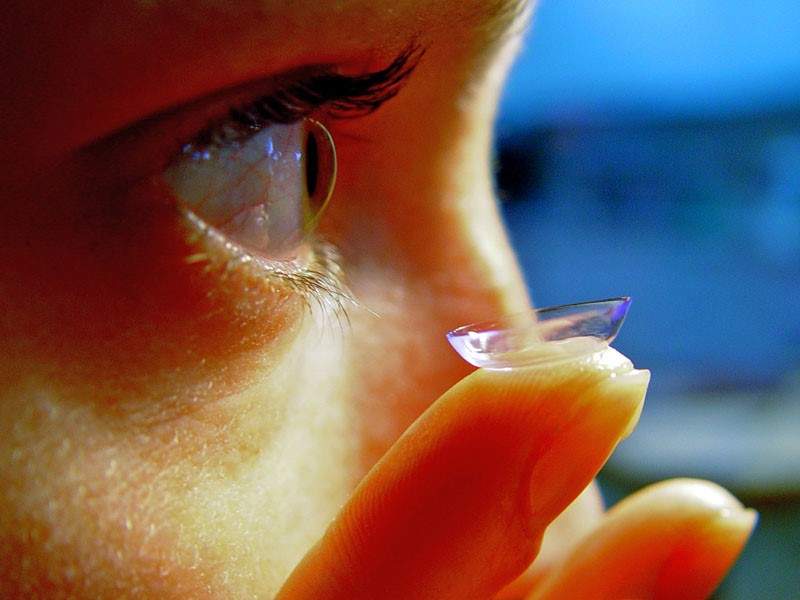
Researchers from UCL and Moorfields Eye Hospital have discovered an outbreak of a rare but preventable eye infection, Acanthamoeba keratitis, which can cause blindness in contact lens wearers.
Acanthamoeba keratitis is an eye disease caused by the cyst-forming microorganism Acanthamoeba. The infection makes the cornea of the eye inflamed and painful, which may eventually lead to blindness if left untreated.
Go deeper with GlobalData


Discover B2B Marketing That Performs
Combine business intelligence and editorial excellence to reach engaged professionals across 36 leading media platforms.
The study identified the use of ineffective contact lens solutions, contaminating lenses with water or poor contact lens hygiene as the main causes of the infection.
UCL Institute of Ophthalmology and Moorfields Eye Hospital NHS Foundation Trust professor John Dart said: “This infection is still quite rare, usually affecting 2.5 in 100,000 contact lens users per year in South East England, but it’s largely preventable.
“This increase in cases highlights the need for contact lens users to be aware of the risks.”
The study was conducted by collecting incidence data of patients with the infection between 1985 and 2016 from Moorfields Eye Hospital.
Researchers identified 36 to 65 cases annually over the past few years, an increase when compared to eight to ten cases per year between 2000 and 2003.
According to the study, the most severely affected patients experienced less than 25% of vision or became blind following the disease while 25% of the affected patients required corneal transplants to treat the disease or restore vision.
It also noted that contact lens users are at high risk of catching the infection as they are highly susceptible due to the contamination of lens cases.
Fight for Sight, Moorfields Eye Charity and CooperVision UK funded the research in collaboration with NIHR Biomedical Research Centre at Moorfields Eye Hospital NHS Foundation Trust and the Australian National Health and Medical Research Council.


