
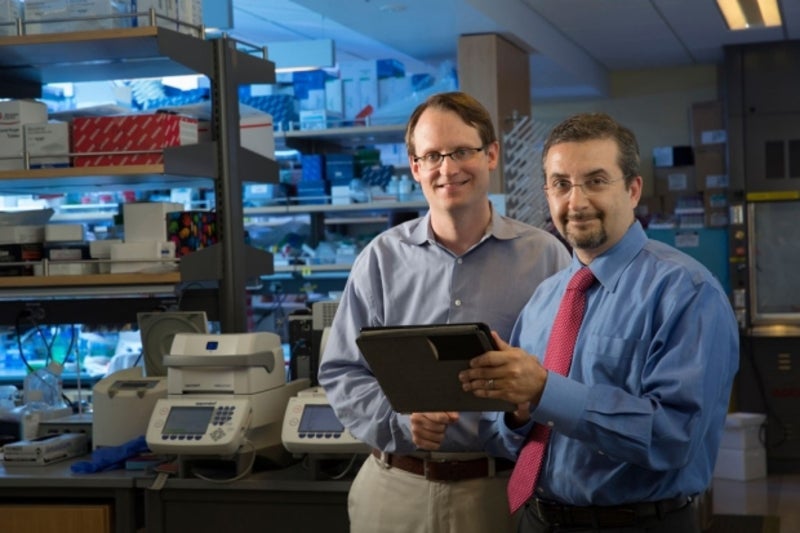
Researchers at the Stanford University School of Medicine have developed a computer algorithm to predict the outcome of a cancer patient during treatment.
Inspired by a sports playbook, the new technology is designed to analyse a range of predictive data, including a tumour’s response to therapy and the blood levels of cancer DNA during treatment.
Go deeper with GlobalData


Discover B2B Marketing That Performs
Combine business intelligence and editorial excellence to reach engaged professionals across 36 leading media platforms.
Named Continuous Individualized Risk Index (CIRI), the tool is intended to offer a single, dynamic risk assessment at any point during a treatment course.
The algorithm has also demonstrated the ability to aid in identifying patients who may benefit from early, more aggressive therapies, as well as those who may be potentially cured by standard methods.
During their study, the team gathered data from people who were previously diagnosed with diffuse large B-cell lymphoma.
As well as initial symptoms such as cancer cell type, tumour size and location from 2,500 DLBCL patients, the researchers obtained information on the amount of tumour DNA circulating in the blood from 132 patients.
Stanford University School of Medicine radiation oncology associate professor Maximilian Diehn said: “What we’re doing now is somewhat like trying to predict the outcome of a basketball game by tuning in at halftime to check the score, or by watching only the tipoff.
“We wanted to learn if it’s best to look at the latest information available about a patient, the earliest information we gathered, or whether it’s best to aggregate all of this data over many time points.”
The collected data was used to train the computer algorithm to identify patterns and combinations that could impact whether a patient lived for at least 24 months after seemingly successful therapy without a relapse.
When tested for predicting prognoses, the new technology was found to have provided a better score compared to previous approaches.
Assessment with data from previously published panels of common leukaemia and breast cancer patients showed that the aggregated approach with CIRI outperformed the standard approaches.


