
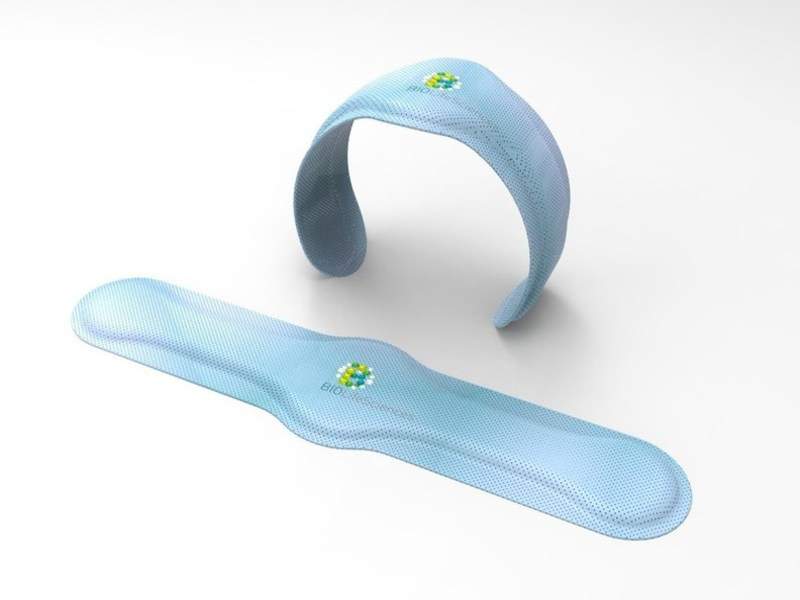

Singapore-based Ram Group has unveiled its new hemodynamic sensor for non-invasive cardiopulmonary monitoring wearables.
The sensor is designed as a low-cost solution that is used at a single-point of contact anywhere on the body.

Discover B2B Marketing That Performs
Combine business intelligence and editorial excellence to reach engaged professionals across 36 leading media platforms.
It will replace costly and invasive monitoring devices that require surgery for pulmonary catheterisation or a multiple electrode belt halter, reducing the risks during heart surgery.
The sensor continuously monitors the cardiopulmonary and circulatory system for an array of biometrics and high-acuity vital signs.
The patient-centric solution can simultaneously monitor the right and left atrium of the heart, as well as central venous pressure, without surgery.
Made with the firm's new smart semiconductor material, the sensor has the potential to provide real-time data on heart rate and variability, pressures in left and right atrium, central venous pressure, cuffless blood pressure, cardiac output, and breath dynamics.
Following its first contact with the body, the device can supply a picture of the circulatory system, the heart and the lungs as a single structure.
The non-invasive approach of the sensor is expected to minimise the risk of strokes, seizures, infections and surgical complications that usually occur during standard approaches.
With integrated Bluetooth and a mobile app, the technology can also facilitate remote monitoring, in turn decreasing the duration of hospital stay and the overall risk of hospital-acquired infections.
Through its new technology, Ram Group is additionally providing an option to non-invasively monitor the heart and lungs of neonatal and premature infants.
It can be placed next to the baby, in a sock or in an incubator for continuous full high-acuity monitoring.
Image: RAM Group wearable hemodynamic bracelet. Photo: courtesy of PR Newswire/Ram Group.


