
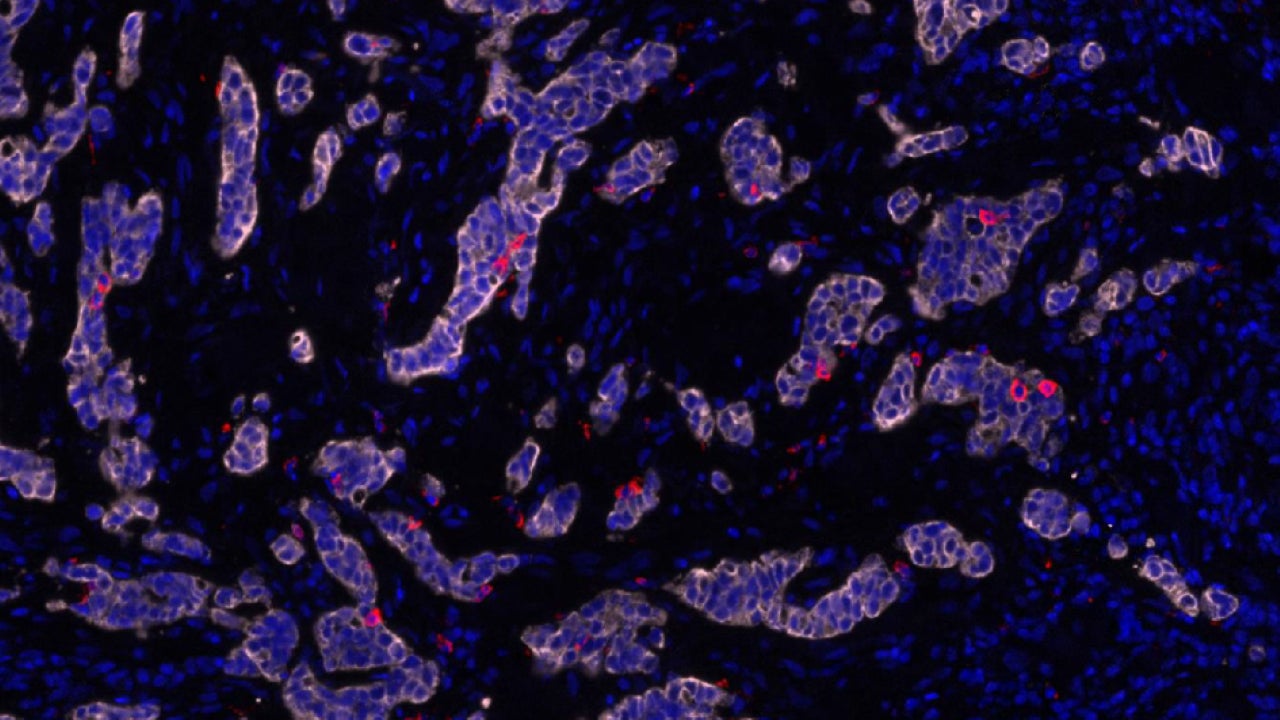
Researchers at the Institute of Cancer Research (ICR), London, and Royal Marsden NHS Trust have found that a simple blood test could detect patients with stomach or oesophageal cancer.
The liquid biopsy test can detect cancer DNA in the bloodstream.
Go deeper with GlobalData


Discover B2B Marketing That Performs
Combine business intelligence and editorial excellence to reach engaged professionals across 36 leading media platforms.
The test could reveal if those types of cancers are driven by the presence of too many copies of the EGFR gene.
According to the researchers, the test is less painful and less expensive compared to more invasive tissue biopsies.
They analysed the number of EGFR gene copies in tissue and liquid biopsies from patients with advanced stomach and oesophageal cancer enrolled in the REAL3 Phase III trial.
It was found that tissue and liquid biopsies could detect an abnormally high number of copies of the EGFR gene.
It meant that liquid biopsies could be used to pick out patients who might benefit from EGFR inhibitor drugs such as panitumumab.
The latest study also found that EGFR inhibitors should not be used along with the chemotherapy drug epirubicin as their effects seem to null each other out.
The findings explained why previous trials, which used combination drugs, have failed.
The Institute of Cancer Research chief executive professor Paul Workman said: “This promising study is a valuable step towards a more personalised approach to treating stomach and oesophageal cancers. Liquid biopsies are a much better option for patients as they are a faster and kinder alternative to traditional tissue biopsies.
“This research demonstrates the value of liquid biopsies for guiding treatment and showcases the potential of ‘mini tumours’, which can shed important insights into the complex biology of cancers and drug interactions.”


