
Butterfly Network has been recognized in the 2025 Medical Device Network Excellence Awards for Innovation and Business Expansion in the AI: Imaging and Imaging Platforms categories respectively, for advancing handheld, AI-enhanced ultrasound technology and scaling a unified imaging platform.
The company won the Innovation award for integrating Ultrasound‑on‑Chip engineering with embedded AI to deliver high‑quality handheld imaging and reproducible, guided workflows at the point of care. It won the Business Expansion award for scaling a unified ultrasound platform across health systems and international programs, demonstrating enterprise‑level adoption, regulated market rollout, and measurable operational impact.
Go deeper with GlobalData


Discover B2B Marketing That Performs
Combine business intelligence and editorial excellence to reach engaged professionals across 36 leading media platforms.
AI imaging innovation: Handheld ultrasound with on-device intelligence and 3D tools
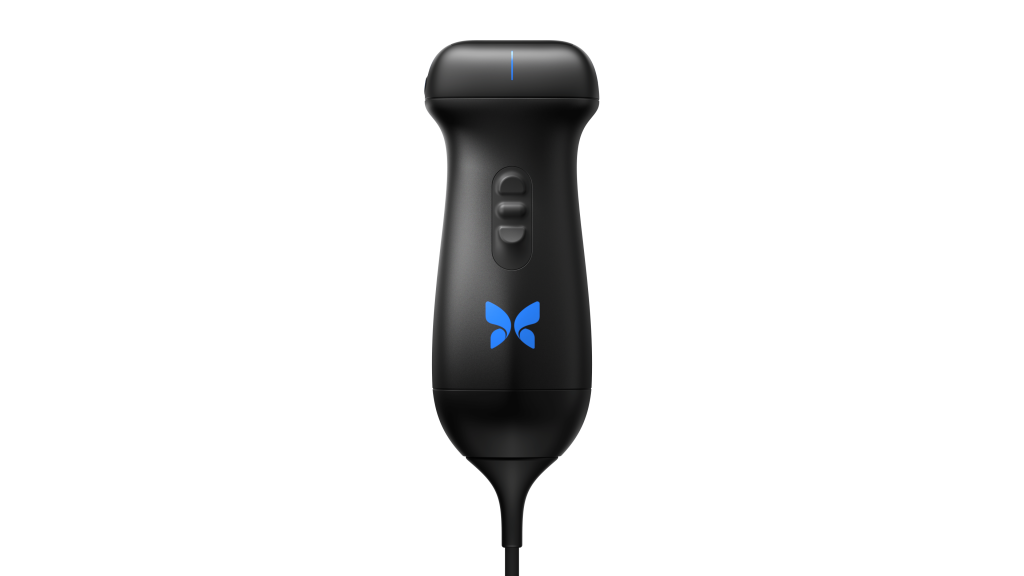
Butterfly’s approach marries its proprietary Ultrasound-on-Chip™ handheld device with intuitive AI-enhanced software to resolve longstanding trade-offs between portability and performance. The iQ3, built on the company’s P4.3 Ultrasound-on-Chip platform, delivers higher frame rates, sharper resolution, and faster data transfer than its predecessor while retaining a single-probe, whole‑body design that connects to a smartphone or tablet. The clinical utility is elevated by AI-guided tools that standardize acquisition and interpretation at the bedside. Automated B‑line counting supports consistent lung assessments; Auto Bladder Volume helps quantify urinary retention quickly; and NeedleViz improves needle visualization for procedures, aiding first‑pass success and training. Biplane Imaging provides simultaneous orthogonal views that are especially helpful in vascular access and cardiac windows, while 3D features such as iQ Slice and iQ Fan give users the ability to interrogate anatomy with greater context than conventional 2D handheld scans.
Equally important, Butterfly binds device-side intelligence with the infrastructure required to scale consistent practice. EMR and PACS integrations, secure cloud collaboration, and customizable worksheets support documentation and quality assurance across departments. This matters for reproducibility: front‑line users can follow structured protocols rather than relying on individual expertise, which helps expand use to generalists and trainees. Early evidence and documented use cases point to practical impact. In anesthesia and critical care settings, clinicians report improved precision in vascular access and regional anesthesia using features like Biplane Imaging and NeedleViz, which in turn supports safer, more efficient procedures and teaching. In primary care, general practitioners highlight how portability and reliable image quality enable point‑of‑care answers that may reduce unnecessary referrals and speed follow‑up decisions.

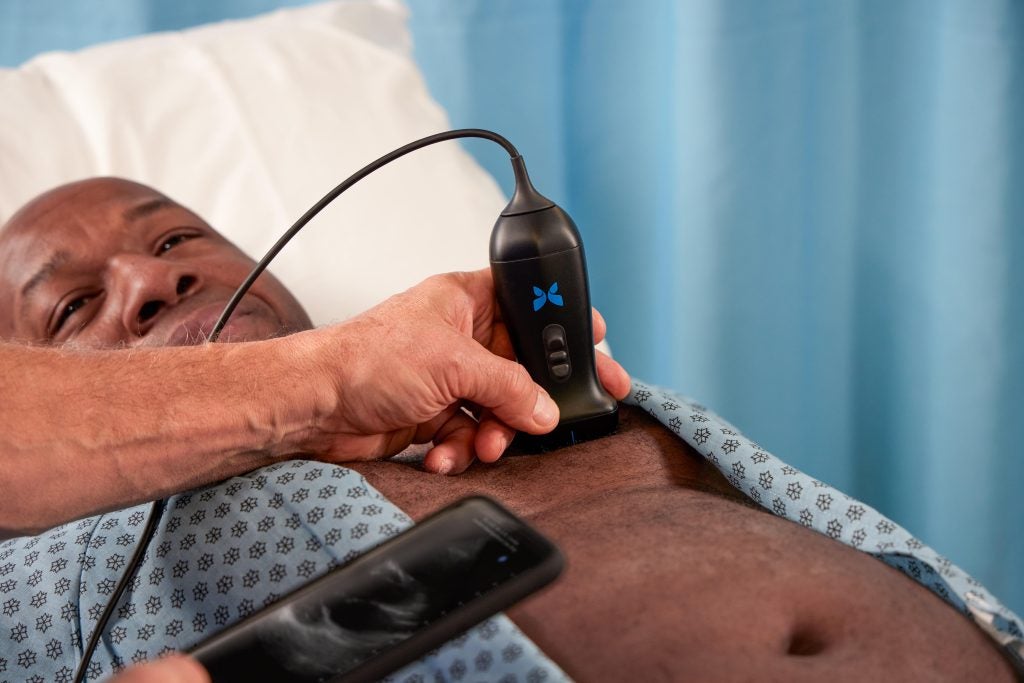
Cardiac imaging illustrates how Butterfly’s model widens access to specialty‑grade assessments. Through its collaboration with HeartFocus, an FDA‑cleared, AI‑guided echocardiography application is available on Butterfly devices, enabling diagnostic‑quality echocardiograms after hours—not months—of training. This lowers the barrier for cardiac evaluation across primary care, inpatient wards, education programs, and triage. Complementary research underscores the broader premise that intelligence layered on imaging can influence outcomes. For example, a machine‑learning approach on Butterfly devices achieved high accuracy in identifying aortic stenosis. The company also introduced an Aorta Exam Protocol on its ScanLab education platform to support earlier detection and consistent training. Together, the combination of on‑probe AI, advanced imaging modes, and scalable workflow integration explains why Butterfly’s handheld system stands out in AI: Imaging—enhancing diagnostic confidence while shortening the learning curve and making complex scans reproducible at the point of care.
Imaging platform expansion: Enterprise adoption, EU MDR launch, and global impact
Butterfly’s business execution moves beyond individual devices to a platform strategy that health systems can deploy at scale. Financial results reflect momentum—record quarterly revenues of $22.4 million in Q4 2024 (up 35% year over year) and $23.4 million in Q2 2025—while enterprise rollouts provide a repeatable framework for clinical adoption, governance, and return on investment.
Clinical research complements the enterprise data. The POCUS‑CARE trial, conducted with Rutgers Robert Wood Johnson Medical School and published in JAMA Network Open, integrated handheld ultrasound into routine inpatient care for dyspnea and congestive heart failure. The study reported a roughly 30% reduction in median length of stay (from 11.9 to 8.3 days), 246 hospital bed‑days saved, more than $750,000 in direct cost savings, and lower 90‑day readmissions (17% vs. 23%). These results are notable because they link a hospitalist‑driven POCUS model to outcomes and cost metrics that matter to operations leaders and CFOs, reinforcing that scaled handheld imaging can impact capacity and throughput, not just diagnostic convenience.
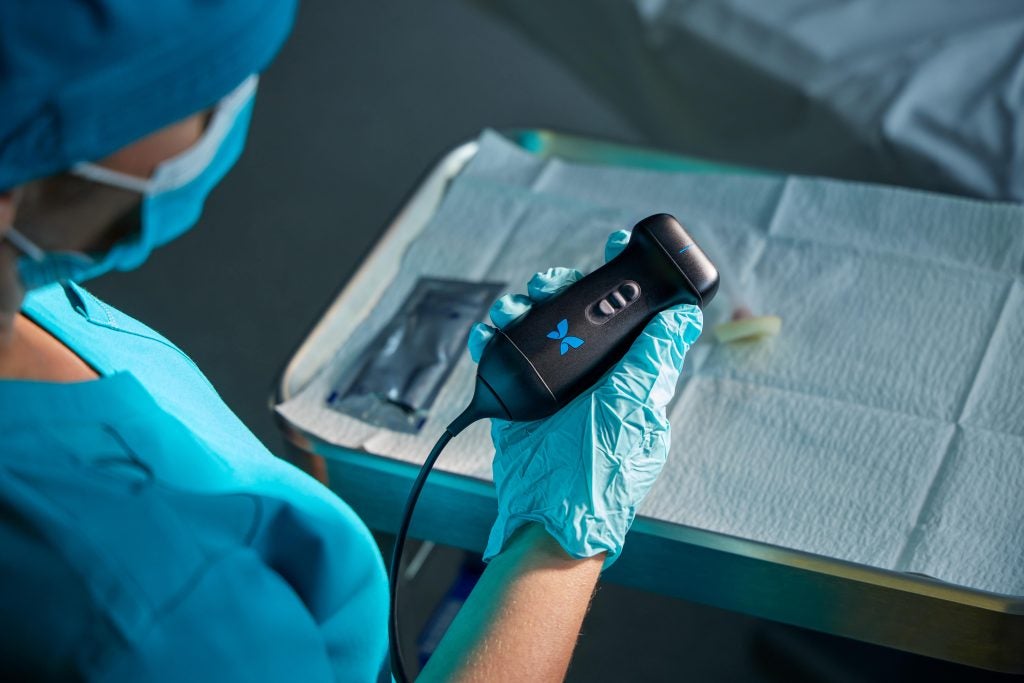
Geographic expansion under regulated pathways further supports the platform narrative. Butterfly launched the iQ3 across 16 European countries with EU MDR compliance, adding 3D tools like iQ Slice and iQ Fan alongside improved ergonomics and runtime. In Sub‑Saharan Africa, deployments of 1,000 Butterfly iQ+ probes across Kenya and South Africa reached 691 facilities, trained more than 1,000 healthcare workers with a 99% exam pass rate, and enabled over one million scans, including more than 49,000 fetal biometry exams. Providers reported high adoption (95%), rapid scan times (often under two minutes), and identification of high‑risk conditions such as multiple gestation, breech presentation, and placental abnormalities—evidence that the platform can be operationalized in resource‑variable settings to improve maternal and neonatal care pathways.
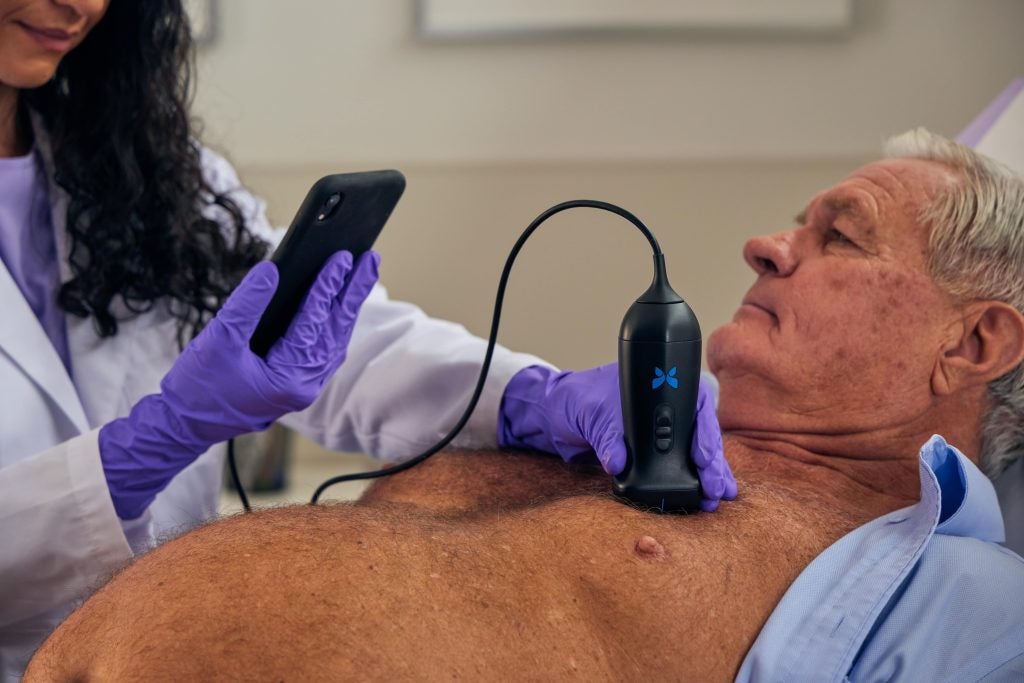
Butterfly has also advanced an ecosystem approach that extends value beyond hardware. Through the Butterfly Garden ecosystem, third‑party AI and software are integrated directly onto the platform. The HeartFocus collaboration is a case in point—bringing AI‑guided echocardiography to handheld probes expands use cases and contributes to recurring software value. Recognition by external organizations, including the 2024 Prix Galien USA award for Best Medical Technology and inclusion on TIME/Statista’s World’s Top HealthTech Companies 2025 list, has increased visibility with enterprise buyers while academic collaborations have de‑risked large‑scale POCUS expansion by providing peer‑reviewed evidence and real‑world results. Collectively, the platform’s financial trajectory, enterprise deployments, regulated international rollout, partner ecosystem, and documented clinical and operational outcomes explain why Butterfly earned top score in Imaging Platforms.
Company Profile
Butterfly Network, Inc. (NYSE: BFLY) is a healthcare company driving a digital revolution in medical imaging with its proprietary Ultrasound-on-Chip™ semiconductor technology and ultrasound software solutions. In 2018, Butterfly launched the world’s first handheld, single-probe, whole-body ultrasound system, Butterfly iQ. The iQ+ followed in 2020, and the iQ3 in 2024, each with improved processing power and performance by leveraging Moore’s Law.
Butterfly combines advanced hardware, intelligent software, AI, services, and education to drive adoption of affordable, accessible imaging. Clinical publications demonstrate that its handheld ultrasound probes paired with Compass™ enterprise workflow software, can help hospital systems improve care workflows, reduce costs, and enhance provider economics.
With a cloud-based solution that enables care anywhere through next-generation mobility, Butterfly aims to democratize healthcare by addressing critical global healthcare challenges. Butterfly devices are commercially available to trained healthcare practitioners in areas including, but not limited to, parts of Africa, Asia, Australia, Europe, the Middle East, North America and South America.
Contact Details
Liz Learned Snyder: media@butterflynetinc.com
Links
Website: https://www.butterflynetwork.com/


