
Researchers from the University of New South Wales (UNSW Sydney) in Australia have used gold-plated nanoparticles to detect low microRNA (miRNA) levels in blood samples.
The new approach is expected to help in identifying various diseases, including cancer.

Discover B2B Marketing That Performs
Combine business intelligence and editorial excellence to reach engaged professionals across 36 leading media platforms.
MiRNAs are short RNA molecules targeting certain messenger RNAs to prevent coding for a specific protein. Impaired miRNA activity is known to be associated with tumour formation and metastasis.
During the study, the researchers altered gold-coated nanoparticles using DNA to match the miRNA to be detected.
The magnetic nanoparticles were able to bind to the targeted miRNAs, thereby allowing easy extraction. This technique was found to be effective even in the case of little amounts of miRNA.
UNSW Sydney professor Justin Gooding said: “Now we get more of the microRNA because the dispersible electrodes capture nearly everything in the sample.

US Tariffs are shifting - will you react or anticipate?
Don’t let policy changes catch you off guard. Stay proactive with real-time data and expert analysis.
By GlobalData“Because the capture is so effective, we get higher sensitivities and can detect much lower limits. And since we bring them back to the electrode under a magnet, our response time is much faster.”
The new gold-plated nanoparticles method it is expected to cost less as it requires only 30 minutes compared to nearly 12 hours for quantitative polymerase chain reaction.
Apart from detecting lower miRNA amounts, the new technology is also said to be capable of identifying a variety of concentrations.
Gooding added: “We can do this very quickly compared with the gold-standard nucleic acid amplification methods. And we can do it in unprocessed blood.
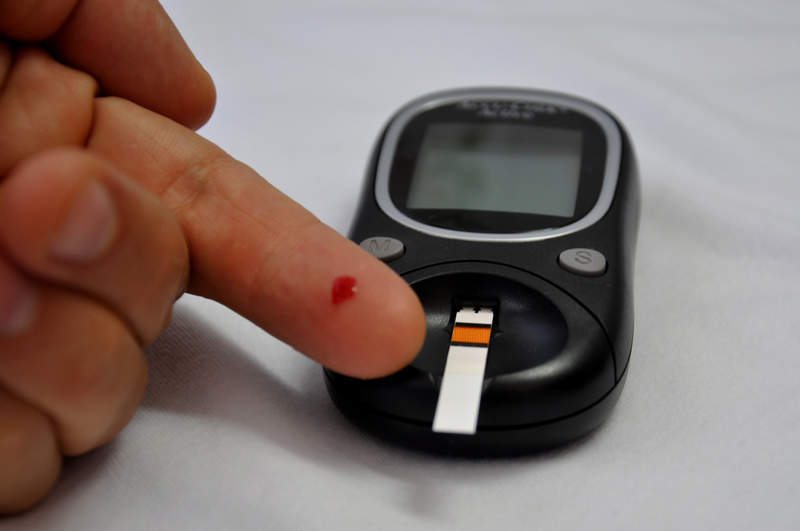
“What this means is the technology has the potential to determine the levels of microRNA just from a finger prick test.”
The new technique for cancer diagnosis is expected to be available within three years, subject to regulatory approvals.


