
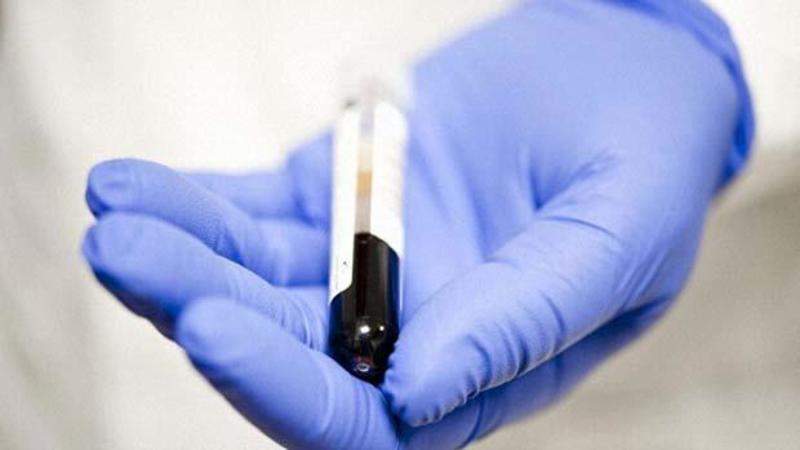
An international team of researchers has discovered a blood biomarker with the potential to help in detecting the risk of kidney cancer development much earlier than standard diagnosis.
The research was supported by Cancer Research UK, the International Agency for Research on Cancer (IARC) in France and the US’ National Institutes of Health (NIH).
Go deeper with GlobalData


Discover B2B Marketing That Performs
Combine business intelligence and editorial excellence to reach engaged professionals across 36 leading media platforms.
During the research, scientists analysed blood samples obtained as part of the EPIC study from 190 people who went on to develop kidney cancer and compared them with 190 controls who did not.
Based on the findings, it was concluded that blood levels of the KIM-1 protein can indicate the risk of a person developing kidney cancer over the next five years.
Higher levels of KIM-1 were observed to be associated with a greater risk of the disease and poor survival.
The researchers expect that a blood test for KIM-1 levels in combination with imaging can help confirm or rule out the cancer in the future.
Cancer Research UK-funded co-first author David Muller said: “This work is a big step forward; KIM-1 is the only blood biomarker shown prospectively to distinguish between people at high and low risk of kidney cancer. But there’s a lot more work to do before we could envisage this in the clinic.”
The scientists plan to carry out further studies to investigate if KIM-1 levels can help to detect tumours with good prognosis. They also intend to study the biomarker as a potential tool to monitor a patient’s response to treatment.
Early diagnosis of kidney cancer is considered beneficial as more than eight in ten people will survive for five years or above.
Statistics reveal that more than four in ten cases in England are diagnosed at a late stage. Only one in ten of such patients are known to survive the disease.



