
An international research team has developed a blood test that can detect certain types of cancer four years earlier than the existing standard diagnostic approaches.
The non-invasive test, called PanSeer, is designed to identify stomach, oesophagal, colorectal, lung and liver cancer.
Go deeper with GlobalData


Discover B2B Marketing That Performs
Combine business intelligence and editorial excellence to reach engaged professionals across 36 leading media platforms.
According to the researchers, the test was able to detect cancer in 91% of samples from people who were asymptomatic at the time of sample collection and were diagnosed with the disease one to four years later.
The blood test also demonstrated accuracy in detecting cancer in 88% of samples from 113 patients who were diagnosed when the samples were obtained. Further, the test also identified 95% of cancer-free samples.
To develop the test, the researchers were able to access blood samples from asymptomatic patients who had not yet been diagnosed. The samples were obtained as part of a ten-year longitudinal study started by Fudan University, China, in 2007.
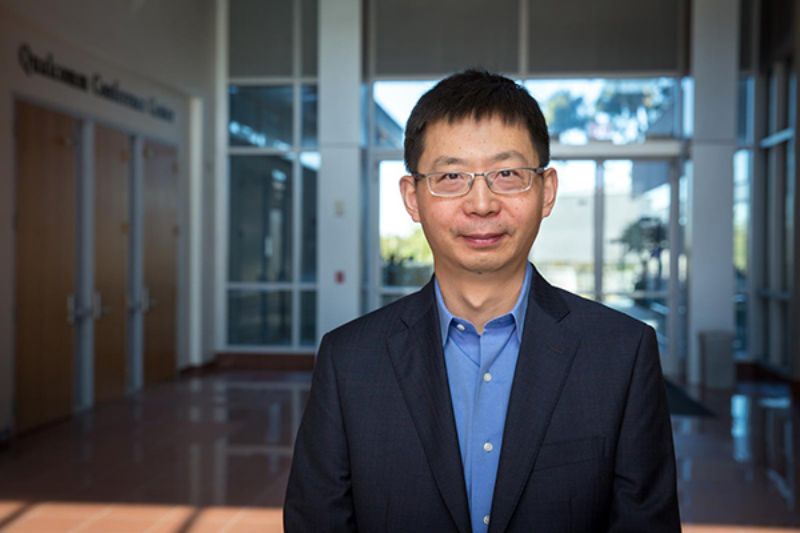
University of California San Diego bioengineering professor and study co-author Kun Zhang said: “The ultimate goal would be performing blood tests like this routinely during annual health checkups. But the immediate focus is to test people at higher risk, based on family history, age or other known risk factors.”
US Tariffs are shifting - will you react or anticipate?
Don’t let policy changes catch you off guard. Stay proactive with real-time data and expert analysis.
By GlobalDataEarly detection of cancer could help significantly increase the survival of patients because, at early stages, the tumour can be surgically removed or treated with medication, noted the researchers.
Currently, only a limited number of tests are available for early screening of a few types of cancer.
The findings from the research have been published by the team in Nature Communications journal. The team includes researchers from Fudan University and Singlera Genomics, a US and China-based startup.
Singlera Genomics is focused on commercialising the tests that build on advances made in Zhang’s bioengineering lab at the UC San Diego Jacobs School of Engineering.
The researchers added that the test may not be able to predict, which patients will develop cancer in the future. However, it could detect patients who already have cancerous growths but are asymptomatic for existing methods.
Large-scale longitudinal studies are required to validate the test’s potential for the early detection in pre-diagnosis individuals.



