
Researchers from Queensland University of Technology (QUT) in Australia are developing a new blood test to detect patients who are at risk of head and neck cancer metastasis.
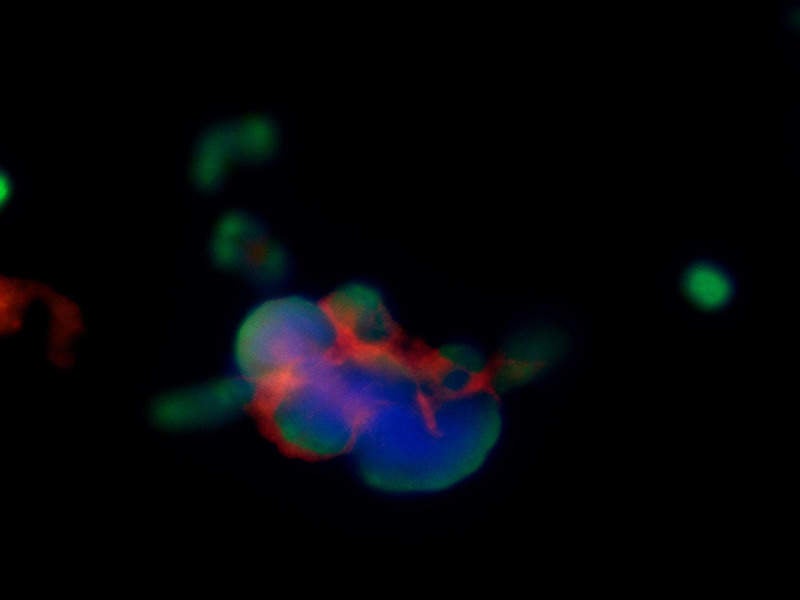
The simple test was developed after the researchers discovered clusters of circulating tumour cells (CTCs) in 15 blood samples out of the total 60 stage IV locally advanced head and neck cancer patients whose disease had not spread.
Go deeper with GlobalData


Discover B2B Marketing That Performs
Combine business intelligence and editorial excellence to reach engaged professionals across 36 leading media platforms.
These short-lived CTC clusters in such patient setting were found to be related to the cancer metastasis to other organs.
According to data from the preliminary study, six of the seven patients with CTC clusters developed lung or liver secondary cancers within six months.
However, it was observed that lack of CTCs or their clusters in head and neck cancer patients could indicate no systemic spread.
QUT Institute of Health and Biomedical Innovation associate professor Chamindie Punyadeera said: “This finding is potentially an important prognostic tool that could guide doctors’ choice of therapies as we move to personalised medicine for individual patients.

US Tariffs are shifting - will you react or anticipate?
Don’t let policy changes catch you off guard. Stay proactive with real-time data and expert analysis.
By GlobalData“This work has been expanded into lung cancers where there are more targeted therapies.”
The researchers further noted that the new test may be able to detect the risk of spreading up to six months before traditional imaging, including CT scans.
They attributed this early identification to micro-metastases, which in this case are CTC clusters, rather than a macro-metastasis analysed by the imaging methods.
For the research, the team partnered with US-based biomedical engineer who has developed a device to isolate single CTCs from CTC clusters in a blood sample of cancer patients.
The researchers are performing a longitudinal study, funded by a Federal Government Cancer Australia grant, in 100 patients in order to further investigate the findings.



