
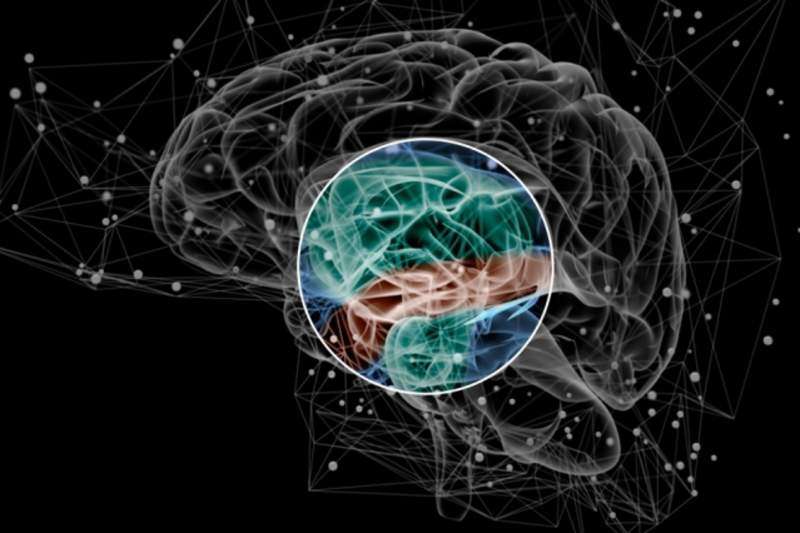
Neuroscientists at the Massachusetts Institute of Technology (MIT) have found a correlation between a brain activity pattern and the development of schizophrenia.
The research, conducted in alliance with Beth Israel Deaconess Medical Center, Brigham and Women’s Hospital and the Shanghai Mental Health Center, could lead to early diagnosis of the mental disorder.
Go deeper with GlobalData


Discover B2B Marketing That Performs
Combine business intelligence and editorial excellence to reach engaged professionals across 36 leading media platforms.
Currently, the condition lacks a definitive diagnostic approach and can be identified only after the first psychotic episode.
In the latest study, the team analysed 158 people aged 13-34 years who were identified as high-risk because they had early symptoms such as disordered thinking. It also involved 93 controls without any risk factors.
Initially, the researchers used functional magnetic resonance imaging (fMRI) to evaluate a type of brain activity associated with resting state networks, which communicate in the absence of any particular cognitive task.
One year later, 23 of the high-risk patients experienced a psychotic episode and were diagnosed with schizophrenia. It was observed that brain activity pattern in the scans of these individuals was different from the healthy controls and at-risk subjects who had not developed psychosis.
The researchers believe that this unique brain activity pattern can be an early indicator of the condition.
Study co-principal investigator Susan Whitfield-Gabrieli said: “That really gets at the heart of how we can translate this clinically, because we can get in earlier and earlier to identify aberrant networks in the hopes that we can do earlier interventions, and possibly even prevent psychiatric disorders”
The team is working on similar studies with younger at-risk populations. They intend to continue following the patients in the current study for any additional potential indicators.
Furthermore, the researchers are currently assessing early interventions, including cognitive behavioural therapy and neural feedback, to address schizophrenia symptoms.



