
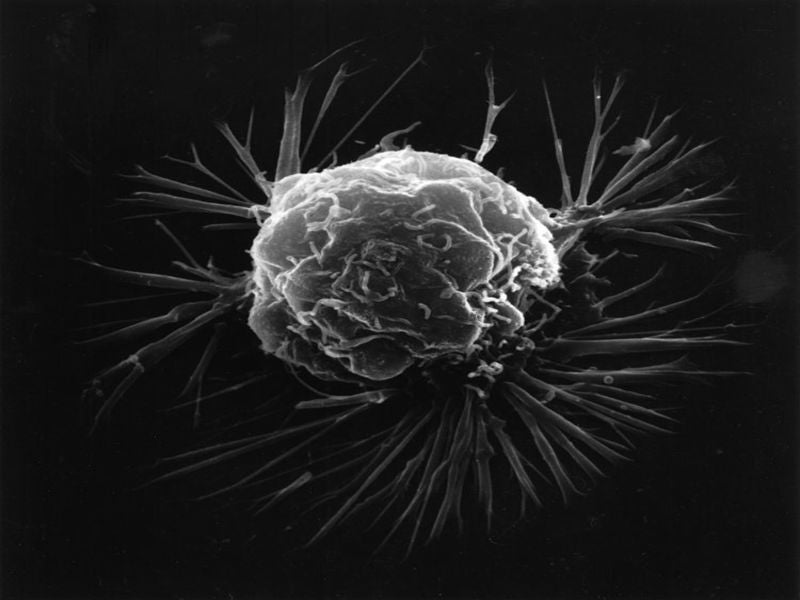
UK-based researchers at The Institute of Cancer Research (ICR) in London have developed a blood test that could predict a breast cancer patient’s response to a new drug at the beginning of treatment.
The test was able to identify genetic changes within the cancer, which suggested that the patient was less likely to respond to therapy and their disease could return quickly.
Go deeper with GlobalData


Discover B2B Marketing That Performs
Combine business intelligence and editorial excellence to reach engaged professionals across 36 leading media platforms.
While targeted drugs help many advanced breast cancer patients, some women stop responding in their early stages of treatment because their cancer evolves and becomes drug resistant.
The new test is expected to detect around 50% of patients with the most common form of breast cancer who are at the highest risk of early relapse and require further trial treatments to address cancer resistance.
In addition, the test could identify patients who will benefit well from treatment.
To study the effect of genetic changes in a woman’s tumour, the ICR team examined fragments of cancer DNA that entered the bloodstream.

US Tariffs are shifting - will you react or anticipate?
Don’t let policy changes catch you off guard. Stay proactive with real-time data and expert analysis.
By GlobalDataBlood samples were taken from 310 oestrogen receptor positive breast cancer patients who were participating in a clinical trial evaluating palbociclib and fulvestrant for advanced breast cancer.
Findings revealed that 131 women had one or more of three changes in the circulating tumour DNA in the bloodstream, which indicated their risk of early relapse.
Researchers observed that women with circulating tumour DNA that had changes in the p53 cancer gene had a recurrence after an average of 3.7 months, compared to 12.7 months in those without p53 gene changes.
Furthermore, a higher number of FGFR1 gene copies and a rise in the level of tumour DNA in the blood were found to reduce the average time before cancer recurrence.
Patients who had these changes in circulating tumour DNA experienced a return after an average of 3.9 months, compared to 12 months in women without the changes.
ICR molecular oncology professor Nicholas Turner said: “Our study found that a new genetic test could detect right at the start of treatment those women whose cancers were most likely to develop resistance quickly to palbociclib.
“We could then adjust their treatment plan accordingly, trialling additional treatments from the outset to try and prevent resistance, or planning for a switch to another treatment as soon as resistance develops.”
The blood test will be assessed in multiple clinical trials before it could be available for use in the clinic.



