
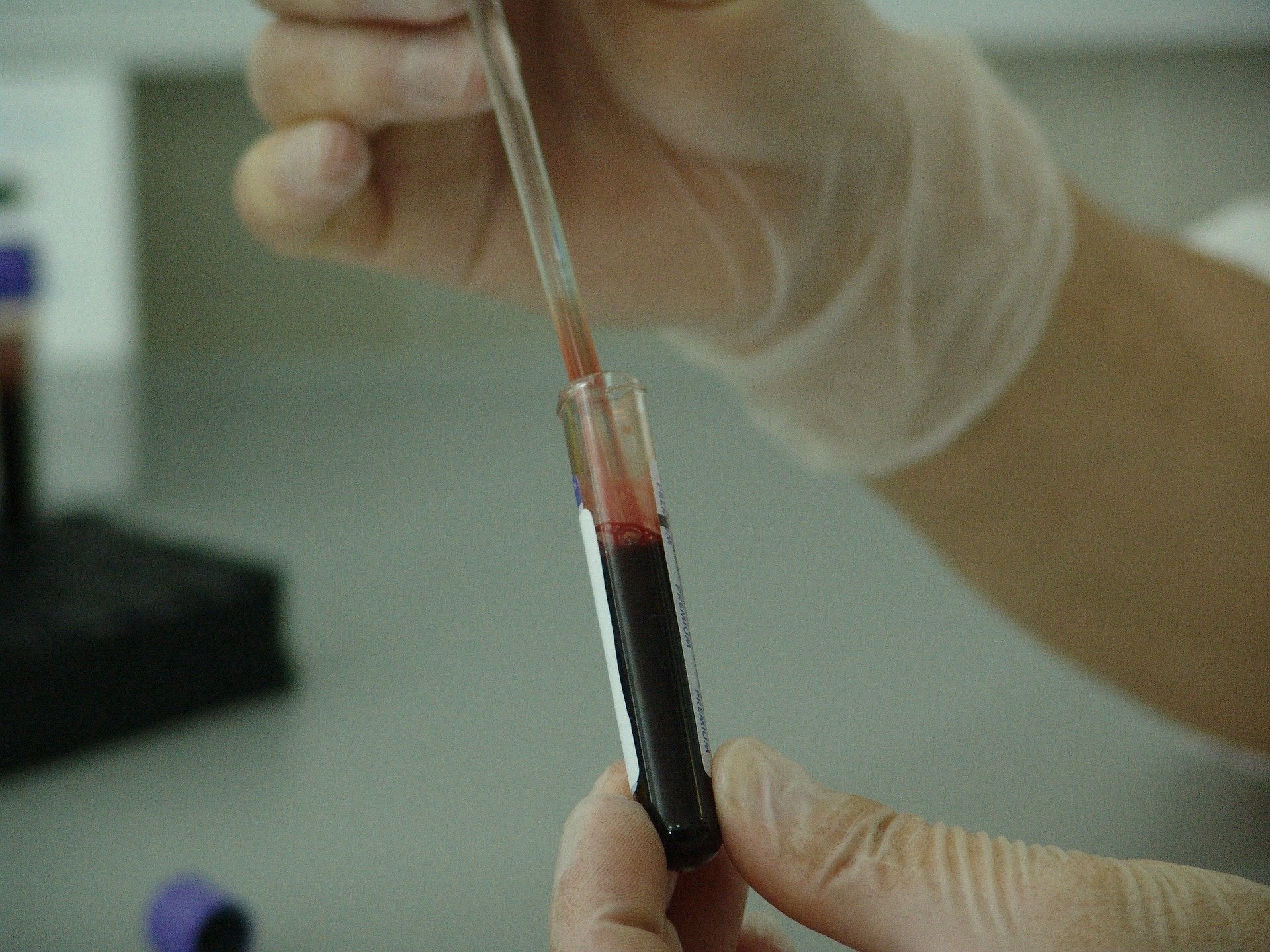
Scientists at Cancer Research UK are developing tests to identify glioma, a type of brain tumour, from the urine or blood plasma sample of a patient.
The surgical procedure for brain tumour removal is associated with increased chances of recurrence, and hence requires a magnetic resonance imaging (MRI) scan every three months followed by a biopsy on detecting evidence of cancer.

Discover B2B Marketing That Performs
Combine business intelligence and editorial excellence to reach engaged professionals across 36 leading media platforms.
To aid in easy monitoring, scientists are seeking ways to identify cancer using liquid biopsies, which use blood, urine or other fluid samples.
When brain tumour cells die, they shed mutated DNA called cell-free deoxyribonucleic acid (cfDNA).
cfDNA with mutations similar to the original tumour is known to be present in blood and other body fluids, such as urine, in reduced levels, the researchers noted.
The researchers developed two methods to address the challenge of identifying cfDNA from a brain tumour.
US Tariffs are shifting - will you react or anticipate?
Don’t let policy changes catch you off guard. Stay proactive with real-time data and expert analysis.
By GlobalDataOne approach checks for specific DNA errors in patients with removed and biopsied glioma.
The team created a test that can detect specific mutations present in the tumour biopsy within cfDNA from urine, cerebrospinal fluid (CSF) or blood plasma of the patient.
On analysis, the test identified cfDNA in seven out of eight CSF samples, ten out of the 12 blood plasma samples and ten out of 16 urine samples.
The team said that they could detect mutations even in the tiny amounts of cfDNA present in the blood plasma and urine.
Meanwhile, the second approach uses an algorithm to detect patterns in the cfDNA that could also signify the presence of a tumour, without needing to look for specific mutations.
The research team found in an analysis that the cfDNA fragments in blood or urine samples of brain tumour patients varied in size compared to those with non-malignant brain disorders or healthy people.
By incorporating this data into a machine learning algorithm, the team was able to distinguish between the urine samples of individuals with and without glioma.
Though the machine learning test is cost-effective, simple and does not require a biopsy, it has reduced sensitivity and specificity when compared to the sequencing approach.
Cancer Research UK chief executive Michelle Mitchell said: “While this is early research, it’s opened up the possibility that within the next decade we could be able to detect the presence of a brain tumour with a simple urine or blood test.”
Even though the research is currently in its early stages, with low numbers of patients analysed, the results are favourable, the team noted.
Cancer Research UK added that this research is the first to identify glioma signs in urine samples.
The researchers plan to compare these two tests to MRI scans in a trial with brain tumour patients who are in remission.


