
Researchers from the NeuroCure Clinical Research Centre in Berlin, Germany, have used deep transcranial magnetic stimulation (dTMS) to significantly reduce symptoms of fatigue in patients with multiple sclerosis (MS). The pilot study suggests that TMS is a safe treatment option for MS suffers.
Professor Dr Friedemann Paul, the study’s principal investigator, said: “We observed no serious side effects in patients treated with dTMS, and it is therefore worth stressing the tolerability of this non-invasive electrophysiological technique.”

Discover B2B Marketing That Performs
Combine business intelligence and editorial excellence to reach engaged professionals across 36 leading media platforms.
A large percentage of MS patients experience fatigue as one of their most troublesome symptoms. Around 90% of MS sufferers report severe fatigue symptoms and this can have a serious impact on their work and social life. Many of them are forced to give up work due to extreme tiredness. There are currently limited treatment options and no licensed pharmaceutical treatments are available.
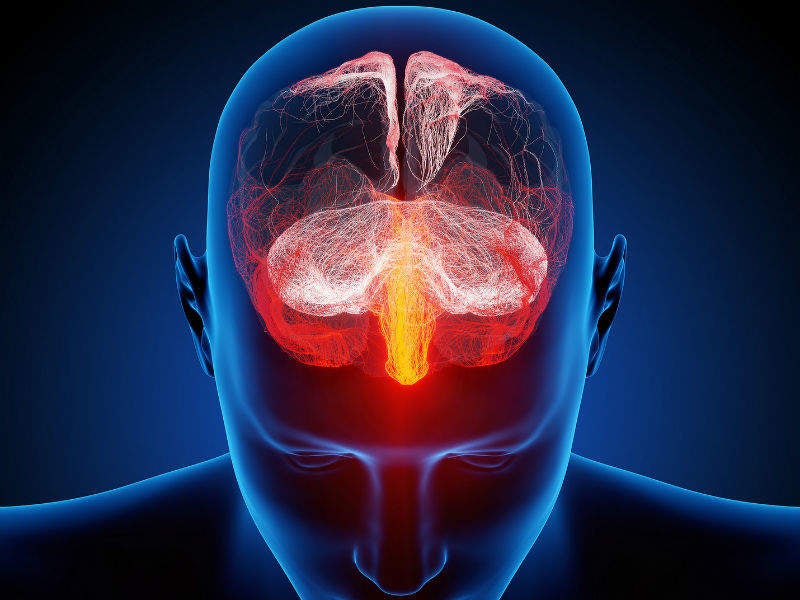
dTMS is a non-drug and non-invasive brain stimulation technique. It is more commonly used in the diagnosis and treatment of a range of neurological and psychiatric disorders such as depression. The technique works by activating the neuronal circuits at the stimulation site by placing a coil on the patient’s scalp which then generates pulsed magnetic fields.
The study involved 33 participants who received three dTMS sessions a week for a duration of six weeks. A control group received a placebo treatment. The results showed that the treatment produced significant improvements in the fatigue symptoms of patients.
Paul’s team claims that the study’s success was due to the use of a new type of H-coil which was specifically developed for it by Brainsway. The proprietary H-coil allows brain stimulation that is three times deeper than that of standard TMS. The magnetic fields generated by the coils are capable of reaching 4cm beneath the surface of the skull.
US Tariffs are shifting - will you react or anticipate?
Don’t let policy changes catch you off guard. Stay proactive with real-time data and expert analysis.
By GlobalDataBrainsway CTO Ronen Segal said: “We are excited about the collaboration between Professor Dr Friedemann Paul and his team at Charité’s NeuroCure and Brainsway for studying the use of our patented deep TMS technology for the benefit of MS patients, a new neurological field for us. These promising results of relieving the very hard to treat fatigue symptoms in MS bring a new hope for being able to provide a solution for the many patients who need it.”
A follow-up study involving a larger number of participants is being planned. This will be used to verify the efficacy of this treatment method. If successful, the researchers will recommend dTMS for MS-associated fatigue into routine clinical practice.


