
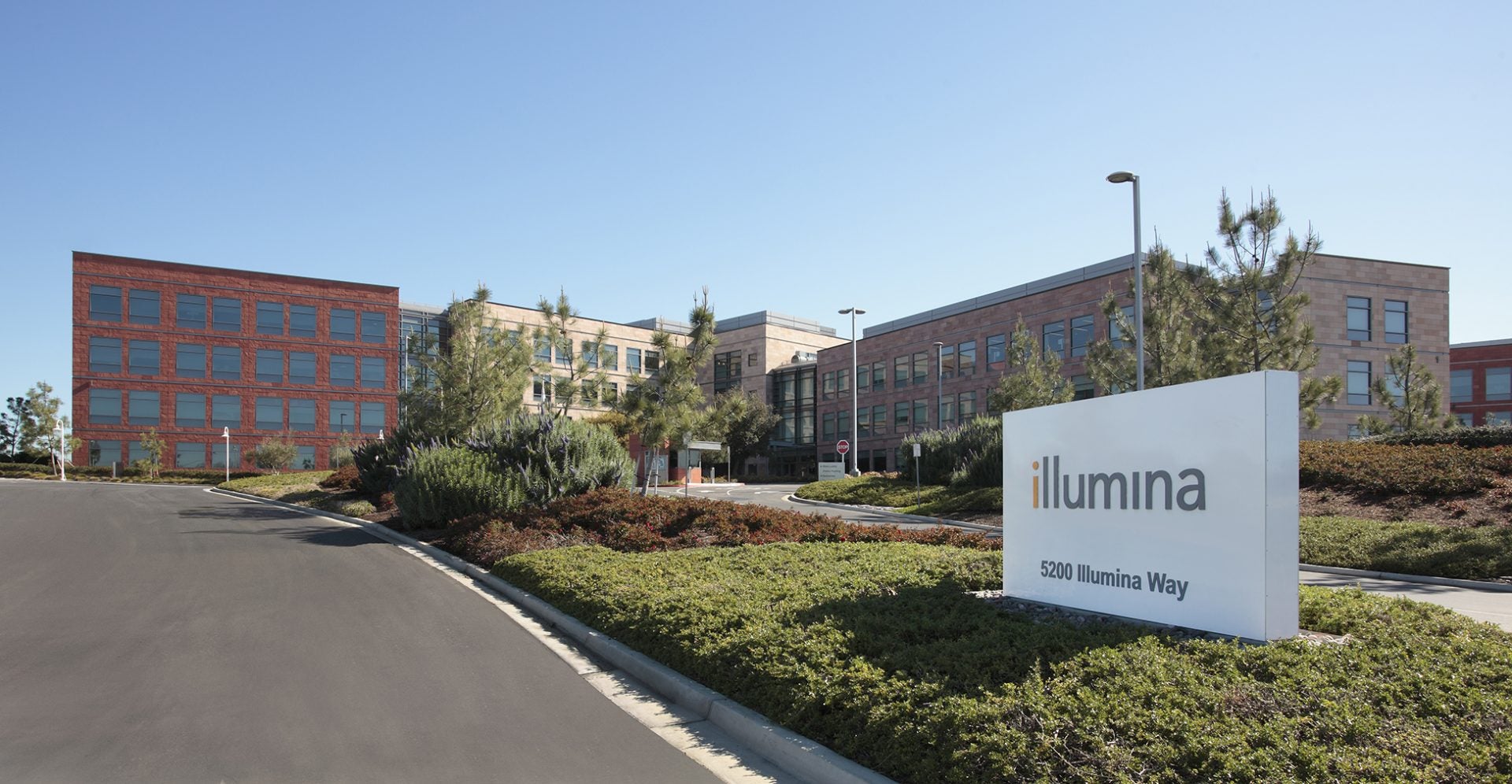
The European Commission (EC) has launched an in-depth inquiry to evaluate Illumina’s proposed acquisition of cancer tests maker, GRAIL, under the European Union (EU) Merger Regulation.
In September last year, Illumina signed a definitive agreement to acquire GRAIL for cash and stock consideration of $8bn.

Discover B2B Marketing That Performs
Combine business intelligence and editorial excellence to reach engaged professionals across 36 leading media platforms.
The commission noted that the investigation will check if the acquisition will lower competition and innovation in the emerging market for developing and marketing next-generation sequencing (NGS)-based cancer detection tests.
The move comes after France, Belgium, Greece, Iceland, the Netherlands and Norway sought EC evaluation of the planned GRAIL acquisition in April.
European Commission executive vice-president Margrethe Vestager said: “It is very important to preserve market conditions allowing the best solutions to emerge for the tests to ultimately reach the market at affordable prices, for the benefit of patients.
“We have today opened an in-depth investigation precisely to assess whether the proposed transaction, which will combine the activities of Illumina and GRAIL, would threaten the ability of developers of cancer detection tests to effectively compete in this area and bring innovative products to the market.”
Citing a preliminary probe, the commission noted concerns about the acquisition as Illumina could become involved in vertical input foreclosure plans, due to its expertise in the NGS systems, and have an economic incentive to foreclose rivals of GRAIL.
These strategies could adversely affect GRAIL’s rivals and, consequently, European patients by obstructing innovation as well as lowering choices, advanced features and product performance while raising barriers to enter the field of NGS-based tests for cancer detection.
Illumina noted that the company is challenging the EC’s jurisdiction to investigate the deal.
The company alleged that the EC reversed decades of merger policy in asserting jurisdiction under the EU Merger Regulation seven months after the acquisition had been announced.
Illumina general counsel Charles Dadswell said: “The Commission’s unprecedented decision to assert jurisdiction to review this transaction between two US-based companies leaves businesses around the world uncertain as to how the EU Merger Regulation will be applied in the future.”
In April, the US Federal Trade Commission filed an administrative complaint and authorised a federal court to block Illumina’s proposed acquisition of Grail, claiming the deal will harm competition in the US market for early-stage cancer diagnostics.


