
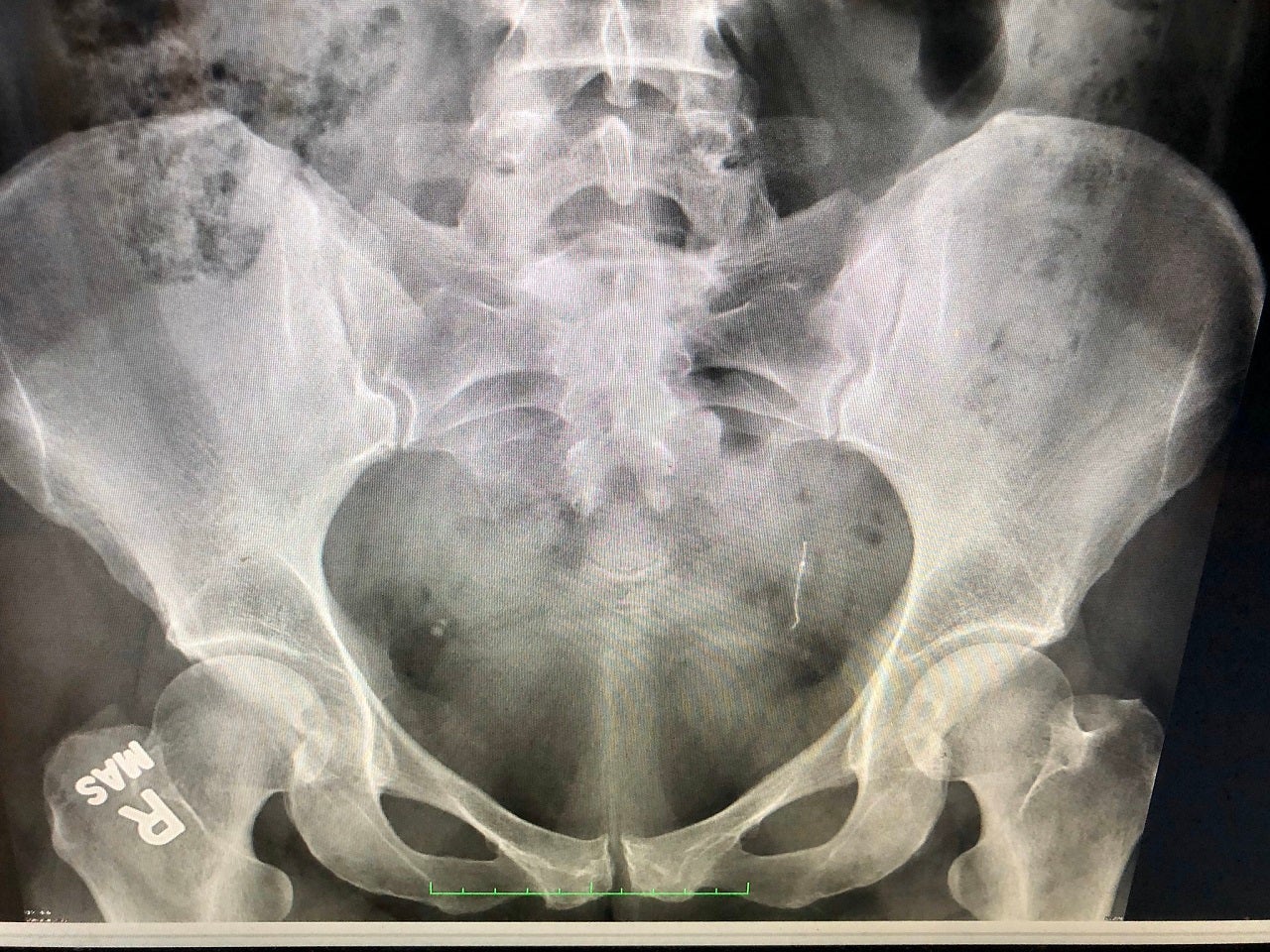
Bayer has posted its second quarterly analysis of adverse event information about its Essure contraceptive implant, culled from social media posts.
The analysis shows reports of 11,830 serious injuries, 45 malfunctions and nine deaths, most of which are linked to potential removal of the implant.
Go deeper with GlobalData


Discover B2B Marketing That Performs
Combine business intelligence and editorial excellence to reach engaged professionals across 36 leading media platforms.
The analysis covers reports from September, October and November 2020, and contains more reports of serious injuries but fewer reports of deaths than the previous quarter.
The US Food and Drug Administration (FDA) requires Bayer to process all the reportable adverse events it becomes aware of via social media, as outlined in the 24 April 2020 variance from medical device reporting (MDR) requirements.
This is something done at the company’s request, amid thousands of reports of complications linked to the device and tens of thousands of lawsuits.
Bayer voluntarily pulled the Essure device from the US market in 2018.
US Tariffs are shifting - will you react or anticipate?
Don’t let policy changes catch you off guard. Stay proactive with real-time data and expert analysis.
By GlobalDataThe company maintained that this was a purely financial decision spurred by the “inaccurate and misleading” publicity around the device, rather than due to safety concerns.
Essure is a permanent female sterilisation device designed as an alternative to invasive tubal ligation procedures.
The implant consists of metal coils and is designed to be inserted vaginally through the cervix and uterus into the fallopian tubes.
Once in place, the coils are designed to block the passage of eggs into the uterus, as scar tissue gradually forms around them and seals them in place permanently.
The FDA has urged caution about the data, stating that it is based on social media posts, and reports may not represent new adverse events.
“Limited information prevents the ability to draw any conclusions as to whether the device, or its removal, caused or contributed to any of the reported deaths or other events in the reports,” the agency said.
Bayer echoed this sentiment in its report, saying: “Although MDRs are a valuable source of information, this passive surveillance system has limitations, including the potential submission of incomplete, inaccurate, untimely, unverified, or biased data.
“In addition, the incidence or prevalence of an event cannot be determined from this reporting system alone due to under-reporting of events, inaccuracies in reports, lack of verification that the device caused the reported event, and lack of information about frequency of device use.”
Bayer has reached agreements in principle to resolve around 99% of the nearly 40,000 Essure claims it faces in the US relating to device-related injuries.
Resolving the claims is likely to cost the company around $1.6bn.



