
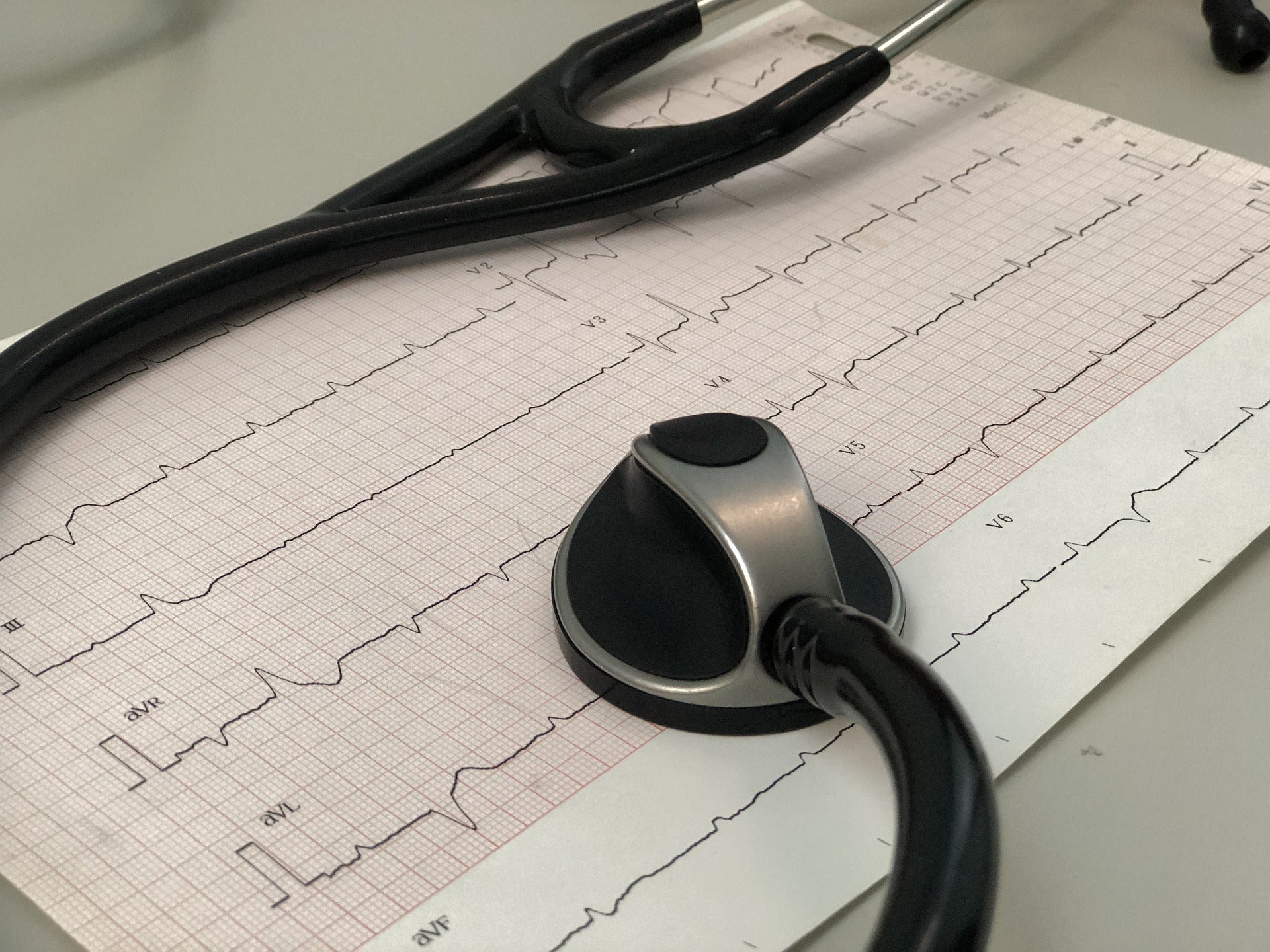
The US Food and Drug Administration (FDA) has granted 510(k) clearance to AliveCor’s electrocardiogram (ECG) device, KardiaMobile 6L, for the measuring of QTc interval in patients by healthcare experts.
KardiaMobile 6L is the first-ever handheld ECG device to receive FDA approval for QTc measurement, the company noted.

Discover B2B Marketing That Performs
Combine business intelligence and editorial excellence to reach engaged professionals across 36 leading media platforms.
A heart rate corrected interval, QTc indicates the integrity of the electrical recharging system of the heart.
With this latest approval, healthcare professionals can use the KardiaMobile 6L device to get an ECG in 30 seconds, which can be used to manually calculate QT intervals in patients.
AliveCor noted that an ECG can be quickly and conveniently obtained using this device at a healthcare professional’s office or even remotely by the patient.
In March 2020, KardiaMobile 6L technology received FDA approval to measure QTc and detect potentially dangerous QT prolongation in Covid-19 patients.
AliveCor CEO Priya Abani said: “Patient safety is paramount, and this is why we are proud to offer physicians the ability to monitor QTc through the convenience and quality of our device.
“It is our hope that this important FDA clearance will help healthcare professionals identify and save patients from this potentially life-threatening condition.”
Apart from the KardiaMobile 6L, AliveCor also provides the InstantQT service, which calculates QT intervals rapidly and precisely using FDA-cleared, ECG processing software.
The service can be used by healthcare professionals to identify serious QT prolongations in patients.
In a separate development, the FDA has granted 510(k) clearance to Fujifilm’s latest image enhancement technology, the Oxygen Saturation Endoscopic Imaging System.
The system can enhance visualisation during gastrointestinal, colorectal and advanced endoscopy as well as surgical procedures.
Leveraging laparoscopic and/or endoscopic imaging, the new technology facilitates real-time visualisation of haemoglobin oxygen saturation (StO₂) levels present in tissues.
Measuring StO₂ levels aids surgeons in the detection of potentially ischemic tissue and the prevention of tissue necrosis.


