
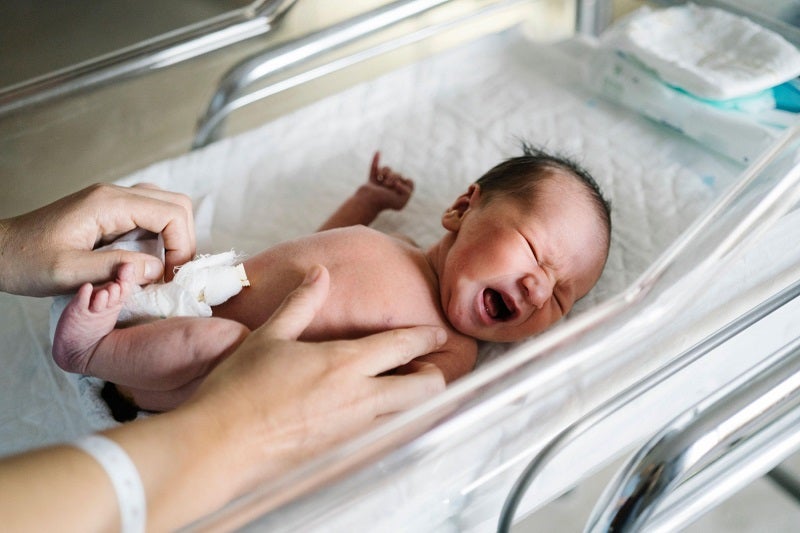
A University of Manchester-based start-up in the UK, Genedrive, has developed a new genetic test, the Genedrive System, to prevent babies from going deaf.
The bedside machine takes 25 minutes and helps find whether a baby admitted to intensive care with a critical illness has a gene that can result in permanent hearing loss if the common emergency antibiotic known as Gentamicin is used for treatment.

Discover B2B Marketing That Performs
Combine business intelligence and editorial excellence to reach engaged professionals across 36 leading media platforms.
Gentamicin is an antibiotic that is given within 60 minutes to patients admitted to intensive care. It is used for the treatment of approximately 100,000 babies each year.
The world-first genetic swab test technique is expected to replace a test that takes several days and could save nearly 180 babies from going deaf in England alone every year.
It helps find babies with the genetic variant and allows an alternative antibiotic to be given within 60 minutes.
The NHS and NHS Genomic Medicine Service Alliance will now explore ways to launch the technology as part of a clinical service through the NHS Genomic Medicine Service, following completion of the Pharmacogenetics to Avoid Loss of Hearing (PALoH) study.
US Tariffs are shifting - will you react or anticipate?
Don’t let policy changes catch you off guard. Stay proactive with real-time data and expert analysis.
By GlobalDataUniversity of Manchester translational genomic medicine professor Bill Newman said: “I am absolutely thrilled with the success of the study, and that this testing is now going to be used in three of our Trust’s Neonatal Intensive Care Units – it’s actually going to make a real difference so babies are not going to lose their hearing for a preventable reason.
“The trial demonstrated that you can deploy rapid genetic testing in a clinical setting and that the tests can be carried out within the ‘golden hour’ when severely unwell babies should be treated with antibiotics.”
The Manchester University NHS Foundation Trust (MFT) hospitals’ neonatal units will start routinely using the new assay within weeks.


