
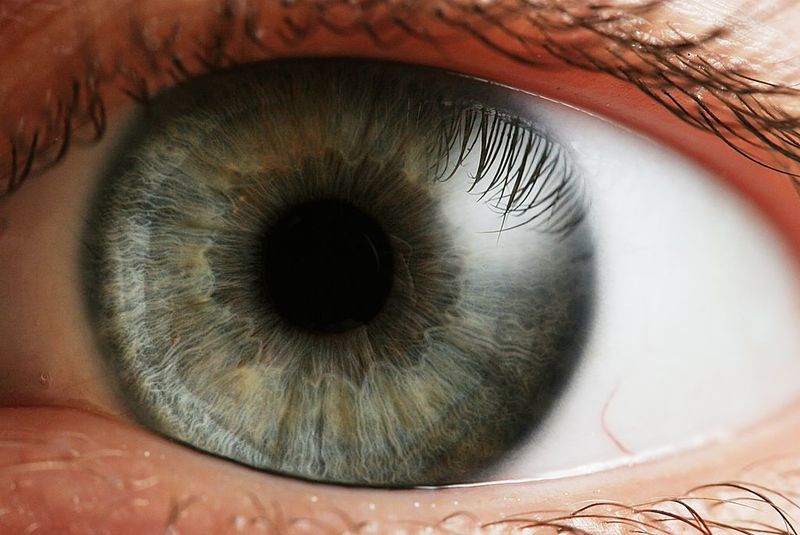
Google has partnered with its sister company Verily to launch a screening programme that will leverage artificial intelligence (AI) to detect two eye diseases, diabetic retinopathy (DR) and diabetic macular oedema (DMO), in India.
Oedema refers to the swelling of body parts that occurs when small blood vessels leak fluid into nearby tissues. DMO is the most common cause of sight loss in diabetics.
Go deeper with GlobalData

Discover B2B Marketing That Performs
Combine business intelligence and editorial excellence to reach engaged professionals across 36 leading media platforms.
The project will use a machine learning algorithm developed by the companies to facilitate automated screening for early identification of diseases and to offer expanded access to screening.
Designed to analyse eye images, the algorithm delivers quick feedback, based on which patients can be referred to an eye care physician.
Google and Verily have implemented the retinal diagnostic research programme at Aravind Eye Hospital and Sankara Nethralaya in Tamil Nadu, India.
Studies performed at these organisations showed that the machine learning algorithm’s performance was on par with an assessment of medical images by general ophthalmologists and retinal specialists.
US Tariffs are shifting - will you react or anticipate?
Don’t let policy changes catch you off guard. Stay proactive with real-time data and expert analysis.
By GlobalDataAravind Eye Hospital chief medical officer Dr R Kim said: “By integrating Verily and Google’s retinal diagnostic programme into our screening process, we can improve our efficiency, giving physicians like myself more time to work closely with patients on treatment and management of their disease while increasing the volume of screenings we can perform.”
As well as the clinical use of the AI screening approach, the partners are evaluating the algorithm’s safety and effectiveness.
Google and Verily intend to continue their work with Aravind Eye Hospital vision centres to further adopt the AI technology for settings that do not have access to specialists.
The algorithm had already undergone multiple assessments, along with comprehensive regulatory and quality reviews. It secured the European CE-Mark, allowing its use in the real world to screen for eye diseases.
In December last year, the partners launched a similar screening programme in Thailand, in alliance with Rajavithi Hospital, to detect diabetic retinopathy using the algorithm.
The companies will also partner with Nikon and its subsidiary Optos to expand their AI screening programme to other geographies and settings.
Additional reporting by Charlotte Edwards.



