
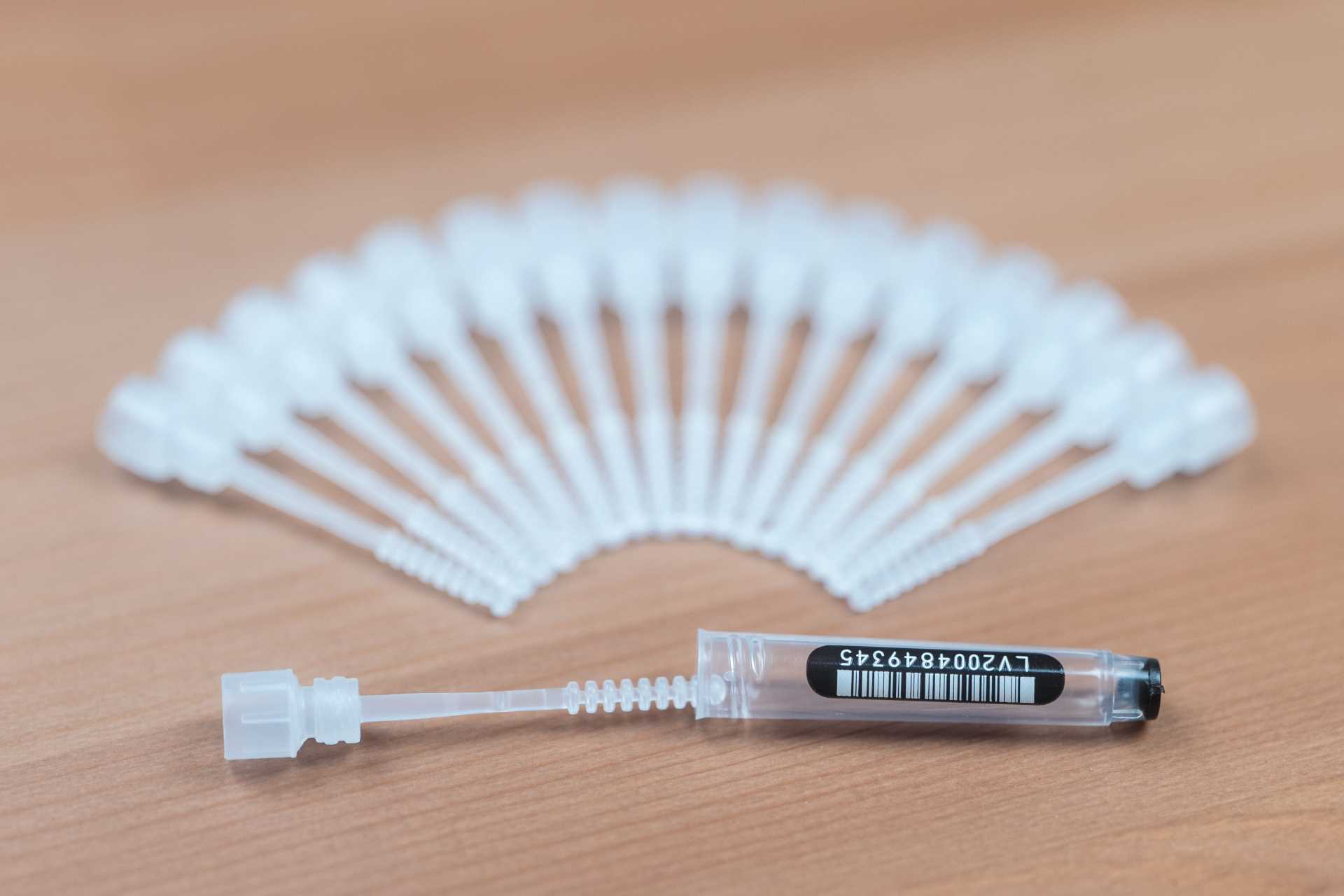
The Wyss Institute for Biologically Inspired Engineering at Harvard University has licensed its sample collection swab and high-throughput automation technologies to US-based start-up Rhinostics.
The combined technologies could cut down the effort and time needed for Covid-19 testing by ten times and enable potential diagnostics for various respiratory diseases.
Go deeper with GlobalData


Discover B2B Marketing That Performs
Combine business intelligence and editorial excellence to reach engaged professionals across 36 leading media platforms.
Rhinostics will advance the development and marketing of automated and multiplexed solutions to process nasal specimens obtained from Covid-19-suspected individuals or those with any respiratory infectious diseases.
Rhinostics CEO Cheri Walker said: “Covid-19 has shined a light on the need for novel materials and innovation to allow laboratories to bring in more samples, faster.
“The elegant solution developed by the Harvard teams brings needed change to this segment of the laboratory workflow.”
The new technology was developed by scientists from the Wyss Institute in partnership with Harvard Medical School (HMS).
Regular nasal swabs are produced in two parts using various materials, which require assembling, sterilisation and packaging in a multi-stage, time-consuming process that can be expensive.
The Wyss Institute noted that their swabs are made from only one material through injection moulding and can be produced in bulk in a single-step process. This quick and cost-effective manufacturing method is commonly utilised by medical device makers globally.
This new nasal swab design was demonstrated to be efficient in obtaining genetic RNA material from the Covid-19 virus from people’s nasopharynx in tests carried out by academic collaborators and teaching hospitals. It was also found to be more comfortable than current commercially available devices.
HMS systems biology associate professor Michael Springer said: “This new swab performs comparably to other swabs in its ability to collect specimens, but due to its design that allows for low-volume elution without interfering with the swab material, it has superior performance in extraction-free methods.
“It enables us to improve the performance of a number of different assays, including rapid antigen tests, while offering the additional benefits of high-throughput accessioning and automation in centralised labs.”
Separately, the University of Utah, ARUP Laboratories and Techcyte have partnered to develop a rapid, easy-to-administer SARS-CoV-2 antibody test called NanoSpot.AI.



