
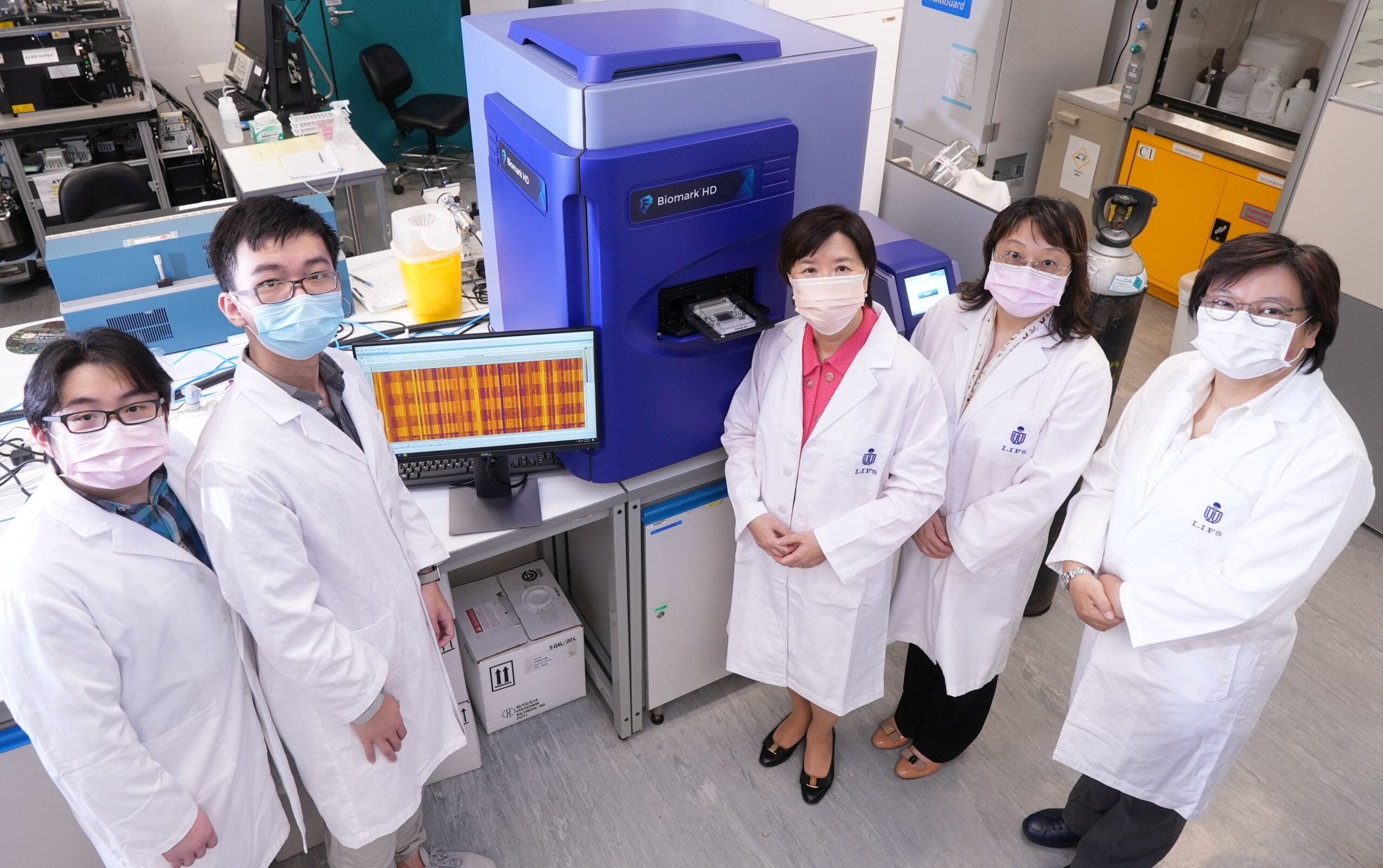
An international team of researchers led by the Hong Kong University of Science and Technology (HKUST) has created a blood test to detect and screen for Alzheimer’s disease early.
The researchers used Chinese patient data to develop the simple test.
Go deeper with GlobalData


Discover B2B Marketing That Performs
Combine business intelligence and editorial excellence to reach engaged professionals across 36 leading media platforms.
Alzheimer’s is characterised by the dysfunction and loss of brain cells. It impacts more than 50 million people globally and is known to affect the brain a minimum of ten to 20 years before the appearance of symptoms.
At present, doctors primarily use cognitive tests to diagnose Alzheimer’s. Brain imaging and lumbar puncture are two other common approaches used to identify changes in the brain caused by the disease.
But these techniques are costly, invasive and not commonly available in several countries, the HKUST researchers noted.
The team recognised 19 out of the 429 plasma proteins associated with Alzheimer’s to form a biomarker panel that acts as an ‘Alzheimer’s disease signature’ in the blood.
Using this panel, a scoring system is developed to differentiate Alzheimer’s patients from healthy people with an accuracy of above 96%.
In addition, the system can distinguish the early, intermediate and late stages of the disease, as well as facilitate the tracking of disease progression over time.
Apart from diagnosis, the blood test is expected to aid in the development of new treatments for Alzheimer’s.
HKUST research and development vice-president professor Nancy Ip said: “With the advancement of ultrasensitive blood-based protein detection technology, we have developed a simple, non-invasive and accurate diagnostic solution for Alzheimer’s disease, which will greatly facilitate population-scale screening and staging of the disease.”
An ultrasensitive and high-throughput protein measurement technology called proximity extension assay (PEA) was used to analyse the levels of more than 1,000 proteins in the plasma of Alzheimer’s patients in Hong Kong.
The research was carried out in collaboration with University College London scientists and clinicians at local hospitals, including the Prince of Wales Hospital and Queen Elizabeth Hospital.
The team published its work in Alzheimer’s & Dementia: The Journal of the Alzheimer’s Association.



