
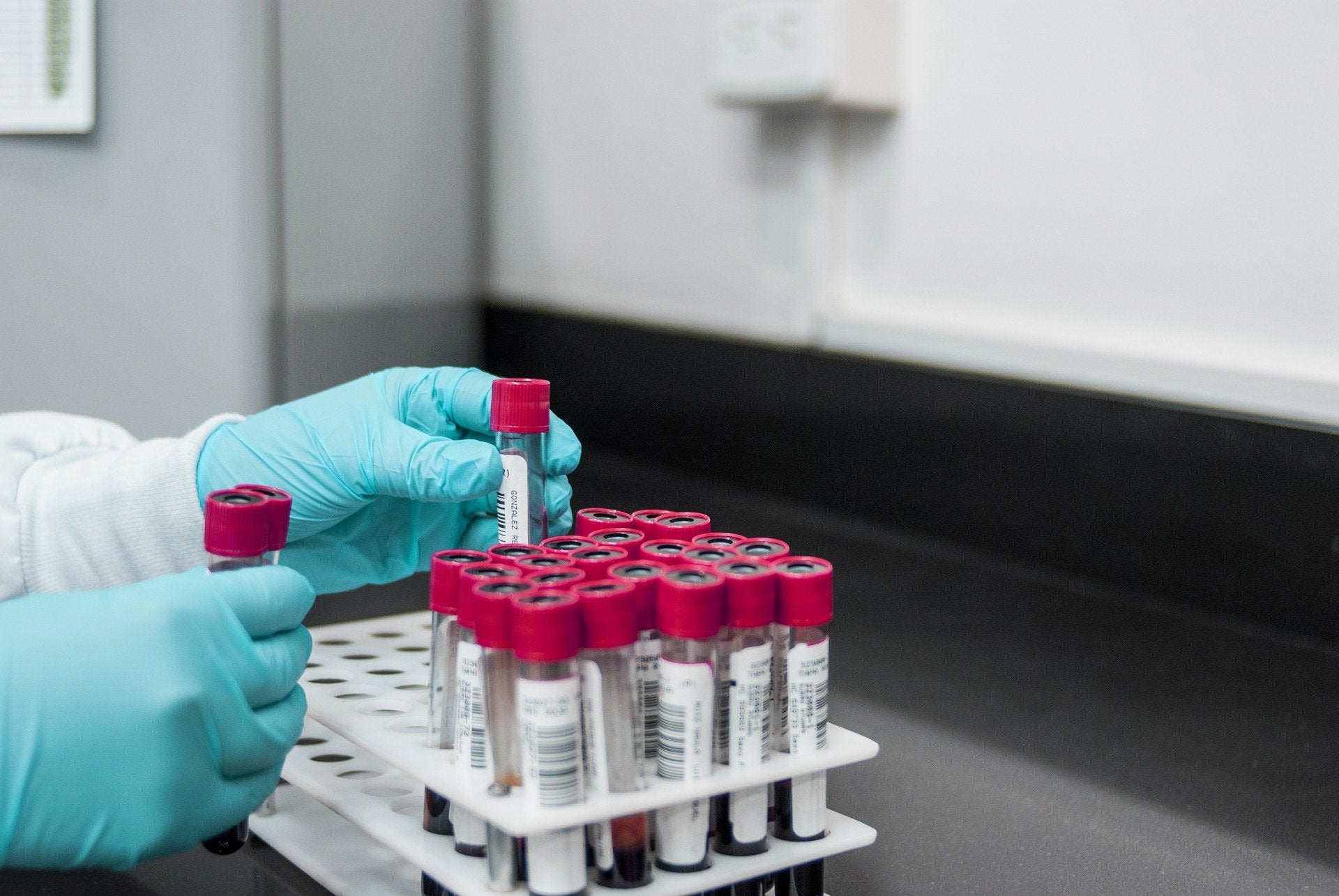
A team of researchers at the Indian Institute of Science (IISc) has created a diagnostic test for identifying sickle cell disease (SCD) and sickle cell trait (SCT).
A genetic disorder of the red blood cells, SCD causes recurrent episodes of debilitating pain.
Go deeper with GlobalData


Discover B2B Marketing That Performs
Combine business intelligence and editorial excellence to reach engaged professionals across 36 leading media platforms.
Additional symptoms can include chronic anaemia, acute chest syndrome, stroke, splenic and renal dysfunction, pain crises and susceptibility to bacterial infections.
The test was developed by a team led by IISc professor Sai Siva Gorthi in partnership with Dr Nisanth Nambisson from the Government Homeopathy medical college (GHMC), Bhopa, India.
It could become a low-cost alternative to high-performance liquid chromatography (HPLC) analysis, which is time-consuming as well as being priced between $5.39 (Rs400) and $9.43 (Rs700).
Named HPOS, the absorbance spectroscopy-based test leverages an algorithm based on machine learning to classify samples.
It utilises low-cost reagents and a movable spectrometer to deliver results in 15 minutes.
The clinical trials of the HPOS test are being conducted along with GHMC and the Indian Council of Medical Research (ICMR) National Institute of Research on Tribal Health, Jabalpur.
The technology of the test was licensed by an IISc incubated company, Shanmukha Innovations, which is working on making the diagnostic test available under the SickleFind and SickleCertn brands in India.
In addition, the researchers are seeking patent protection for the technology.
At present, India has more than a million patients with SCD, which accounts for more than 50% of SCD patients in the world.
The condition is most widespread in tribal communities in the central Indian belt, which ranges from south-eastern Gujarat to south-western Odisha.
Furthermore, about 200,000 babies are born with SCD each year, the IISc noted.
As the sickle gene is common among many tribal people in India, with the occurrence of the SCT ranging from 1% to 40%, it is vital to test the population for SCT to reduce the disease prevalence.



