
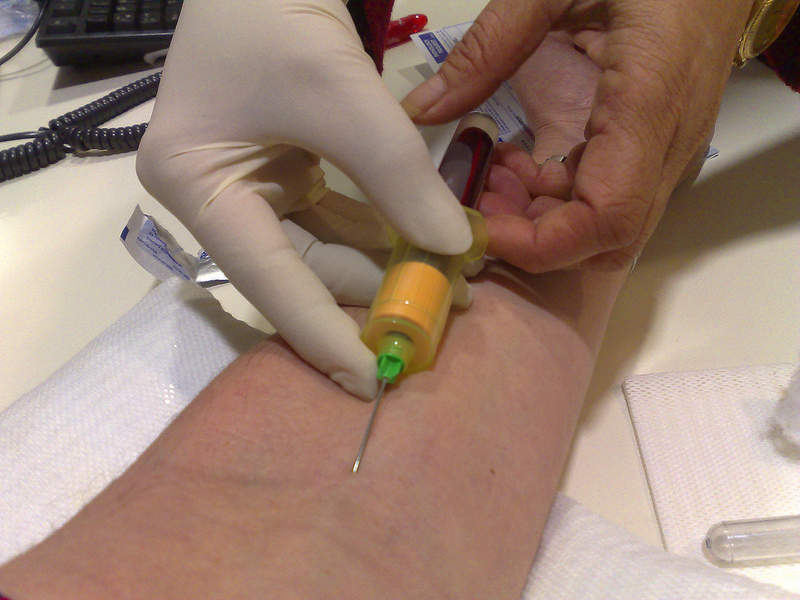
Researchers at Johns Hopkins Kimmel Cancer Center in the US have developed the CancerSEEK blood test that can detect cancer cells in the ovaries, liver, stomach, pancreas, oesophagus, colon, rectum, anus, lungs and breasts.
This non-invasive, multianalyte test is able to simultaneously assess blood’s circulating DNA for eight types of cancer proteins and cancerous gene mutations. Five of the diseases previously had no existing diagnostic test.
Go deeper with GlobalData


Discover B2B Marketing That Performs
Combine business intelligence and editorial excellence to reach engaged professionals across 36 leading media platforms.
Johns Hopkins Kimmel Cancer Center oncology and pathology professor Nickolas Papadopoulos said: “The use of a combination of selected biomarkers for early detection has the potential to change the way we screen for cancer, and it is based on the same rationale for using combinations of drugs to treat cancers.”
The research team conducted a study for CancerSEEK in 1,005 patients suffering from one of the eight non-metastatic cancers in stages I to III.
Results indicated greater than 99% specificity for cancer and a median overall sensitivity of 70%. The test is reported to have yielded only seven false-positives out of the total 812 healthy controls.
The new test is designed to use machine learning to accurately identify the location of a tumour.
Johns Hopkins Kimmel Cancer Center oncology and biostatistics associate professor Cristian Tomasetti said: “A novelty of our classification method is that it combines the probability of observing various DNA mutations together with the levels of several proteins in order to make the final call.
“Another new aspect of our approach is that it uses machine learning to enable the test to accurately determine the location of a tumour down to a small number of anatomic sites in 83% of patients.”



