
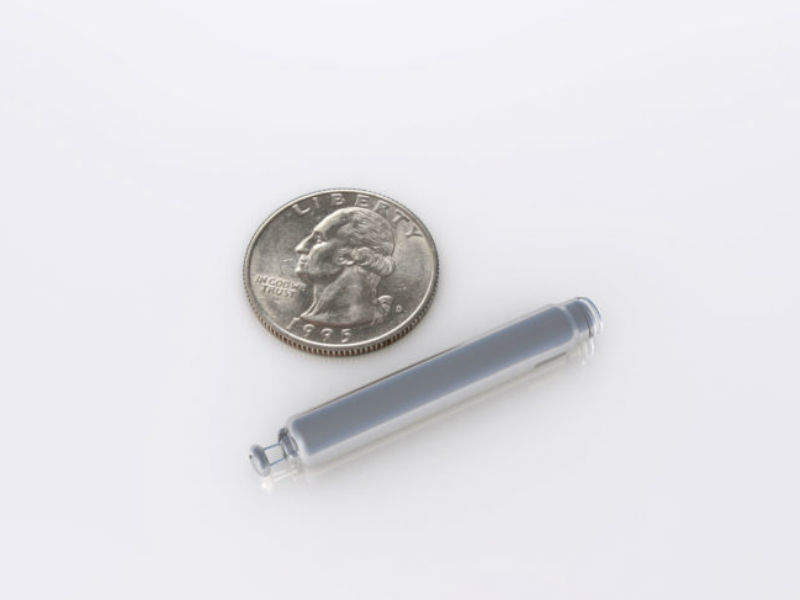
A study led by researchers at the US-based Cleveland Clinic has found that leadless pacemakers can successfully reduce the number of short-term and mid-term complications that patients experience for up to 18 months, when compared to more conventional transvenous devices.
Cleveland Clinic research director and Abbott and Boston Scientific consultant Dr Daniel Cantillon is the lead author of the study. He said: “The data from this study is encouraging, and we expect complications from leadless pacemakers to continue to decline as the technology improves and physicians gain experience implanting these devices.
Go deeper with GlobalData


Discover B2B Marketing That Performs
Combine business intelligence and editorial excellence to reach engaged professionals across 36 leading media platforms.
“While this research shows benefit for leadless pacing, we must keep in mind that the field is still too young to compare the long-term results of this technology, the implications of which will not be fully understood for at least another decade.”
According to previous research, conventional pacemaker leads and their surgical implantation are the most common cause of complications among pacemaker recipients, occurring in up to 12% of patients. Leadless pacemakers do not require wires so are self-contained and about one-tenth of the size of a traditional pacemaker. They are placed directly into the heart using a catheter that is carried from the leg to the heart via the femoral vein.
The multicentre study compared short and mid-term complications between 718 patients who received the Nanostim leadless pacemaker and 1,436 patients with transvenous pacemakers. The leadless pacemaker patient data was taken from the LEADLESS II clinical trial. Transvenous patient data was collected from Truven Health MarketScan claims databases for patients implanted with single-chamber pacemakers between April 2010 and March 2014 and more than a year of pre-implant enrolment data. Statistical methods were then used to match patients between the two groups and compare the effects of a leadless versus traditional pacemaker with equal key clinical variables.
At one month, the study found that patients with the Nanostim leadless pacemaker had fewer complications overall. Leadless pacemakers eliminated lead and pocket complications, including infection. Complications among traditional pacemaker recipients included lead complications in 3.62% of patients, pocket complications in 0.42% and infection in 1.74%.

US Tariffs are shifting - will you react or anticipate?
Don’t let policy changes catch you off guard. Stay proactive with real-time data and expert analysis.
By GlobalDataNo significant differences were found between the groups in regard to rates of vascular complications, electrode dislodgement, or generator complications. However, leadless pacemaker patients had an increased risk of developing pericardial effusion.



