
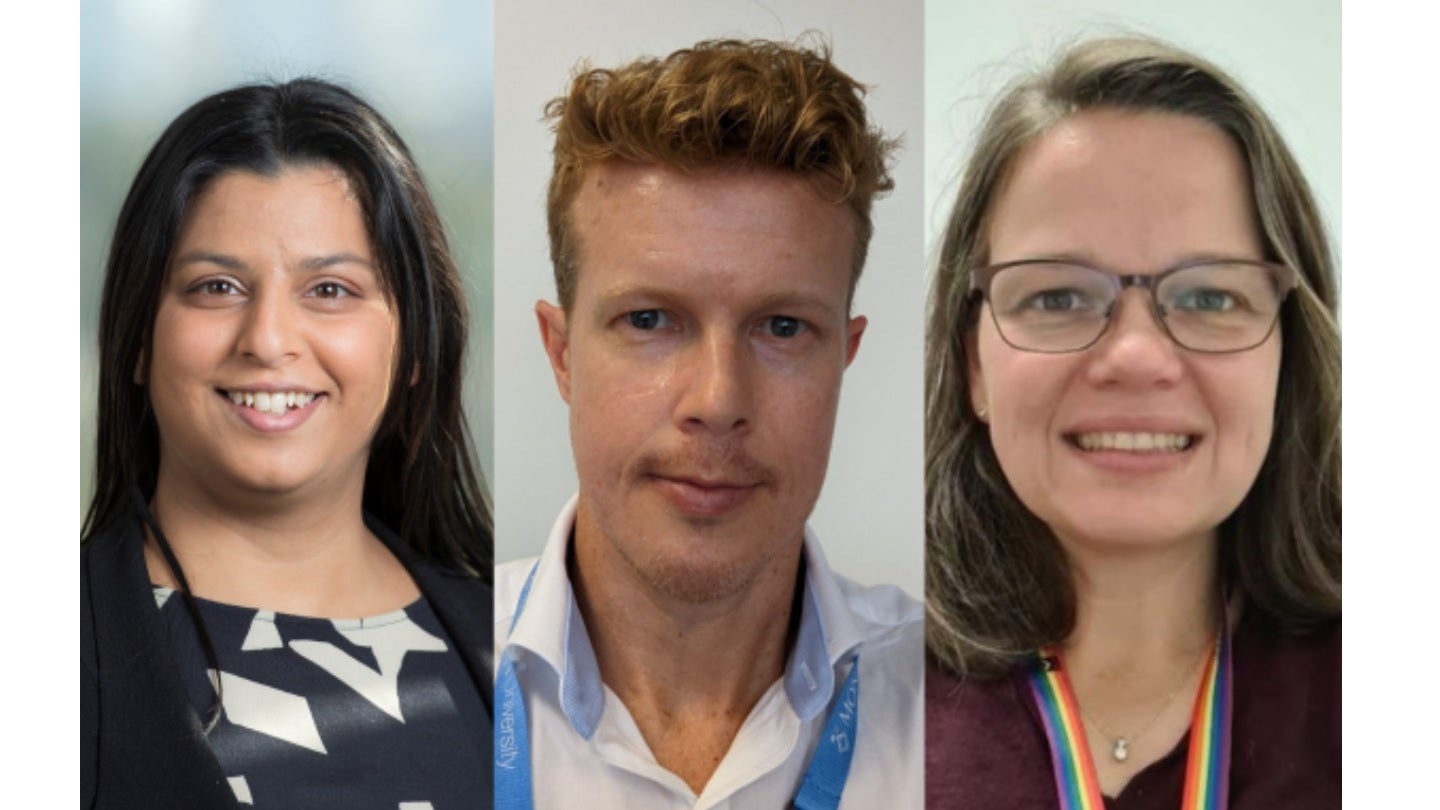
Researchers from Monash University in Australia have received a combined A$2.1m ($1.37m) in funding from the Medical Research Future Fund (MRRF) for three projects related to epilepsy.
Young researchers early in their careers will lead projects aimed at enhancing epilepsy treatment, seizure control and overall quality of life for affected individuals.
Go deeper with GlobalData


Discover B2B Marketing That Performs
Combine business intelligence and editorial excellence to reach engaged professionals across 36 leading media platforms.
Dr Neha Kaul and Dr Hugh Simpson are leading two projects that aim to investigate new technology-based treatment methods for individuals with drug-resistant epilepsy.
Kaul, a post-doctoral dietitian-researcher, is leading the first project, which focuses on assessing the effectiveness of incorporating digital health technologies.
These technologies include MX3 Diagnostics’ newly developed at-home saliva ketone testing device and digital tools for seizure and food diaries.
Both approaches will be bolstered by the continuous guidance of dietitians through telemedicine, aimed at providing enhanced support to individuals pursuing dietary therapy for epilepsy.
Dr Simpson’s project seeks to help people who still have seizures by addressing the uncertainty of when and how they occur.
Simpson said: “New Australian technology based on the cochlear implant allows recording of brain electrical activity for months to years.
“The implant, which is inserted under the scalp, offers unprecedented insights into seizure activity and greater certainty for patients and carers.”
The MRFF Digital Intervention scheme’s funding will offer patients the new ‘subscalp’ monitoring technology through a new clinical trial at the Alfred Neuroscience Clinical Trials unit.
Led by neuroscientist Dr Ana Antonic-Baker, the third project aims to examine the feasibility of using stem cells to transport neuropeptide Y, an amino acid neuropeptide known for its seizure-suppressing effects in drug-resistant epilepsy cases.



