
Researchers from the Max Planck Institute for Biology of Ageing in Germany and the Leiden University Medical Center (LUMC) in the Netherlands have discovered new blood biomarkers that could indicate a mortality risk in elderly people.
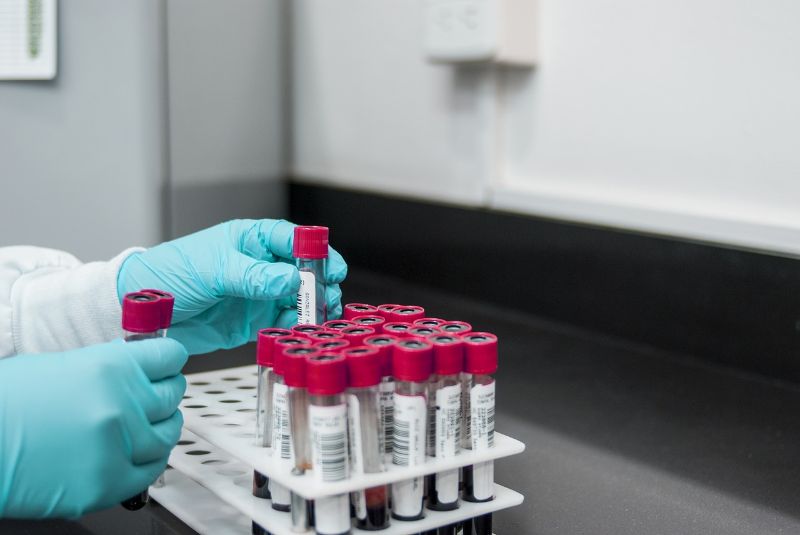
The team used a metabolomics platform to analyse blood samples from 44,168 individuals.
Go deeper with GlobalData


Discover B2B Marketing That Performs
Combine business intelligence and editorial excellence to reach engaged professionals across 36 leading media platforms.
They identified 14 circulating biomarkers independently associated with all-cause mortality, including different amino acids, inflammation, fatty acid balances and levels of cholesterol.
Researchers believe that the blood biomarkers could be used to predict disease vulnerability of elderly people in clinical studies and in studies on ageing using model organisms.
Commenting on the new discovery, Max Planck Institute for Biology of Ageing said: “When basic researchers investigate the molecular basis of ageing, they usually study model organisms such as worms, fruit flies or mice.
“Now the researchers have identified a set of biomarkers in human blood, which could be used in parallel in clinical studies and in ageing research on model organisms.”
In clinical studies, the new blood testing approach is expected to provide personalised therapy for the elderly.
Leiden University Medical Center professor Eline Slagboom said: “The calendar age just doesn’t say very much about the general state of health of elderly people: one 70-year-old is healthy, while another may already be suffering from three diseases.
“We now have a set of biomarkers, which may help to identify vulnerable elderly people, who could subsequently be treated.”
For parallel studies in model organisms, the newly discovered biomarkers are expected to help compare evaluations in humans and animals.
Currently, the team is assessing if the biomarkers are present in the blood of typical model organisms such as mice and whether ageing interventions affect them.



