
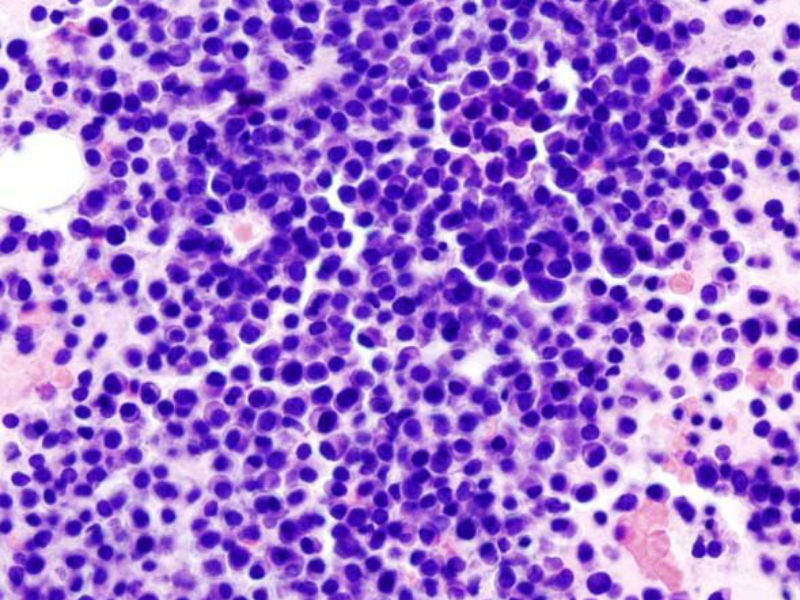
A collaborative project in the UK between researchers from the University of Oxford, the University of Exeter and Chiddenbrook Surgery, Crediton, could lead to GPs using simple blood tests to improve the early diagnosis of myeloma.
The study investigated the best combination of blood tests that could be used to diagnose the rare cancer within GP practices. It was funded by the National Institute for Health Research (NIHR) and has been published in the British Journal of General Practice.
Go deeper with GlobalData


Discover B2B Marketing That Performs
Combine business intelligence and editorial excellence to reach engaged professionals across 36 leading media platforms.
During the project, the researchers tested how useful a number of different measures were for indicating the presence of myeloma and suggested what combinations of these tests could be used to diagnose or rule out the disease. This could save patients from the worry of a specialist referral.
It was demonstrated that a simple combination of two blood parameters could be enough to diagnose patients. Blood tests are routinely conducted in GP surgeries.
Blood tests of 2,703 cases taken up to five years prior to diagnosis were analysed compared with those of 12,157 patients without the cancer. Cases were matched with control patients of a similar age and other relevant parameters.
Oxford University statistician and lead author of the study Constantinos Koshiaris said: “The combination of levels of haemoglobin, the oxygen carrier in the blood, and one of two inflammatory markers (erythrocyte sedimentation rate or plasma viscosity) are a sufficient test [to] rule out myeloma. If abnormalities are detected in this test, it should lead to urgent urine protein tests which can help speed up diagnosis.”

US Tariffs are shifting - will you react or anticipate?
Don’t let policy changes catch you off guard. Stay proactive with real-time data and expert analysis.
By GlobalDataAround 5,700 patients are diagnosed with myeloma in the UK each year. The cancer has the longest diagnosis process of all common cancers. A larger number of patients are diagnosed after emergency care and over a third of this group have had at least three primary care consultations.
University of Exeter professor and principal investigator on the study Willie Hamilton said: “Ordinarily a GP will see a patient with myeloma every five years—and early diagnosis matters. More timely treatment could significantly improve survival rates for this disease. We report a simple way a GP can check patients presenting symptoms such as back, rib and chest pain, or recurrent chest infections, and determine whether they have myeloma or not.”
The authors have also suggested the possibility of integrating a system within the electronic health record to alert clinicians to the relevant symptoms or changes in blood parameters that are related to myeloma.



