
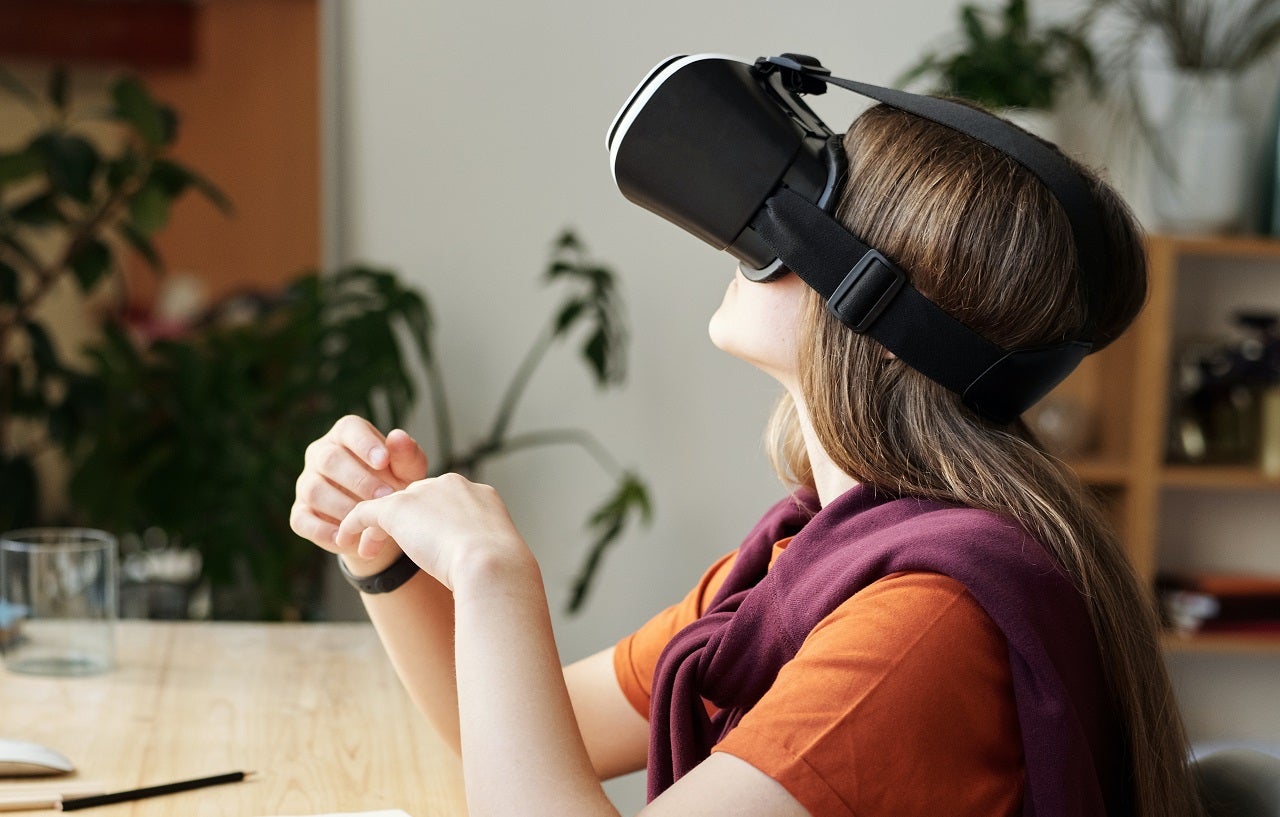
A free UK NHS treatment plan using virtual reality (VR) has been launched for patients who have trypanophobia, or needle phobia.
The treatment plan has been developed by Vita Health Group, with the three-dimensional, computer-generated environments themselves created by Psious, a VR platform for psychology and mental health.

Discover B2B Marketing That Performs
Combine business intelligence and editorial excellence to reach engaged professionals across 36 leading media platforms.
The programme aims to equip patients with techniques and strategies to manage trypanophobia ahead of their Covid-19 vaccination through remote sessions held by a qualified Vita therapist.
Needle phobia is thought to affect between 3.5% and 10% of the population, and the fear could potentially prevent them from taking the Covid-19 vaccine.
Patients are gradually exposed to scenarios they would usually avoid by immersing them into a medical procedure-related environment, such as a medical waiting room or a blood draw.
This will help therapists evaluate and treat patients’ distress in a controlled environment.
Vita Health Group cognitive behavioural therapist Vanessa Dodds said: “Administering a Covid-19 booster and then annual vaccinations are probable, according to Britain’s vaccine deployment minister. Managing procedural distress with VR treatment can also provide long-term benefits by increasing compliance, thus reducing the likelihood of avoidance in the future.”
Patients enrolled in Vita’s programme will be supplied with a free pair of VR goggles for their remote sessions, following a 45-minute assessment to make sure VR therapy is a good fit for them.
They will then undergo three hour-long VR therapy sessions targeted at managing their needle phobia, with booster sessions available prior to their vaccine date.
VR technologies have shown promise as a treatment for mental health conditions, particularly for cognitive behavioural therapy (CBT) exposure exercises that aren’t possible in real life.
Dodds said: “VR is very effective at bridging the gap between real-life exposure and what the patient feels able to do at the time they enter treatment. It has been particularly useful for needle phobia because the process of preparing for and giving an injection is not something that can be replicated in a therapy room.”
VR therapy can also be useful for patients who are simply too unwell to carry out certain exercises, such as Oxford VR’s social engagement platform, which is designed treat anxious social avoidance in people with psychosis.


