
A research team led by the University of Cambridge in the UK has developed a new technique that enables surgeons to listen to a patient’s brain activity while performing tumour surgery.
The team also included scientists and clinicians from Addenbrooke’s Hospital and Neurophys. They jointly developed a method which facilitates a more accurate and personalised ‘read-out’ of patients’ brain networks.
Go deeper with GlobalData


Discover B2B Marketing That Performs
Combine business intelligence and editorial excellence to reach engaged professionals across 36 leading media platforms.
It is expected that the technique will offer real-time feedback on the patient’s brain activity in operation theatre.
In some cases, brain tumour removal can result in the removal of vital parts of the brain, leading to impairments in functions such as speech, movement and executive function.
To avoid these risks, a local anaesthetic is used and surgeons apply mild electric pulses to tissue surrounding the tumour while asking the patient to perform certain tasks.
This approach is time-consuming and may miss certain areas important for certain functions.
US Tariffs are shifting - will you react or anticipate?
Don’t let policy changes catch you off guard. Stay proactive with real-time data and expert analysis.
By GlobalDataThe new technique is intended to enhance the accuracy of the procedure and minimise the risk of impairing brain function.
It will involve various neuroimaging exams using MRI, before surgery, in order to identify the tumour’s exact location and establish the communication between different regions of the brain.
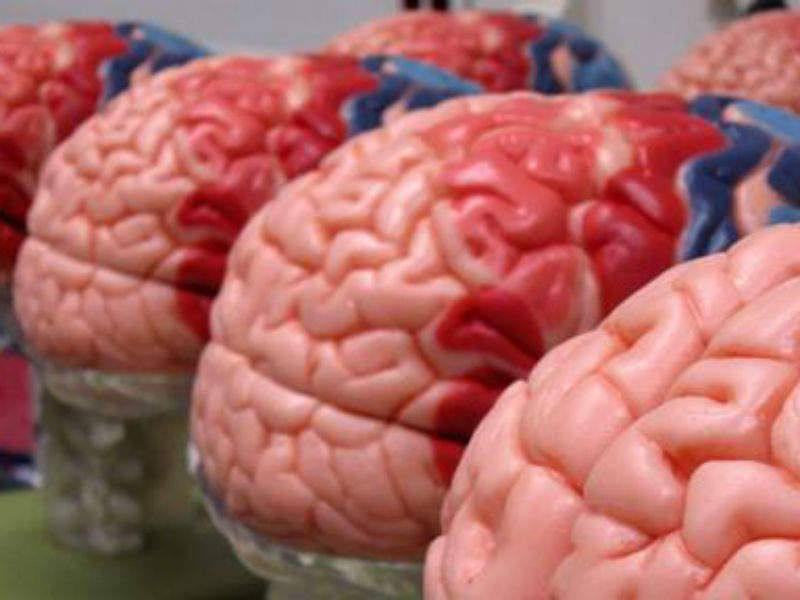
The surgeons will use a 3D-printed copy of the patient’s brain to help plan the surgery, discuss potential risks with patients and involve the patient in deciding the tissue removal.
During surgery, electrodes will be placed on the surface of the brain to ‘listen’ to brain activity. A computer algorithm will then analyse the information as the patient performs cognitive tests.
The algorithm will offer live feedback to the surgeon, allowing more accurate prediction of the possible impact of removing a specific area of brain tissue.
University of Cambridge MRC Cognition and Brain Sciences unit neuroscientist Yaara Erez said: “This isn’t going to replace brain stimulation during surgery. But it will guide the surgeon and save time and make surgery more efficient, more accurate.
“It will also enable us to understand how patients’ brains adapt to the presence of a tumour and how well they recover from surgery.”
The researchers are currently analysing data from 12 patients to determine the best measures for providing the required information and optimising the analysis.



