
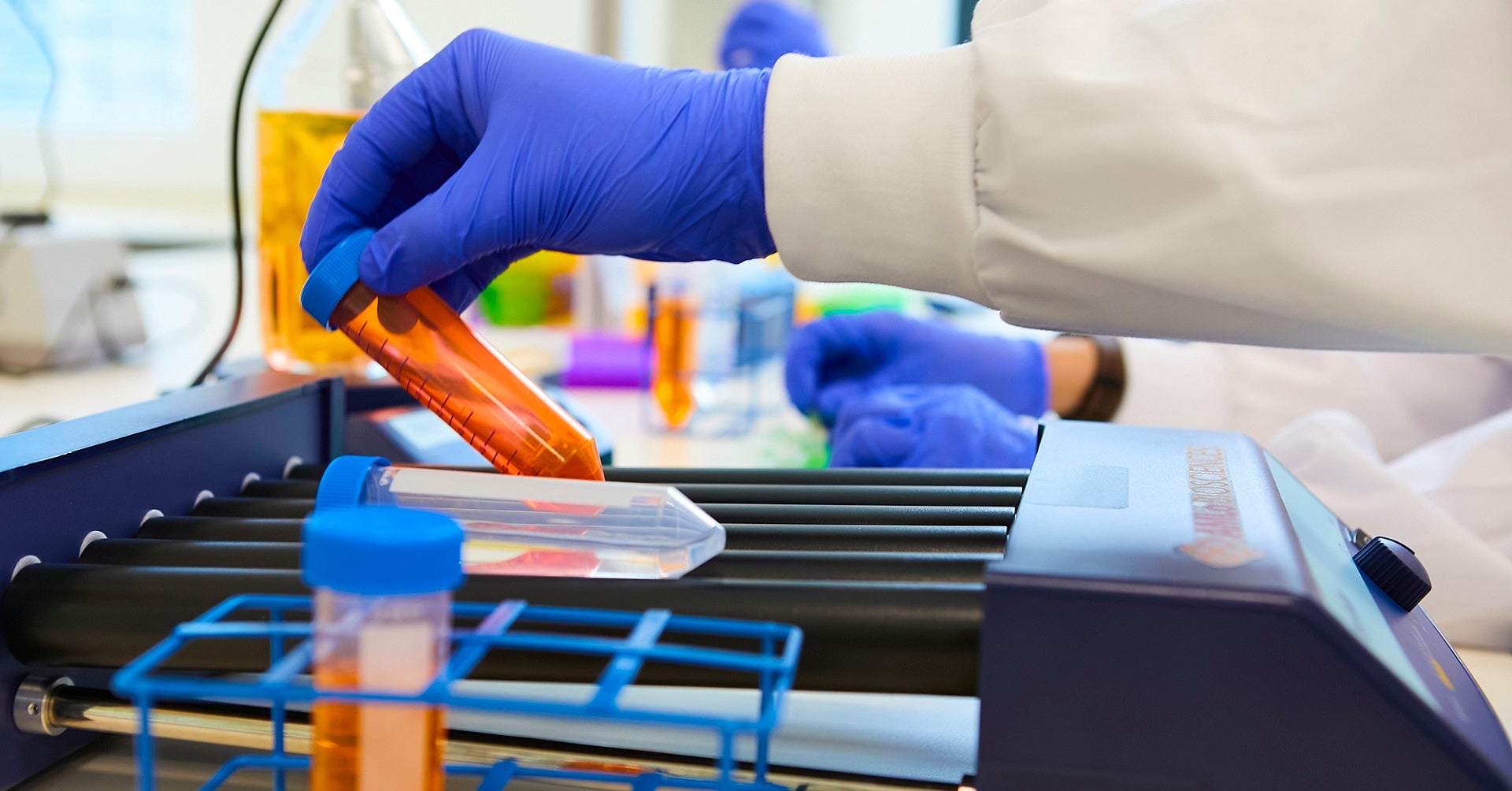
A team of scientists at Newcastle University in the UK has developed a new test that can predict the spread or return of skin cancer.
The latest development follows a scientific breakthrough made by the team in understanding how skin cancer grows.
Go deeper with GlobalData


Discover B2B Marketing That Performs
Combine business intelligence and editorial excellence to reach engaged professionals across 36 leading media platforms.
Co-funded by British Skin Foundation, the research was carried out in association with the university spin-out firm, AMLo Biosciences.
The new test, known as AMBLor, is applied to the standard biopsy of a primary melanoma following its removal.
It helps to identify patients with a low risk of the disease reoccurring or spreading.
Newcastle University stated that the test will provide reassurance to patients diagnosed with early-stage melanoma who are at low risk of cancer spread.

US Tariffs are shifting - will you react or anticipate?
Don’t let policy changes catch you off guard. Stay proactive with real-time data and expert analysis.
By GlobalDataNewcastle University cellular dermatology and oncology professor and AMLo Biosciences chief scientific officer Penny Lovat said: “Our test offers a personalised prognosis, as it more accurately predicts if your skin cancer is unlikely to spread.
“This test will aid clinicians to identify genuinely low-risk patients diagnosed with an early-stage melanoma and to reduce the number of follow up appointments for those identified as low risk, saving NHS time and money.”
AMBLor identifies the true risk of disease progression in a patient. It also provides accurate information regarding the risk of disease spread for a patient diagnosed with a non-ulcerated early-stage melanoma.
The university stated that primary tumours are currently removed by surgery and pathologists determine the skin cancer stage under the microscope.
Patients are followed up in a clinic for as long as five years even if identified as low risk.
The team has submitted an application for the AMBLor test to be available on the NHS.
In 2018, Newcastle University scientists were the first to 3D-print human corneas using a technique that could ensure an unlimited supply of corneas in the future.



