

US Clemson University researcher Carlos Garcia has collaborated with two Argentinian research groups to develop two artificial sensory devices, an electronic nose, and paper-based biosensors, for application in biomedicine.
The electronic nose is being designed to detect kissing bugs, while the paper-based biosensors will identify the presence of select chemicals.
Go deeper with GlobalData


Discover B2B Marketing That Performs
Combine business intelligence and editorial excellence to reach engaged professionals across 36 leading media platforms.
Being developed by Garcia and Argentinian collaborator Carlos Rinaldi, the new electronic nose will use sensing arrays and pattern-recognition technology for the detection of certain aromatic compounds that are found in the air in the presence of kissing bugs.
The bugs are reported to carry a parasite called Trypanosoma cruzi, which is responsible for Chagas disease.
Initially developed using laser vaporisation, the electronic noses are expected to eventually imitate the human sense of smell and assist in controlling kissing bugs population, leading to decrease of the spread of the disease.
The human brain function will be replaced using a computing system that will aid the electronic nose in relating the pattern recognised with a particular gas or smell.

US Tariffs are shifting - will you react or anticipate?
Don’t let policy changes catch you off guard. Stay proactive with real-time data and expert analysis.
By GlobalDataGarcia said: “Once we have that database, it’s a matter of trying to find the limit of detection, or how low you can go in the concentration of these gases until you get a reliable, positive response.”
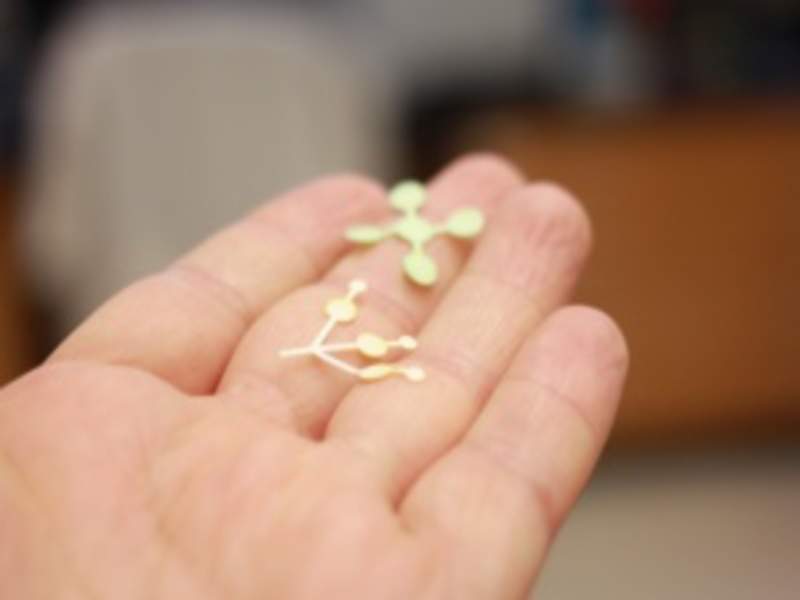
While the electronic noses are in early stage of development, the second collaboration will include repurposing of a paper-based electrode created by Garcia in 2014.
Originally developed to recognise the presence of certain chemicals when immersed in a solution, the pyrolysis-based electrode also has a potential to measure the corresponding concentration under specific conditions.
Garcia’s new partnership with Argentinian researcher Maria Silva will investigate the paper-based biosensors as an inexpensive, disposable test to detect contaminants in foods.
Image: Garcia’s paper-based electrodes will acquire a new purpose in Silva’s food chemistry research. Photo: courtesy of Carlos Garcia.



