

A research study led by the University of Manchester in the UK has demonstrated that a urine test developed by the University of Leicester could lead to a decrease in blood pressure.
Several other universities have taken part in the study, including University College London, University College Europe, Central Manchester University Hospitals NHS Foundation Trust, and University Hospitals of Leicester NHS Trust.
Go deeper with GlobalData


Discover B2B Marketing That Performs
Combine business intelligence and editorial excellence to reach engaged professionals across 36 leading media platforms.
Though high blood pressure can be regulated with tablets, prior research conducted by the University of Manchester revealed that more than one-third of blood pressure patients struggle to take their medication as prescribed.
In the latest study, the researchers followed 73 patients who were not taking the tablets regularly out of the total 238 participants.
Upon tracking blood pressure changes in these patients, it was found that systolic blood pressure reduced by an average of 20-30mmHg between the urine test and the final clinic visit.
More than 50% of the patients who had the urine test reported adherence to their blood pressure lowering medication, while 30% experienced improved adherence.
US Tariffs are shifting - will you react or anticipate?
Don’t let policy changes catch you off guard. Stay proactive with real-time data and expert analysis.
By GlobalDataIt is expected that such a significant decrease in blood pressure might lead to a 45% drop in coronary heart disease risk and a 65% reduction in the risk of stroke.
University of Manchester professor Maciej Tomaszewski said: “Our study shows the therapeutic benefits of biochemical screening for non-adherence to antihypertensive treatment.
“The urine test creates an opportunity for patients and their doctors to discuss the barriers to regular taking of blood pressure lowering medications.
“The blood pressure drop we see as a result of this test being used in clinical practice is likely to save lives. It is also likely to have an important impact on health economy if this test is used routinely."
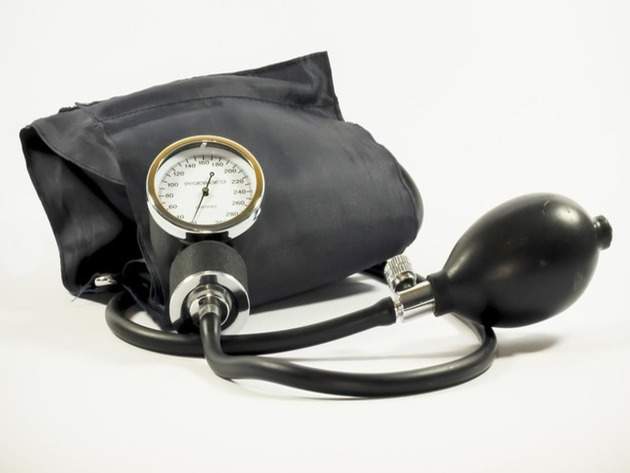
Image: Blood pressure patients could benefit from the urine test. Photo: courtesy of the University of Manchester.



