
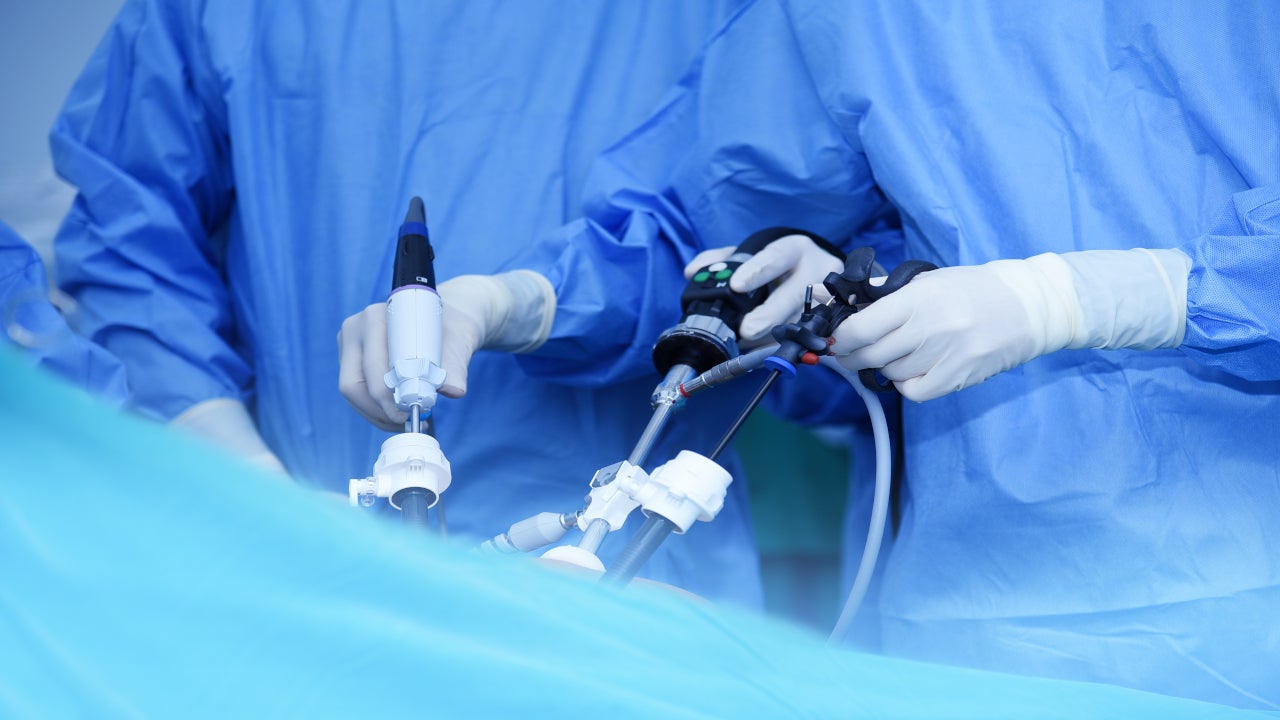
Doctors and experts are now calling to prioritise administration of COVID-19 vaccine to elective surgery patients as any further delays could complicate existing disease conditions.
Verdict has conducted a poll to assess if individuals would prefer to undergo elective general surgery procedures before getting vaccinated for COVID-19 or after.
Go deeper with GlobalData


Discover B2B Marketing That Performs
Combine business intelligence and editorial excellence to reach engaged professionals across 36 leading media platforms.
Analysis of the poll results shows that nearly two-third of the respondents prefer to undergo elective general surgery after receiving vaccination against COVID-19, while the remaining prefer to undergo the surgery immediately without vaccination.

The analysis is based on 239 responses received from the readers of Medical Device Network, a Verdict network site, between 03 March and 17 May 2021.
Elective surgeries and COVID-19 vaccination
Patients undergoing major surgeries often experience post-operative immunosuppression leaving them vulnerable to COVID-19 infection, which could increase the risk of death by four to eight times in the 30 days following the surgery.
A global team of researchers led by experts from the University of Birmingham under the COVIDSurg Collaborative have found that vaccination of patients going for elective general surgery should be prioritised as it could save approximately 60,000 lives globally. The findings were based on a study that gathered data from 141,582 patients across 116 countries which showed that vaccination against COVID-19 can reduce the risk of post-operative death.
Governments, therefore, need to give high priority to vaccination of surgical patients across demographics as well as spread awareness among them about the importance of getting vaccinated.
Pre-operative vaccination against COVID-19 plays a significant role in reducing deaths, especially in the middle and low-income countries, where preventive methods such as nasal swab screening and COVID-free surgical pathways can’t be implemented for the entire population. It can also reduce post-operative pulmonary complications, intensive care use, and general healthcare expenses.



