
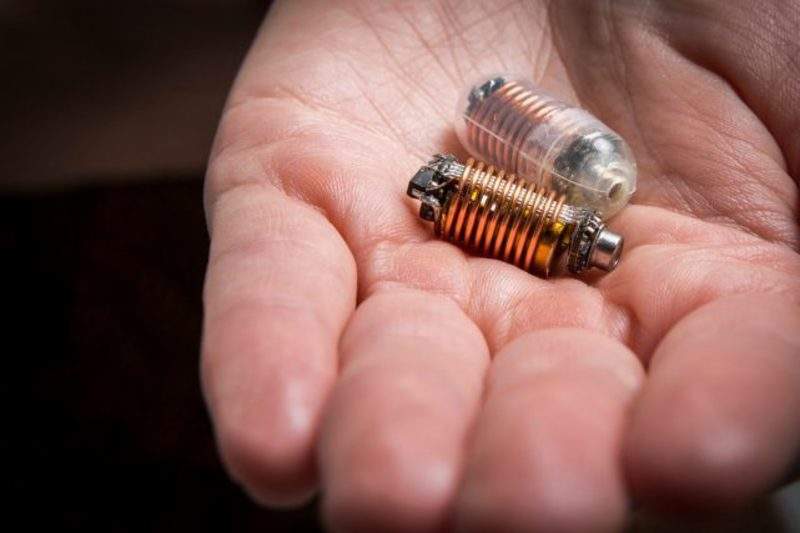
Researchers at RMIT University and Monash University in Australia have performed clinical trials to investigate the use of ingestible sensors in monitoring gut health.
The gas-sensing capsule is designed to detect and measure gut hydrogen, carbon dioxides and oxygen in real time, and send the obtained data to a mobile phone.
Go deeper with GlobalData


Discover B2B Marketing That Performs
Combine business intelligence and editorial excellence to reach engaged professionals across 36 leading media platforms.
Performed in seven healthy individuals, the trials demonstrated the ability of the sensor to clinically monitor digestion and normal gut health, as well as effectively measure microbiome activities in the stomach.
During the trials, the sensors are reported to have helped the researchers in identifying new mechanisms in the body, including a potentially new immune system.
RMIT University professor Kourosh Kalantar-zadeh said: “We found that the stomach releases oxidising chemicals to break down and beat foreign compounds that are staying in the stomach for longer than usual.
“This could represent a gastric protection system against foreign bodies. Such an immune mechanism has never been reported before.”
The researchers also observed the presence of high oxygen concentrations in the colon under an extreme high-fibre diet.
Kalantar-zadeh added: “This contradicts the old belief that the colon is always oxygen free.
“This new information could help us better understand how debilitating diseases like colon cancer occur.”
Based on the findings, the researchers expect the ingestible sensors to aid in prevention and diagnosis of gut disorders and diseases, minimising the number of invasive procedures such as colonoscopies.
Following the successful completion of these trials, researchers plan to commercialise the technology.
Co-inventor Dr Kyle Berean said: “We have partnered with Planet Innovation to establish a company called Atmo Biosciences and bring the product to market.
“This will lead to Phase II human trials, and help raise the funds needed to place this safe and revolutionary gut monitoring and diagnostic device into the hands of patients and medical professionals.”



