
Massachusetts Institute of Technology researchers have developed sensors that can track dopamine in the brain for more than a year.
The new probes could potentially allow the monitoring of patients with dopamine-related conditions such as Parkinson’s disease, depression and schizophrenia.
Go deeper with GlobalData


Discover B2B Marketing That Performs
Combine business intelligence and editorial excellence to reach engaged professionals across 36 leading media platforms.
Dopamine is a signalling molecule that is critical in the regulation of our mood and controlling movement.
Standard carbon electrode systems for dopamine measurement can only be used for one day as they generate scar tissue that hinders their ability to track the neurotransmitter molecule.
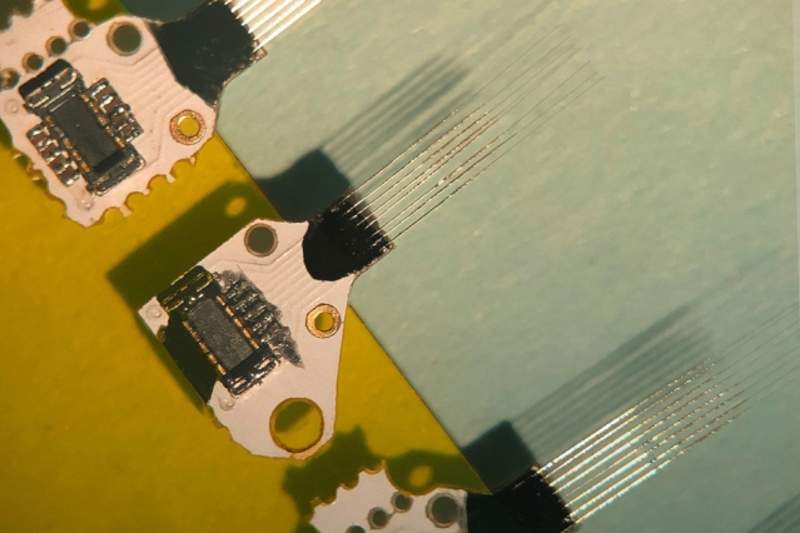
In 2015, the MIT research team created and validated microfabricated sensors for tracking dopamine levels in the brain’s striatum. As these probes are tiny, the researchers were able to implant up to 16 in different parts of the striatum.
During the latest study, the team evaluated the capability of these probes for long-term tracking and to produce accurate day-to-day readings.
It was observed that the new sensors were almost invisible to the immune system, even over a long duration, thereby avoiding the formation of scar tissue.
When tested in animals, the tiny probes delivered consistent readings for up to 393 days.
MIT postdoc Helen Schwerdt said: “This is necessary if you want to understand how these signals mediate specific diseases or conditions.
“This is the first time that anyone’s shown that these sensors work for more than a few months. That gives us a lot of confidence that these kinds of sensors might be feasible for human use someday.”
The researchers believe that the sensors can help provide better treatment for Parkinson’s patients, which involves delivery of electrical impulses into the brain.
Monitoring of dopamine levels in these patients could facilitate selective delivery of the stimulation.
Currently, the researchers are investigating the application of these sensors in measuring other neurotransmitters in the brain, and electrical signals that are known to be abnormal in some diseases.



