
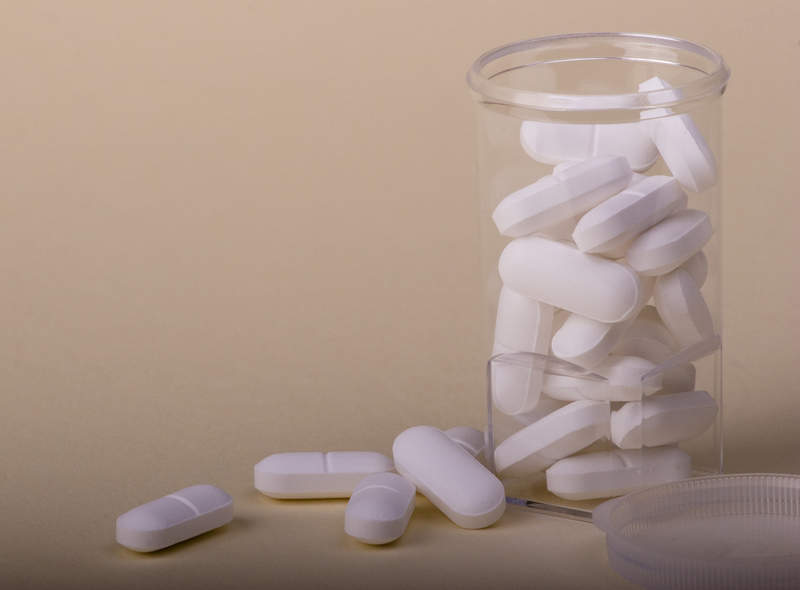
A research team led by the Universities of Edinburgh and Liverpool in the UK has demonstrated the use of a new blood test to instantly detect liver damage in patients who overdose on paracetamol.
Designed to identify miR-122, HMGB1 and FL-K18 molecules in blood, the test is intended to detect the patients requiring intense treatment.
Go deeper with GlobalData


Discover B2B Marketing That Performs
Combine business intelligence and editorial excellence to reach engaged professionals across 36 leading media platforms.
In 2,000 patients who had to undergo hospital treatment for paracetamol overdose across the country, the research team measured levels of the three markers to evaluate the new test.
The results demonstrated that the test could accurately predict patients who could develop liver problems and those who might require longer treatment before discharge.
The test was also able to identify those who could be safely discharged following treatment.
The test is expected to detect patients who would not benefit from treatment and aid in the development of new therapies for the treatment of liver damage through a targeted approach.
US Tariffs are shifting - will you react or anticipate?
Don’t let policy changes catch you off guard. Stay proactive with real-time data and expert analysis.
By GlobalDataResearchers from the University of Edinburgh also conducted a study to assess the use of another blood test in identifying people at risk of a heart attack.
Expected to improve treatment of people with chest pains, the test measures blood levels of troponin protein released by damaged heart cells.
The study performed in 23,000 people at 19 hospitals across Europe, North America and Australasia showed that the test could safely rule out a heart attack within one hour.
University of Edinburgh research fellow Dr Andrew Chapman said: “We believe the findings of this worldwide study will provide national and international guidelines committees with the evidence they need to recommend the use of troponin testing to rule out heart attacks much earlier in the emergency department.”



