
Researchers at the University of North Carolina (UNC) School of Medicine in the US have developed a new method to predict and match patients with suitable cystic fibrosis therapies.
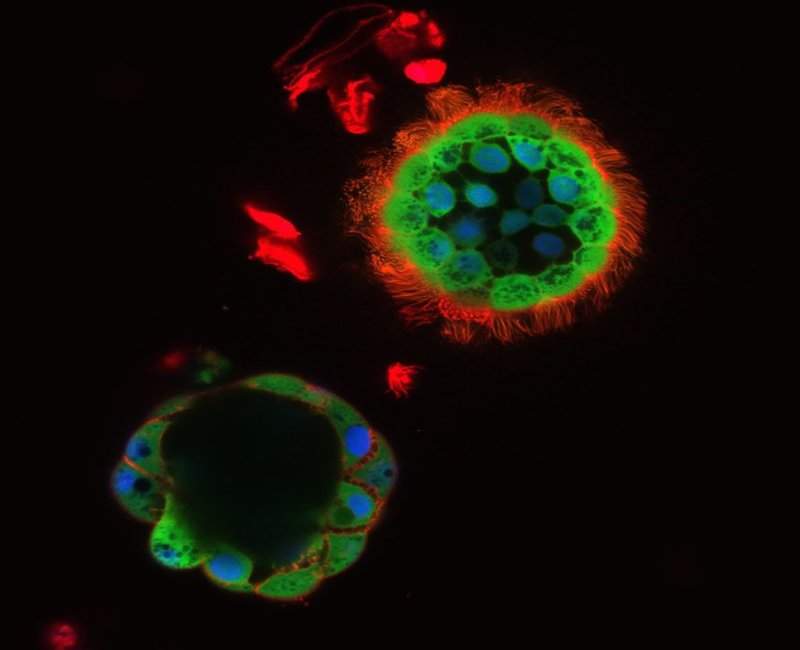
The simple, minimally invasive test uses ball-shaped, fluid-filled molecules called nasospheroids that are formed from cells taken from inside the nose.
Go deeper with GlobalData


Discover B2B Marketing That Performs
Combine business intelligence and editorial excellence to reach engaged professionals across 36 leading media platforms.
Cystic fibrosis, which develops due to the non-functioning of the CFTR gene, is characterised by a build-up of thick, sticky mucus in the lungs, and multiple genetic mutations.
Existing trial-and-error techniques for each patient is considered expensive and time-consuming with a risk of side effects.
A rectal biopsy is the only test currently available to predict patient response to the disease medication and is said to need complicated laboratory modification of the sample.
While developing the new inexpensive test, UNC researchers exposed the nasospheroids to different CFTR modulator drugs and observed shrinkage of the balls.

US Tariffs are shifting - will you react or anticipate?
Don’t let policy changes catch you off guard. Stay proactive with real-time data and expert analysis.
By GlobalDataThey established that growing nasospheroids from nasal samples would allow determination of patient cells’ response to these drugs.
UNC Marsico Lung Institute member Gentzsch said: “It is a relatively simple procedure that doesn’t require any anaesthesia and uses a brush that costs a few dollars.
“The spheroids form quickly in just a few days without much manipulation.
“It has many advantages, not only because patients should be able to get results really quickly, but also because our model is much more accessible to drugs for testing than the other existing models.”
Further research is, however, required to validate the test for clinical application.



