
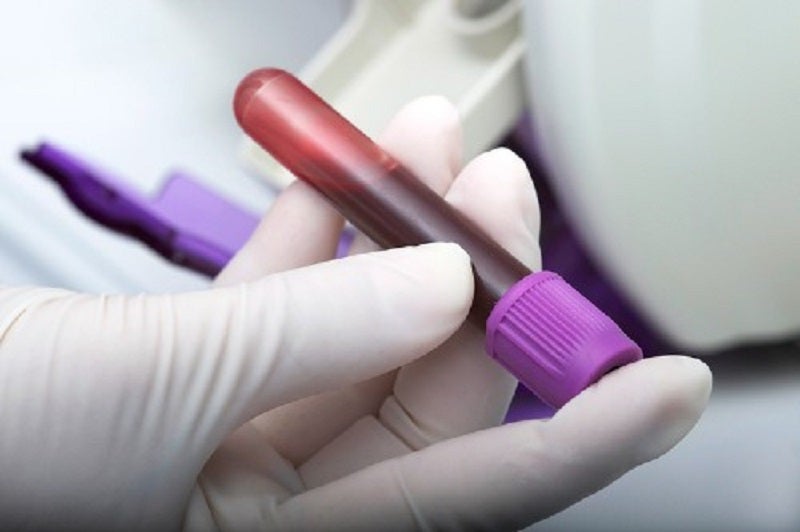
Researchers at the UK’s University of Bristol have developed mathematical models that could lead to the development of a simple blood test for the detection of brain tumours.
The mathematical models were developed with the aim of evaluating the current detection of glioblastomas (GBMs) using biomarkers and determining how these biomarker-based strategies could be improved.
Go deeper with GlobalData


Discover B2B Marketing That Performs
Combine business intelligence and editorial excellence to reach engaged professionals across 36 leading media platforms.
The research, published in The Royal Society Interface journal, is part of a wider University of Bristol-led Cancer Research UK (CRUK) project.
The cross-disciplinary project will involve the development of an affordable, point-of-care blood test to diagnose brain tumours at an early stage using fluorescent carbon dots and nanophotonics.
The early diagnosis of brain cancer can help in providing more effective and personalised treatment options.
Along with computational modelling, the project combines biomarker discovery, fluorescent nanoparticle development and new testing methods.
US Tariffs are shifting - will you react or anticipate?
Don’t let policy changes catch you off guard. Stay proactive with real-time data and expert analysis.
By GlobalDataUniversity of Bristol Department of Engineering Mathematics research associate Dr Johanna Blee said: “Our findings provide the basis for further clinical data on the impact of lowering the current detection threshold for the known biomarker, glial fibrillary acidic protein (GFAP), to allow earlier detection of GBMs using blood tests.
“With further experimental data, it may also be possible to quantify tumour and patient heterogeneities and incorporate errors into our models and predictions for blood levels for different tumours.
“We have also demonstrated how our models can be combined with other diagnostics, such as scans, to enhance clinical insight with a view to developing more personalised and effective treatments.”
Additionally, the researchers used computational modelling to explore the impact of tumour characteristics and patient differences on detection and improvement strategies.
CRUK and Southmead Hospital Charitable Funds, including Brain tumour bank and research fund 8036, funded the research.
In 2019, researchers at the University of Bristol commenced a three-year FREEHAB project to develop soft rehabilitative devices for people with mobility problems.



