
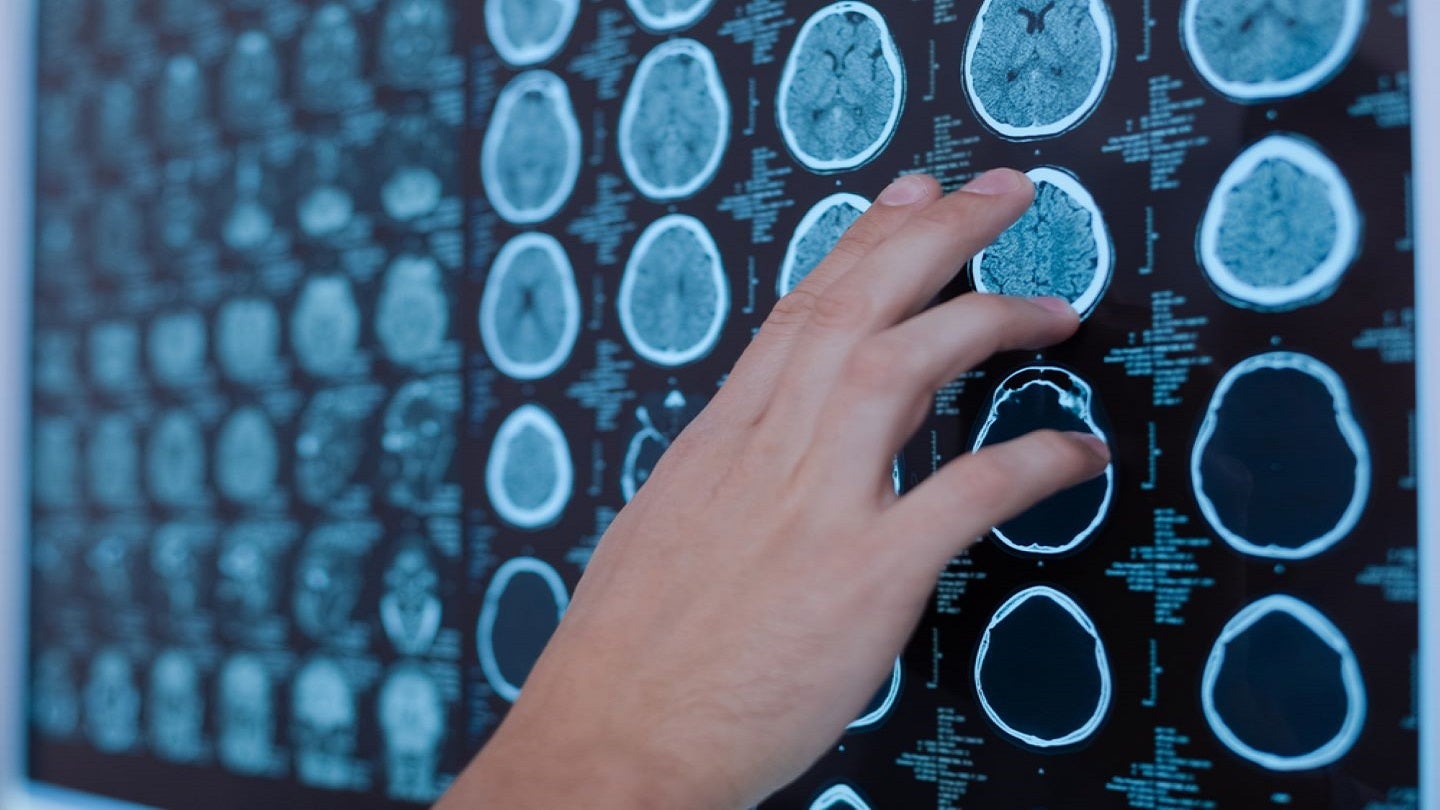
Canada-based University of Waterloo’s systems design engineering professor Alexander Wong has developed a new imaging technique called correlated diffusion imaging (CDI) to assess the impact of Covid-19 on the brain.
CDI is a new form of magnetic resonance imaging (MRI) designed to capture and mix MRI signals at different gradient pulse strengths and timings to better show the differences in the way water molecules move in tissue.
Go deeper with GlobalData


Discover B2B Marketing That Performs
Combine business intelligence and editorial excellence to reach engaged professionals across 36 leading media platforms.
Earlier, Wong developed CDI to provide a better imaging measure for identifying cancer. This new technique has been used in a study conducted at Baycrest’s Rotman Research Institute and Sunnybrook Hospital in Toronto.
Wong and his student Hayden Gunraj are the co-authors of the study named “Feasibility of diffusion-tensor and correlated diffusion imaging for studying white-matter microstructural abnormalities: Application in Covid-19”.
The rendering of the frontal-lobe white matter’s CDI showed a less-restricted diffusion of water molecules in patients with Covid-19.
Simultaneously, the imaging demonstrated a restricted diffusion of water molecules in the cerebellum of Covid-19 patients.
Rotman’s study is claimed to be the first one to show diffusion abnormalities in the white matter of the cerebellum, in addition to demonstrating Covid-19’s effects on the brain.
Wong suggested that future tests will study whether Covid-19 actually damages brain tissue.
Additional studies will be conducted to determine whether Covid-19 can change the grey matter of the brain.
Wong said: “Hopefully, this research can lead to better diagnoses and treatments for Covid-19 patients.
“And that could just be the beginning for CDI, as it might be used to understand degenerative processes in other diseases such as Alzheimer’s or to detect breast or prostate cancers.”



