
Researchers from the University of Illinois in the US have developed a photoacoustic molecular probe to detect areas of hypoxia (low oxygen in tissue) for improved non-invasive diagnosis and treatment of cancer, stroke and blocked or narrowed blood vessels.
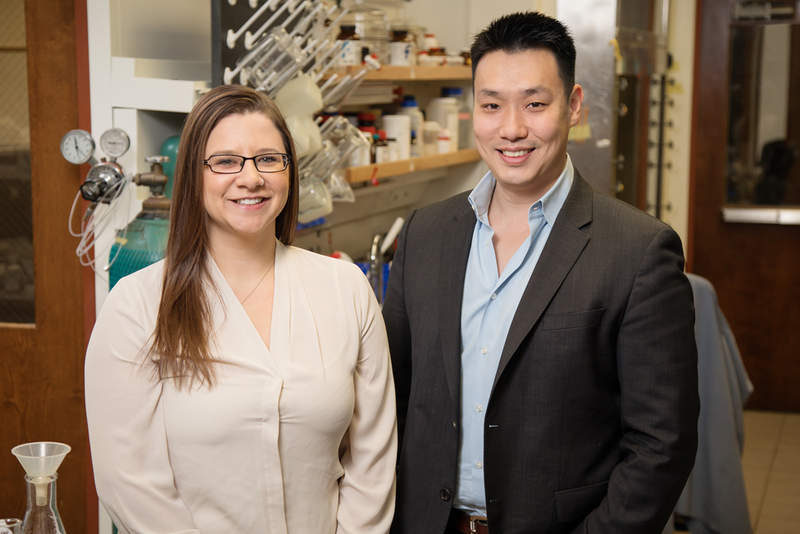
Led by chemistry professor Jefferson Chan and graduate student Hailey Knox, the research team designed the new oxygen-sensitive probe to emit ultrasound signals in response to light.
Go deeper with GlobalData


Discover B2B Marketing That Performs
Combine business intelligence and editorial excellence to reach engaged professionals across 36 leading media platforms.
Upon activation by light, the new device emits an ultrasound signal that enables direct 3D imaging of hypoxic areas.
The molecular beacon is intended to replace the existing expensive, invasive techniques that involve radioactive molecules and positron emission tomography scans.
As these techniques could only detect chronic hypoxia, they are considered inadequate for the diagnosis of aggressive cancers or acute conditions such as stroke that require immediate treatment.
Chan said: “We could give a doctor a three-dimensional (3D), real-time view into the tissue to guide surgical procedures and treatment plans.

US Tariffs are shifting - will you react or anticipate?
Don’t let policy changes catch you off guard. Stay proactive with real-time data and expert analysis.
By GlobalData“The ability to detect this in a way that doesn’t require surgery or doesn’t rely on indirect methods is really powerful because you can actually see it as it’s developing.”
While the device has been tested in preclinical settings, it could be used for clinical application by administering photoacoustic molecules to a patient and using an altered ultrasound for imaging.
Chan added: “The system that we used in this study is a preclinical system for animals.
“However, in a clinical setting, you can take a regular ultrasound machine and equip it with a light source – you can buy LEDs for around $200 that are powerful enough and safe for clinical applications.”



