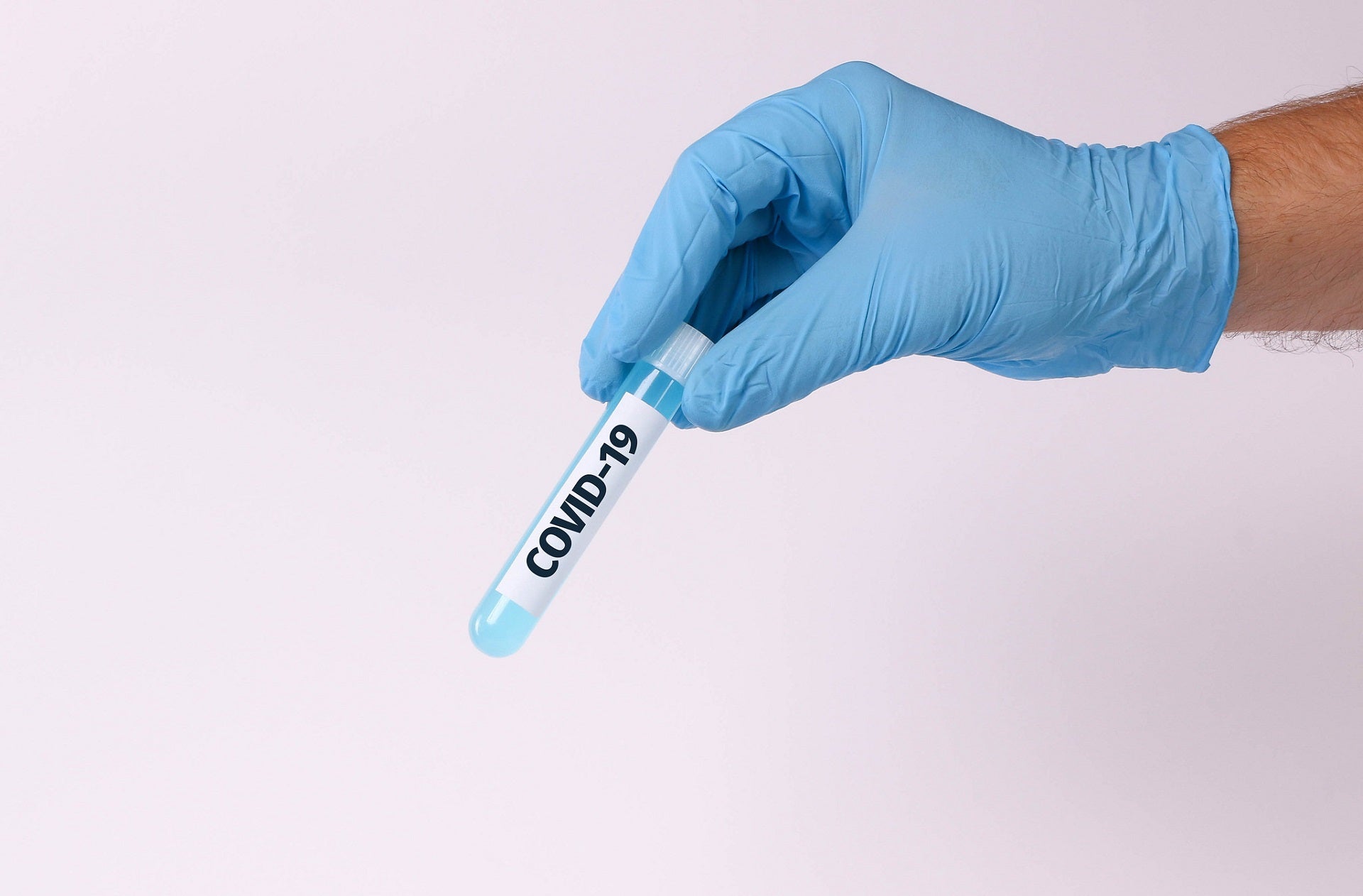
Researchers at the University of South Florida Health (USF Health) Morsani College of Medicine have found that the D-dimer test also works for Covid-19 patients.
The screening blood test, which was validated originally for seriously ill patients without Covid-19, is still useful to rule out pulmonary embolisms (PE) in hospitalised Covid-19 patients.
Go deeper with GlobalData


Discover B2B Marketing That Performs
Combine business intelligence and editorial excellence to reach engaged professionals across 36 leading media platforms.
A single-centre diagnostic study was conducted to check the effectiveness of D-dimer testing at detecting PE in hospitalised patients.
The D-dimer test measures protein fragments of blood clots floating in the bloodstream.
If a blood clot formed in another part of the body moves to the blood vessels of the lung, it causes PE.
The clot can decrease blood flow and result in low oxygen levels.
US Tariffs are shifting - will you react or anticipate?
Don’t let policy changes catch you off guard. Stay proactive with real-time data and expert analysis.
By GlobalDataNormally D-dimer levels are undetectable or detectable at very low levels, however, they increase sharply when the body breaks down clots.
USF Health internal medicine associate professor and vice-chair Dr Oxner said: “Our study found that clinicians can feel confident interpreting the D-dimer levels the same in Covid-19 patients as they do in every other patient; we don’t need a special (different) value for Covid-19 patients.
“So, in hospitalised Covid-19 patients, we can appropriately rule out a pulmonary embolism if D-dimer levels are low.”
According to research, people infected with Covid-19 have three to ten times more probability of developing PE compared to other hospitalised patients.
It is noted that a negative D-dimer test can help patients avoid invasive diagnostic tests, such as a computed tomography pulmonary angiogram.
Oxner further added: “The mechanisms of developing pulmonary embolisms may differ for Covid-19 patients, but the resulting physiology is the same for all patients. The little fragments of (undissolved) blood clots are still detectable with D-dimer.”