
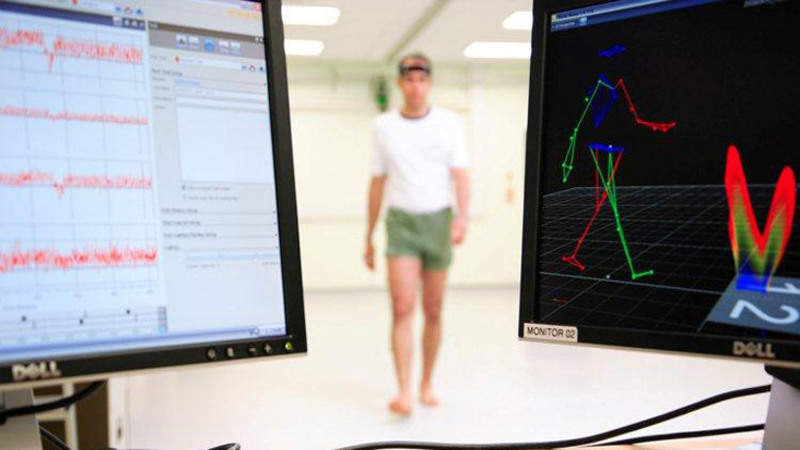
A pilot study conducted at Newcastle University in the UK has shown that low-cost body-worn sensors used to assess gait can potentially detect Alzheimer’s disease early as well as monitor its progression.
Researchers observed that the wearable devices can improve clinical trial efficiency and promote research investment.
Go deeper with GlobalData


Discover B2B Marketing That Performs
Combine business intelligence and editorial excellence to reach engaged professionals across 36 leading media platforms.
Clinical biomarkers such as changes in walking characteristics and behaviours are considered as key factors indicating early warning signs of dementia.
According to experts, this approach may offer an affordable, multi-centre and home-based monitoring alternative with benefits for patients, clinical management and the efficiency of clinical trials.
Newcastle University Human Movement Science professor Lynn Rochester said: “Wearable sensors at home and in the clinic have the potential to change dementia research. The ability to assess gait and walking behaviours in all aspects of life is a major step forwards in data collection.
“Free-living gait analysis at home is particularly useful as it allows objective observation of an individual’s day-to-day activity. It also has the benefit of providing continuous data over a prolonged time that may be more sensitive than one-off assessments.”
The study included 20 patients suffering from early Alzheimer’s across six centres from the National Institute for Health Research Translational Research Collaboration in Dementia initiative, which also included Newcastle University.
Participants used a small wearable sensor on their lower back and carried out walking tasks in the laboratory. They continued wearing the sensor at home for a week while performing everyday tasks.
Based on the findings, the researchers concluded that walking behaviour and pattern, and gait characteristics such as the pace, timing, variability and asymmetry of walking can offer clinically appropriate measures.
They noted that assessment of quantitative gait characteristics using body-worn sensors in a clinic as well as home environment is feasible for patients with early onset Alzheimer’s.
Professor Rochester added: “Clinical use of body-worn sensors in annual health assessments could track gait changes over time and act as a red flag for cognitive impairment.”
The study is part of the Deep and Frequent Phenotyping Project, and requires further validation of results showing free-living gait as a potential complementary marker for dementia diagnosis.



