
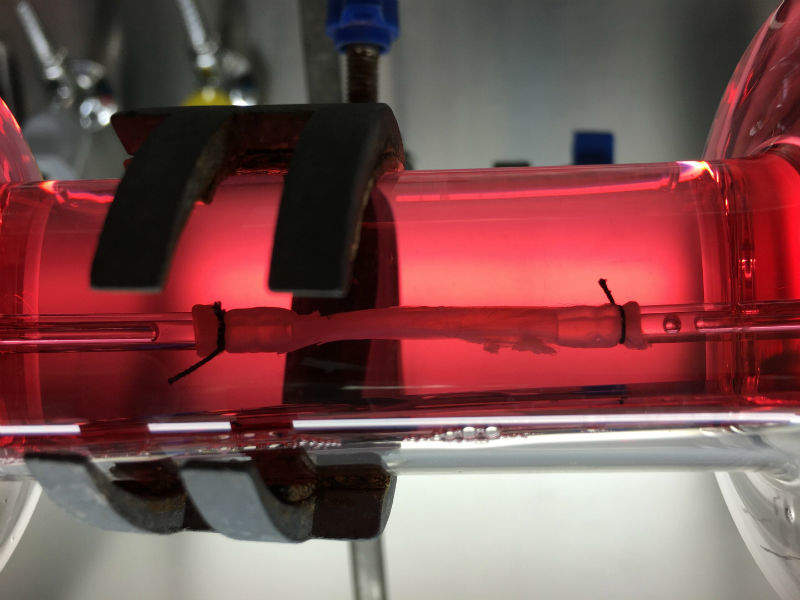
The first functional stem cell-engineered oesophagus has been transplanted into mice during a study and could lead to potential clinical trials of lab-grown oesophagi for paediatric patients with gut conditions.
The research was carried out by UCL Great Ormond Street Institute of Child Health (ICH), in collaboration with Great Ormond Street Hospital (GOSH) and the Francis Crick Institute.
Go deeper with GlobalData


Discover B2B Marketing That Performs
Combine business intelligence and editorial excellence to reach engaged professionals across 36 leading media platforms.
The study has been published in Nature Communications and details how the researchers used a rat oesophagus scaffold and human gut cells to engineer the oesophagus tubes. Each oesophagus was then implanted into mice and developed its own blood supply within a week.
ICH head of stem cells and regenerative medicine and GOSH consultant Professor Paulo De Coppi was co-lead author of the study. He said: “This is a major step forward for regenerative medicine, bringing us ever closer to treatment that goes beyond repairing damaged tissue and offers the possibility of rejection-free organs and tissues for transplant.
“At GOSH we see a large number of referrals for some of the most complex and rare defects of the gut and though the outlook for children is good, the condition and treatments have long-term implications.”
He added: “We’re really excited about these promising preclinical findings. However, lots more research lies ahead before we can safely and effectively translate this approach to humans.”
The researchers hope that future clinical trials will assist the one in 3,000 babies born with a life-changing gut defect each year in the UK.
Frank Crick Institute group leader and ICH research associate Dr Paolo Bonfanti was the study’s lead author. She said: “This is the first time that such a complicated organ has been grown in the lab. Not only is the gut tube-shaped, but it also consists of several different layers of cells, which means we had to use a multi-step approach to develop a piece of oesophagus which resembles and works the same as a normal one. It’s truly a promising step forward for children and even adults with oesophageal conditions.”
The engineered oesophagus is still in the pre-clinical stages but this research could result in a new standard of care for patients with complex conditions such as children with damaged organs. The stem cell method could be a potential solution to the organ donation crisis and would significantly lower a patient’s risk of organ rejection.



