
No filters selected
No filters selected
No filters selected
No filters selected

UK government confirms indefinite EU CE mark recognition
The decision effectively shelves post-Brexit plans that would have required CE-marked medtech to secure a separate tag for the UK market by 2030.

NVIDIA donates $250m to support UK’s AI research and security
The UK life sciences scene could benefit from Nvidia’s donation, much of which is being allocated to institutions focused on AI safety and research initiatives.

MHRA homes in on personalised healthcare and tech in new 2030 strategy
The new strategy focuses on making the MHRA’s drug and device regulation more efficient and patient centric with the use of technologies like AI.

The FDA’s GenAI proposal: evolving regulation for an evolved medtech era
The FDA's discussion paper around a proposed approach to GenAI-based medech regulation is open to stakeholder feedback until 19 October 2026.

UK government backs healthcare commission blueprint for AI-enabled devices
The British government will now change up AI-enabled medical device regulation to encourage innovation with the appropriate guardrails.

NHS doctor-led commission issues blueprint for AI’s safe adoption in healthcare
The National Commission into the Regulation of AI in Healthcare's recommendations were developed after consulting with 12,000 stakeholders.

Evinova and Lothar Medical partner on respiratory device trials
Evinova's Unified Trial Solution will integrate with Lothar Medical's devices, providing sites and patients connected data.
FDA seeks input on proposed regulatory approach to GenAI-based medtech
Feedback on the FDA's discussion paper around regulation for GenAI-enabled medical devices is open to interested parties until October 2026.

AI in medical imaging: the key tenets of an effective governance strategy
With increasing scrutiny of how AI systems are developed, deployed and monitored over time, well-reasoned governance strategies are becoming essential.
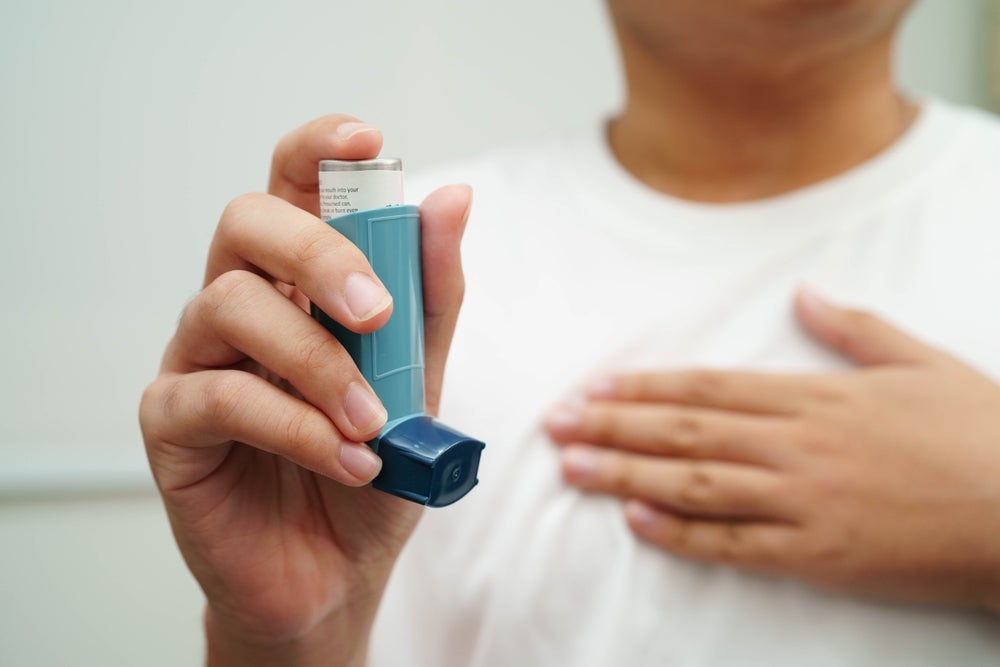
Industry partnership will determine the success of the transition to low-GWP pMDIs
With regulatory conditions tightening around climate impact and environmental persistence of medical propellants, HFA-152a is a practical route to maintain clinical performance, patient outcomes and supply continuity of inhalers. However, the success of the transition to new propellants will hinge on partnerships that provide technical expertise alongside regulatory support.

MHRA investigation leads to convictions in counterfeit baby feeding devices case
Medicina supplied devices bearing false CE markings to healthcare providers including National Health Service (NHS) Trusts across the UK.

NHS Confed 2026: what drives successful AI implementation in the NHS?
Coherent leadership and careful implementation of AI in the NHS were key talking points at the 2026 NHS Confed Expo.

FDA and MHRA forge new regulatory collaboration initiative
The new initiative is intended to improve the global oversight of medical devices, AI, and innovative medicines and to streamline knowledge sharing efforts.

Industry calls for substantial reform to UK’s AI regulation in healthcare
Respondents to the MHRA’s survey highlighted that new AI healthcare regulation must do more to address privacy, safety, and transparency.

Women’s health apps: governance and transparency key to success as opportunities bloom
Experts say that prioritising data privacy and governance, while focusing on proactive regulatory interactions, can help developers make a success of their digital health apps.

Fast, Expert, Open: Lawrence Tallon’s vision for the MHRA
Lawrence Tallon on priorities as MHRA CEO, the evolution of UK medical device regulation and the agency’s future leadership.

Podcast: MHRA CEO Lawrence Tallon on the future of medical device regulation in the UK
Lawrence Tallon, CEO of the MHRA, discusses the agency's initiatives to advance the UK's regulatory protocols for medical devices.

MHRA secures $4.8m to expand AI medical device programme
AI Airlock is jointly run by the MHRA, DHSC, NHS AI Team, and Team AB, the consortium of UK Approved Bodies.

Neurovalens receives EU MDR compliance for sleep insomnia device
Achieving MDR compliance shows Modius Sleep meets safety, clinical, and quality standards required for entry into the EU market.
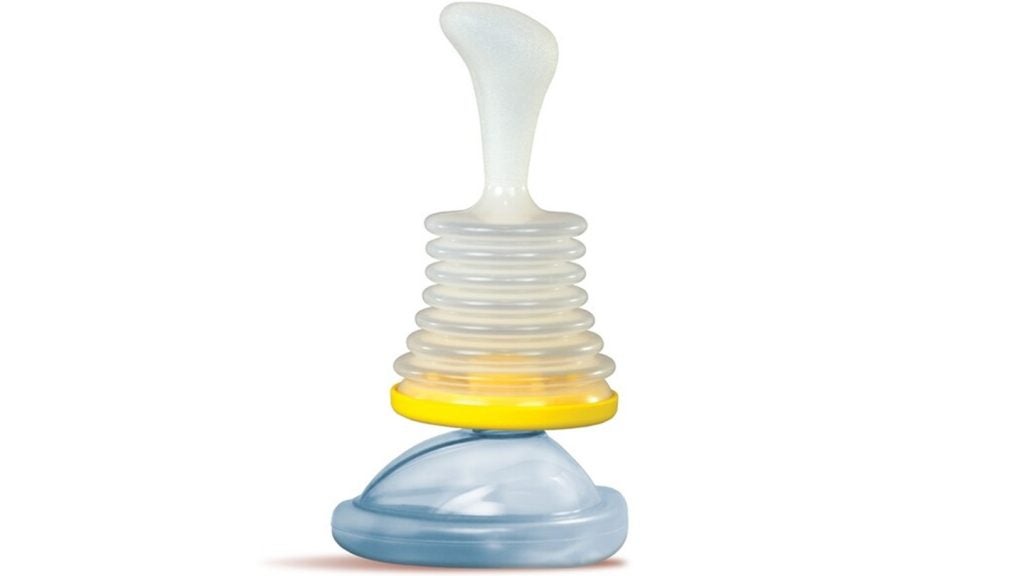
LifeVac receives FDA De Novo classification for anti-choking device
LifeVac is approved for use as a single-use, non-powered, non-invasive airway clearance device.